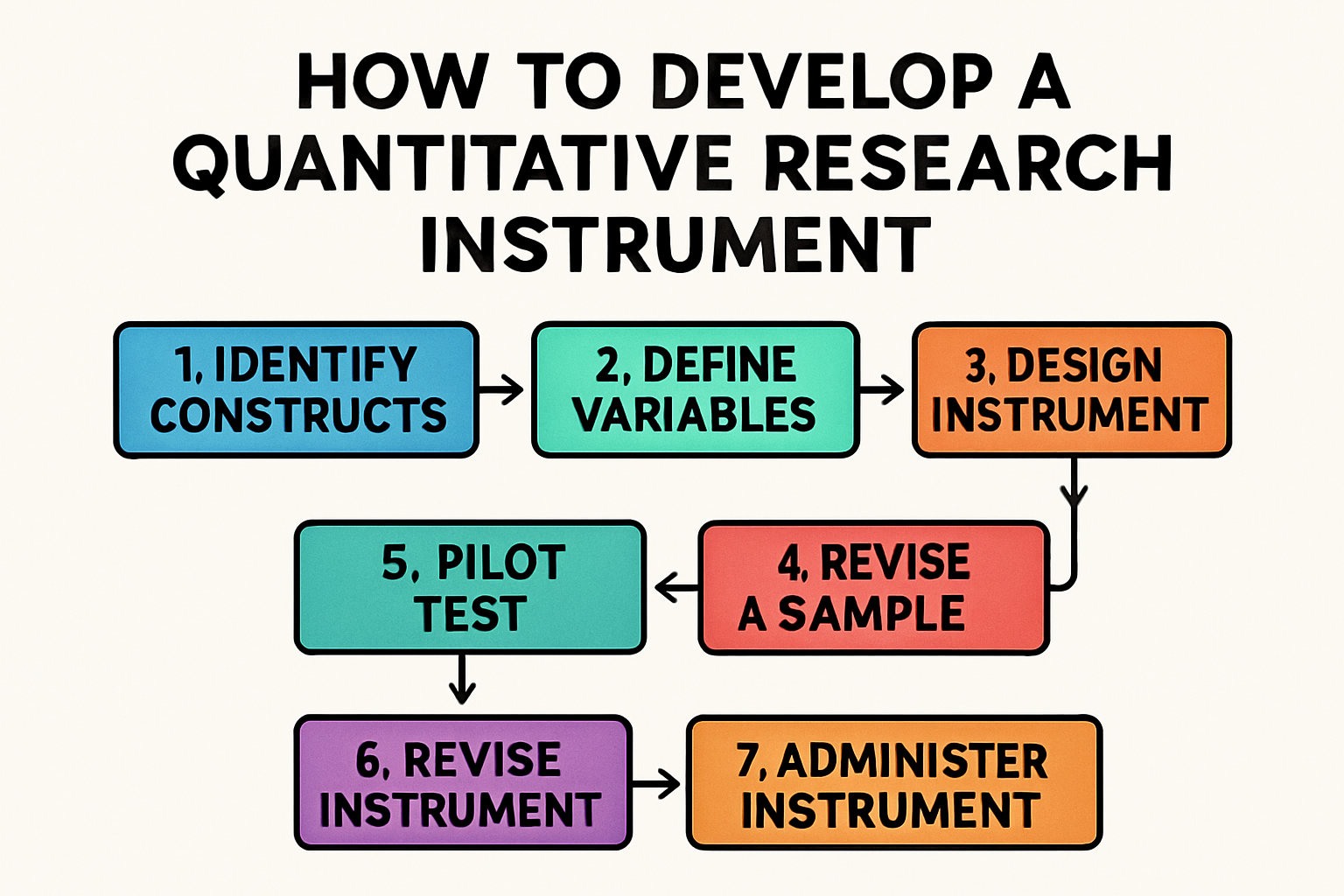
How to Develop a Research Instrument: An Eight-Step Process 1. Select a TopicBegin with a clear understanding of what you want to study. Your topic should be focused enough to be manageable but broad enough to be meaningful. 2. Formulate a Thesis StatementDevelop a preliminary statement about what you expect to find or the relationship… Lees meer: Building your Research Instrument 2
Introduction In data analysis, especially within the social and media sciences, researchers often confront datasets composed of variables that operate on entirely different scales. Audience reach may be expressed in millions of viewers, engagement rates in percentages, and emotional responses in numerical ratings from survey scales. Comparing or combining such variables without a common frame… Lees meer: Understanding the Power of Z-Scores in Data Analysis: Why Standardization Matters in Media Research
📺 Correlation and Causation in Media Studies When studying media, we often hear claims like: What “correlation” means in media research In media studies, correlation refers to a measurable relationship between two variables. For example: A correlation means these things move together — not that one makes the other happen. In practice, we often visualize… Lees meer: Is Correlation the same as Causation?
The European Union (EU) audiovisual sector is characterized by a persistent duality: fragmentation and consolidation. Fragmentation arises from linguistic diversity, national regulations, and territorially segmented rights markets, while consolidation is driven by mergers, joint ventures, and cross-border alliances aiming to achieve economies of scale in the face of global competition. This article provides a structured analysis of the dynamics shaping broadcasting and streaming in the EU, focusing on regulatory frameworks (Audiovisual Media Services Directive, Digital Services Act, Digital Markets Act, European Media Freedom Act), market behaviors (rights acquisition, joint ventures, mergers and acquisitions), and the resilience of national broadcasting traditions
1. How has streaming affected the revenue models of traditional television broadcasters? 2. What are the key factors influencing audience migration from broadcast TV to streaming services? 3. How do younger audiences (16–34) engage with YouTube compared to traditional television? 4. What strategies are traditional TV production companies adopting to compete with digital content creators?… Lees meer: Ten Questions on Broadcast Disruption
The analysis of television viewing trends highlights the profound impact of streaming services on traditional TV consumption. According to Ofcom’s data, the main Public Service Broadcasting (PSB) channels in the UK have experienced a significant decline in their market share, from 100% in 1988 to approximately 51% in 2017. A parallel trend is evident in… Lees meer: Disruption of the TV industry
By 2030, AI video tools achieve photorealism and temporal coherence, enabling synthetic actors and environments indistinguishable from live-action footage. Consumers enthusiastically adopt AI-generated content for genres like horror, sci-fi, and personalized interactive media, drawn by hyper-customized narratives that adapt to individual preferences in real time (Lee & Kim, 2024). Studios leverage these tools to slash production costs by 60–80%, replacing traditional workflows with AI “directors” capable of generating entire scenes from text prompts (Gartner, 2024).
Generative AI (GenAI) has the potential to revolutionize video content creation by drastically reducing production costs and making filmmaking more accessible. However, challenges like realism, audiovisual synchronization, and creative control still hinder AI from matching traditional productions. Scenario planning suggests various futures for AI in video, from niche uses to full industry transformation, though human creativity remains essential. Legal and ethical concerns, such as intellectual property and labor rights, will also shape the future of AI-generated content. While AI won’t replace human artistry, it will likely transform how creativity is expressed
Impact on Broadcasting and Streaming PlatformsThe Evolution of Sports Media Rights: Impact on Broadcasting and Streaming Platforms Introduction The sports media landscape is undergoing a significant transformation. Once dominated by traditional broadcast television, the industry is now heavily influenced by the rise of streaming platforms. These services, recognizing the power of live sports in attracting… Lees meer: The Evolution of Sports Media Rights:
Introduction The landscape of media consumption has transformed drastically over the past decade, shifting from traditional linear broadcasting to digital streaming platforms. Among the key players in this transformation are ZDF Studios and YouTube, two distinct yet influential entities in the digital content ecosystem. ZDF Studios is the commercial arm of Germany’s largest public-service broadcaster,… Lees meer: ZDF in the Age of Digital Streaming:
Laddering Theory, Method, Analysis, and Interpretation by Thomas J. Reynolds and Jonathan Gutman is a foundational framework in qualitative research, particularly within consumer behavior studies. Below is an overview of the key aspects of this theory and methodology: Overview of Laddering Theory Laddering is a qualitative research technique designed to uncover the deeper motivations, values,… Lees meer: Overview of Laddering Theory
Sawtooth Software, 2021 Introduction to conjoint analysis Conjoint analysis is the premier approach for optimizing product features and pricing. It mimics the trade-offs people make in the real world when making choices. In conjoint analysis surveys you offer your respondents multiple alternatives with differing features and ask which they would choose. With the resulting data,… Lees meer: What is conjoint analysis?
To measure loss aversion among consumers in marketing, you can use the following approaches: 1. **Behavioral Experiments**: Design experiments where participants choose between options framed as potential losses or gains. For example, test whether consumers are more likely to act when told they could “lose $10” versus “gain $10” for the same decision[2][6]. 2. **A/B… Lees meer: How to Measure Loss Aversion
Loss aversion, a cornerstone of behavioral economics, profoundly impacts consumer decision-making in marketing. It describes the tendency for individuals to feel the pain of a loss more strongly than the pleasure of an equivalent gain (Peng, 2025), (Frank, NaN), (Mrkva, 2019). This psychological principle, far from being a niche concept, permeates various aspects of consumer… Lees meer: Loss Aversion in Marketing:
Ten research suggestions building upon the existing literature on loss aversion’s impact on marketing and commercial strategies. The preceding analysis highlighted the significant influence of loss aversion on consumer behavior, shaping decisions across various marketing aspects, from advertising and pricing to product design and customer loyalty. These suggestions aim to address gaps in current understanding and offer avenues for future investigation, focusing on both theoretical advancements and practical applications. The existing literature provides a strong foundation, but several areas require further exploration to fully understand the nuances and implications of loss aversion in marketing
Loss aversion, the psychological principle that the pain of a loss is felt more strongly than the pleasure of an equivalent gain (Guttman, 2021), (Schulreich, 2020), profoundly impacts consumer decision-making. This disproportionate weighting of losses over gains significantly shapes how consumers perceive value, make choices, and respond to marketing messages
Channel 4’s approach to YouTube demonstrates that traditional broadcasters can successfully adapt to the changing media landscape. By embracing data-driven decision-making, tailoring content to platform-specific audiences, and maintaining a flexible strategy, broadcasters can turn potential threats into opportunities for growth and audience engagement.As the lines between traditional and digital media continue to blur, the experiences of early adopters like Channel 4 will be invaluable in shaping the future of broadcasting. The key lies in viewing platforms like YouTube not as competitors, but as complementary channels that can enhance a broadcaster’s overall reach and relevance in an increasingly fragmented media ecosystem.