

The Importance of Research Instruments
Research instruments serve a critical function across all types of research methods. They are the primary means by which researchers collect reliable data that will later be analyzed. As noted by scholars in the field, these instruments are essential for maintaining the integrity and credibility of research findings.
The choice and design of your research instrument directly impact the quality of data you collect. Poor instrument design can lead to biased results, misunderstood questions, low response rates, or data that doesn’t actually address your research questions. Conversely, a well-designed instrument facilitates smooth data collection and produces information that genuinely advances understanding in your field.
Real-World Application: A Social Media Research Example
To illustrate how research instruments work in practice, consider a recent field experiment examining toxic content on social media platforms. Researchers studied 742 users over six weeks across Facebook, X (formerly Twitter), and YouTube to understand how toxic content affects user engagement.
The research revealed a paradox: less toxic content actually led to lower engagement rates. Users switched to other platforms when exposed to less toxic content, and overall, posts became less toxic during the study period. This finding highlights an important conflict that platforms face between maximizing profits through engagement and promoting user wellbeing.
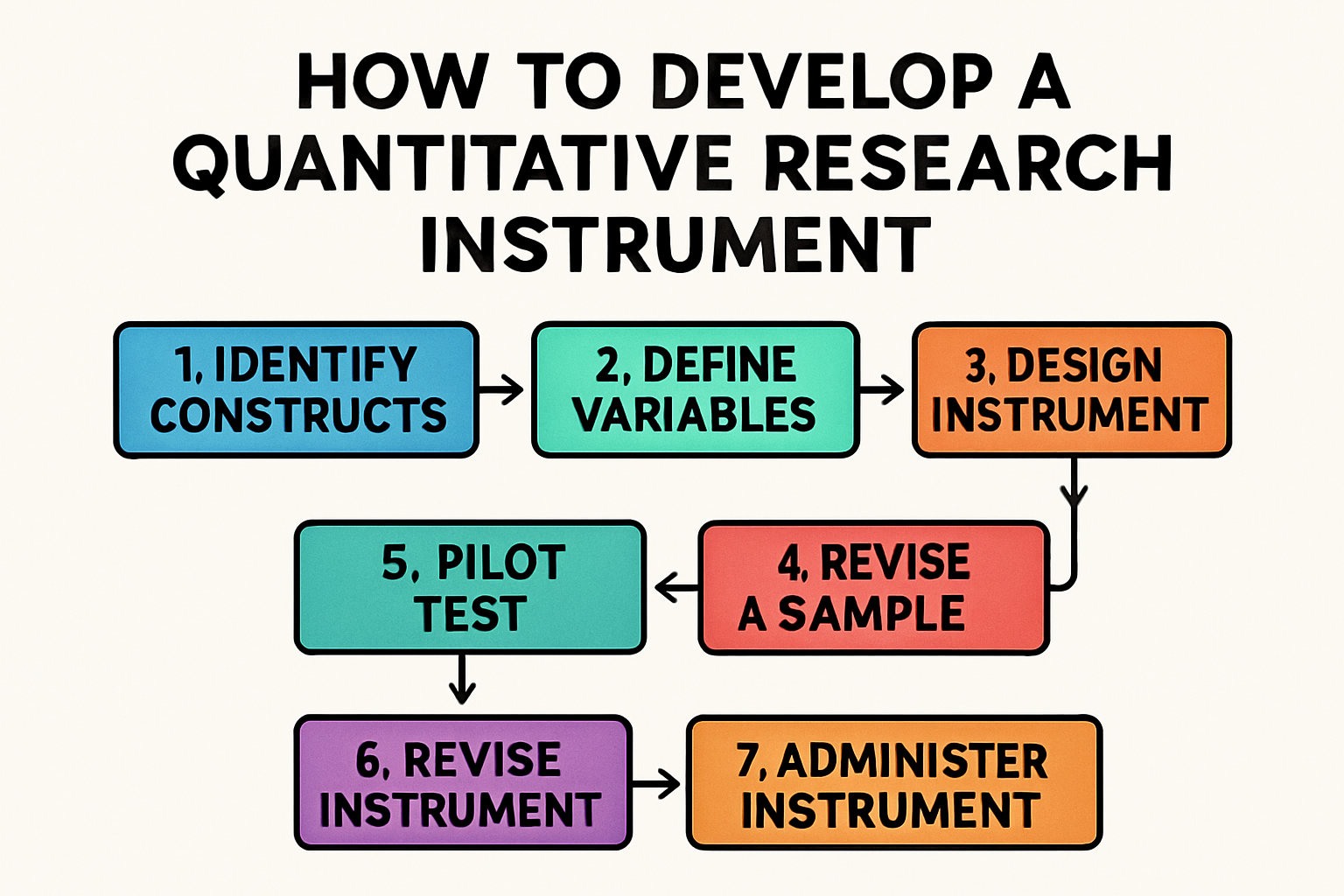
This study demonstrates several key principles of good instrument design. The researchers needed instruments that could accurately measure “toxicity” in content, track user engagement across multiple metrics, and account for variables like platform differences and time spent on site. Their instrument design had to operationalize abstract concepts (like “toxic content”) into measurable variables while maintaining validity across different social media environments.