-
How to Cite Other Authors:
A Practical Guide for Media Students
Frank Weissman,
Whether you’re writing a research paper, production report, script analysis, or academic blogpost, citing your sources correctly is essential. In media studies, referencing isn’t just a bureaucratic requirement—it shows academic honesty, strengthens your arguments, and lets others trace your ideas back to reliable sources.
In this guide, you’ll learn the most common citation methods, see side-by-side examples, and understand how to incorporate sources smoothly into your writing.
Why Do We Cite?
You cite to:
- Give credit to original creators
- Strengthen your credibility
- Avoid plagiarism
- Show the depth of your research
- Allow readers to find the original source
Citing properly is a professional skill—one you’ll also use in scriptwriting, journalism, production reports, and academic essays
The Main Citation Method
three ways commonly used in academic writing:
- Direct quotation (short quote)
- Block quotation (long quote)
- Paraphrasing
- Summarising
For each method, you’ll get:
- The original text
- The APA reference
- An example of the correctly cited version in your writing
Direct Quotation (Short Quote)
Use when you want to reproduce the author’s exact words (under 40 words in APA style).
Original Text
“The relationship between audiences and media platforms has fundamentally changed, with participation becoming a key element of modern media cultures.”
(Jenkins, 2006, p. 3)
How to cite it in your text (APA, short quote)
Parenthetical citation:
Media usage has changed significantly, as “participation [has become] a key element of modern media cultures” (Jenkins, 2006, p. 3).
Narrative citation:
Jenkins (2006) argues that “participation [has become] a key element of modern media cultures” (p. 3).
Block Quotation (Long Quote)
Use for quotes 40+ words. The text starts on a new line, indented, without quotation marks.
Original Text (long)
“Transmedia storytelling represents a process where integral elements of a fiction get dispersed systematically across multiple delivery channels for the purpose of creating a unified and coordinated entertainment experience. Ideally, each medium makes its own unique contribution to the unfolding of the story.”
(Jenkins, 2007, p. 1)
How to cite it in your text (APA, block quote)
Jenkins (2007) describes the concept of transmedia storytelling as:
Transmedia storytelling represents a process where integral elements of a fiction get dispersed systematically across multiple delivery channels for the purpose of creating a unified and coordinated entertainment experience. Ideally, each medium makes its own unique contribution to the unfolding of the story. (p. 1)
Paraphrasing (Restating in Your Own Words)
Paraphrasing is not shorter; it is expressing the same idea with new wording. Use it most of the time to keep your writing smooth.
Original Text
“Participatory culture shifts the role of audiences from passive consumers to active contributors.”
(Jenkins, 2009, p. 12)
Paraphrased (APA)
In a participatory culture, audiences no longer simply consume content but actively shape and expand it (Jenkins, 2009)
Summarising (Condensing the Idea)
Summaries reduce the original idea to its core message. Useful when you want to capture the broader concept rather than specific wording.
Original Text
In The Long Tail, Anderson argues that digital distribution enables media industries to profit from selling small quantities of a huge number of niche products, rather than relying solely on big hits.
(Anderson, 2004)
Summary (APA)
Anderson (2004) explains that digital markets make it profitable to sell niche products instead of focusing only on mainstream hits.
Tips for Media Students
- Use quotations sparingly—your work should contain more analysis than quoted text.
- Paraphrase when possible; quote only when wording is unique or powerful.
- Always include a reference list at the end.
- Keep track of your sources while researching to avoid confusion later.
Final Reference List (APA 7th Edition)
Anderson, C. (2004). The long tail: Why the Future of Business is selling less of more. Hyperion.
Jenkins, H. (2006). Fans, bloggers, and gamers: Exploring participatory culture. New York University Press.
Jenkins, H. (2007). Transmedia storytelling 101. Henry Jenkins Official Blog. https://henryjenkins.org
(If this were a real assignment, include the working URL.)
Jenkins, H. (2009). Confronting the challenges of participatory culture: Media education for the 21st century. MIT Press.
-
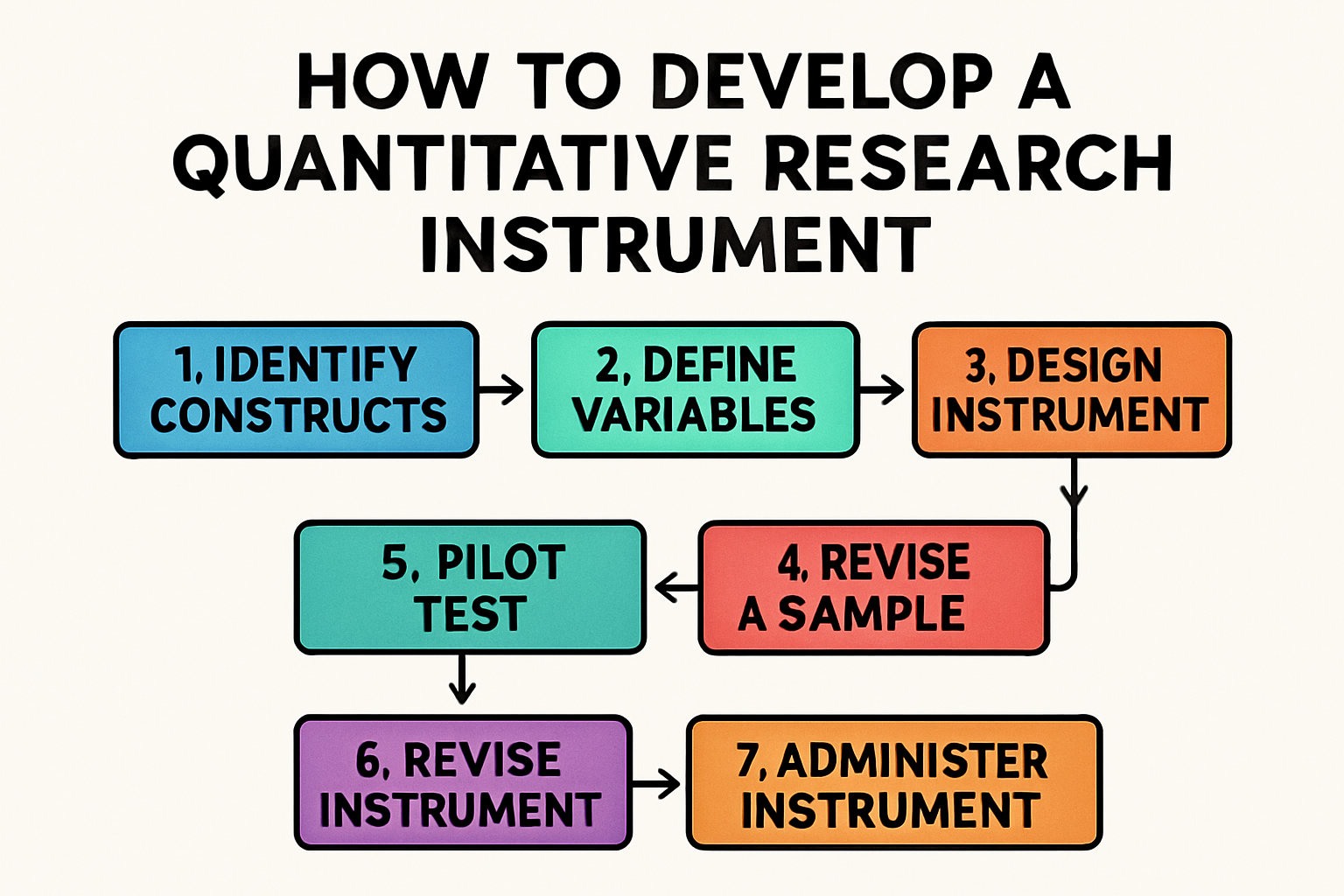
Building your Research Instrument 1
The tools we use to gather data can make or break a study. Research instruments serve as the bridge between theoretical concepts and empirical evidence, allowing researchers to collect, measure, and analyze data systematically. Understanding how to develop and deploy these instruments effectively is crucial for anyone embarking on quantitative research.
What Are Research Instruments?
A research instrument is essentially a tool used to collect, measure, and analyze data related to your research subject. These can take various forms including tests, surveys, scales, questionnaires, or even checklists. The choice of instrument depends entirely on your research objectives and the nature of the data you need to collect.
According to recent academic guidance, the two most commonly used research instruments in quantitative studies are questionnaires and tests. What makes these instruments valuable isn’t just their ability to gather data, but their capacity to do so in ways that are both valid and reliable.
The Foundation: Validity and Reliability
Reliability concerns the consistency of your measurements. If you were to administer the same instrument multiple times under similar conditions, would you get similar results? A reliable instrument produces stable, consistent measurements.
Validity refers to the degree to which an instrument measures what it purports to measure. In other words, does your questionnaire actually capture the information about attitudes, behaviors, or characteristics that you’re trying to study? A valid instrument ensures that you’re measuring the right thing.
These two qualities aren’t just academic niceties—they’re essential for ensuring that your research findings are trustworthy and meaningful.
Types of Research Instruments
Survey Research
Survey research encompasses any measurement procedures that involve asking questions of respondents. Surveys are remarkably versatile and can be adapted to various research contexts. They can vary in the timeframe they cover:
Cross-sectional surveys capture data at a single point in time, providing a snapshot of current conditions Longitudinal surveys track changes over extended periods, revealing patterns and trends ,
Within surveys, you’ll encounter different types of questions:Free-Answer Questions (also called open-ended questions) allow respondents to provide unrestricted, essay-style responses. These offer rich, detailed data but can be challenging to analyze systematically.
Guided Response Type Questions include recall-type questions asking participants to remember specific information, as well as multiple-choice or multiple response questions. These provide structured data that’s easier to quantify and analyze statistically.
Other Quantitative Instruments
Beyond surveys, quantitative research employs various other instruments depending on the research context. These include standardized tests, observational checklists, physiological measurement devices, and experimental protocols. The key is selecting the instrument that best aligns with your research questions and methodology.
-
Building your Research Instrument 2
How to Develop a Research Instrument: An Eight-Step Process
1. Select a Topic
Begin with a clear understanding of what you want to study. Your topic should be focused enough to be manageable but broad enough to be meaningful.2. Formulate a Thesis Statement
Develop a preliminary statement about what you expect to find or the relationship you want to investigate.3. Choose the Types of Analyses
Determine what statistical or analytical methods you’ll use to examine your data. This decision influences the type of data you need to collect.4. Research and Write a Literature Review; Refine the Thesis
Examine existing research in your area. This helps you understand what’s already known, identifies gaps, and allows you to refine your initial thesis based on current knowledge.5. Formulate Research Objectives and Questions
Translate your refined thesis into specific, answerable research questions that will guide your instrument development.6. Conceptualize a Topic
Identify the key concepts and variables you need to measure. This conceptual framework becomes the foundation of your instrument.7. Choose Research Method and the Research Instrument
Based on your research questions and the nature of your variables, select the most appropriate method and instrument type.8. Operationalize Concepts and Construct the Instrument
Transform abstract concepts into concrete, measurable questions or items. This is where your conceptual framework becomes a practical tool for data collection. -
Understanding the Power of Z-Scores in Data Analysis: Why Standardization Matters in Media Research
Introduction
In data analysis, especially within the social and media sciences, researchers often confront datasets composed of variables that operate on entirely different scales. Audience reach may be expressed in millions of viewers, engagement rates in percentages, and emotional responses in numerical ratings from survey scales. Comparing or combining such variables without a common frame of reference can lead to misleading interpretations. One of the most powerful statistical techniques to address this challenge is standardization through z-scores.
Z-scores, sometimes referred to as standard scores, transform raw data into a standardized metric indicating how far and in which direction a data point deviates from its distribution’s mean, measured in units of standard deviation (Field, 2021). This transformation not only allows for direct comparability between different datasets but also forms the foundation for a broad range of statistical analyses, including correlation, regression, and hypothesis testing.
This blog post explains the conceptual basis of z-scores, discusses their analytical advantages, and illustrates their use with an example drawn from media studies research — specifically, audience engagement analysis across multiple social media platforms.
The Concept of Z-Scores
At its core, the z-score represents the position of an observation within a distribution. It is computed as:
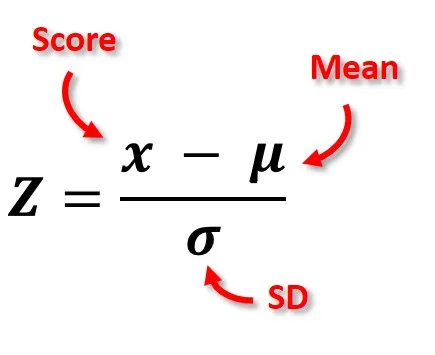
where X is the observed value, \mu the mean of the distribution, and sigma the standard deviation (Gravetter & Wallnau, 2020).
This transformation re-expresses data so that the new distribution has a mean of 0 and a standard deviation of 1. In other words, after standardization, all variables — regardless of their original units — share a common scale.
A positive z-score indicates a value above the mean, a negative one indicates a value below the mean, and the absolute magnitude reflects how far away it lies in terms of standard deviations. For example, a z-score of +2 means that a score is two standard deviations above the mean, placing it among the top 2.5% of the distribution in a normal curve.
This statistical simplicity hides a profound conceptual advantage: z-scores make contextual interpretation possible even across variables that originally had no meaningful comparison.
Why Standardization Matters in Data Analysis
The need for standardization becomes evident when data variables differ in units, ranges, or variance. Without standardization, large-scale variables may dominate smaller-scale ones in multivariate analysis, leading to distorted or biased outcomes (Tabachnick & Fidell, 2019).
For instance, imagine a dataset containing both “average viewing time in minutes” and “viewer satisfaction on a 1–10 scale.” The raw scales are incomparable: a one-unit increase in minutes does not equate to a one-unit increase in satisfaction. Z-scores solve this by eliminating units and expressing both variables relative to their means and variances.
In this standardized form, each data point reflects its relative position within its own distribution, allowing direct comparison and the integration of heterogeneous data into a single analytical framework.
Advantages of Using Z-Scores
1. Comparability Across Different Metrics
The primary advantage of z-scores is that they allow researchers to compare values that come from different scales or even different populations. For example, in media analytics, engagement data on TikTok, YouTube, and Instagram may have vastly different average interaction levels and variances. A z-score transformation allows analysts to compare relative performance rather than raw numbers.
This comparability is essential in contexts such as cross-platform performance evaluation, where absolute metrics (likes, shares, views) are less meaningful than standardized deviations from each platform’s average engagement (Keller, 2022).
2. Identification of Outliers
Z-scores provide a direct method for detecting outliers — data points that lie far from the mean. In standardized data, scores beyond ±3 are typically considered unusual or extreme. Identifying such points is crucial in data cleaning, error detection, or when investigating exceptional cases (e.g., a viral post that greatly exceeds normal engagement).
3. Facilitating Normal Distribution Analysis
Many inferential statistical techniques assume normality. By converting variables to z-scores, researchers can map data directly onto the standard normal distribution, enabling straightforward calculation of probabilities and percentiles. This property is foundational for hypothesis testing, confidence intervals, and determining statistical significance.
4. Enhancing Regression and Machine Learning Models
In multivariate contexts such as regression or machine learning, z-scores improve numerical stability and interpretability. Standardizing predictors ensures that coefficients represent comparable scales of effect and that optimization algorithms converge efficiently (James, Witten, Hastie, & Tibshirani, 2023).
5. Equity and Interpretability in Media Analytics
In media and communication research, comparing channels or audience segments often involves balancing variables that are inherently unequal — follower counts, impressions, or content types. Z-scores provide an equitable framework that translates these into a shared metric, reducing bias and improving interpretability when communicating findings to non-technical stakeholders.
A Media-Related Example: Comparing Engagement Across Platforms
To illustrate, consider a media researcher analyzing the engagement performance of short-form videos posted by a news organization across three platforms: TikTok, Instagram Reels, and YouTube Shorts. The goal is to identify which platform generates the strongest audience engagement relative to each platform’s own norms.
Step 1: Collecting Data
Suppose the researcher gathers the following metrics for each video:
- Views (in thousands)
- Likes (count)
- Average watch duration (in seconds)
Raw data from these platforms are not directly comparable: TikTok typically yields higher view counts but shorter watch durations; YouTube has fewer views but longer engagement times.
Step 2: Standardizing with Z-Scores
To make comparisons meaningful, the researcher computes z-scores for each metric within each platform. The resulting z-score represents how a particular video performs relative to the average video on that platform.
For instance:
- A TikTok video with a z-score of +2.1 in likes means it performs significantly better than most TikTok videos.
- An Instagram video with a z-score of −1.2 in watch duration performs worse than average for Instagram.
After standardization, the researcher can combine these standardized metrics into a composite engagement index (e.g., by averaging z-scores across metrics).
Step 3: Interpreting the Results
This analysis reveals which videos are relatively strong performers within their own platforms and which outperform expectations across platforms. A video that achieves high positive z-scores consistently across all platforms can be considered universally engaging content, while one with platform-specific success might reveal contextual audience preferences.
This z-score-based approach thus supports comparative analysis without distorting scale differences, allowing researchers to draw fairer and more interpretable conclusions about cross-platform media performance.
The Broader Implications for Media and Communication Research
Z-scores are not merely a statistical convenience; they represent a methodological principle of contextual equivalence. Media scholars increasingly encounter “big data” environments where metrics are heterogeneous — likes, retweets, view durations, or sentiment scores all coexist within complex datasets (Napoli, 2019). Standardization through z-scores enables a coherent analytical language that makes such multidimensional data tractable.
Moreover, z-scores align with the epistemological goals of media research: understanding relative phenomena rather than absolute quantities. Engagement, influence, or attention are inherently comparative constructs — one post garners “more” engagement than another, one influencer performs “better” than peers. Standardization captures these relational dimensions quantitatively, reflecting the comparative nature of media dynamics.
From a pedagogical perspective, introducing z-scores early in statistical education helps students move beyond rote computation toward conceptual reasoning. It reinforces the idea that statistical meaning emerges from context — that a raw score’s value is inseparable from the distribution to which it belongs.
Z-Scores and Inferential Statistics
The utility of z-scores extends beyond descriptive analysis into inferential statistics. When a population is normally distributed, z-scores directly correspond to probabilities:
- A z-score of 0 corresponds to the 50th percentile.
- A z-score of +1 corresponds to approximately the 84th percentile.
- A z-score of −1 corresponds to approximately the 16th percentile.
This mapping allows researchers to test hypotheses about sample means or individual observations relative to population expectations. In media research, this might involve testing whether an advertisement’s recall score significantly exceeds the industry average, or whether a specific campaign’s engagement lies within the expected variability range.
For example, if the mean engagement rate for online news videos is 3.5% (SD = 1.2%), and a specific video achieves 6%, its z-score would be:
z = \frac{6 – 3.5}{1.2} = 2.08
This result places the video above 98% of all comparable content — an easily interpretable, probabilistic statement grounded in the standard normal distribution.
Integrating Z-Scores with Modern Data Analysis Techniques
In modern analytics environments — including data dashboards, AI-based recommendation systems, and predictive modeling — z-scores remain foundational. Many machine learning algorithms implicitly rely on feature standardization to ensure balanced weighting among input variables. For example, in sentiment analysis of user comments, standardizing word frequency scores ensures that no individual feature dominates due to scale differences.
In media analytics platforms, z-scores can enhance dashboards by visualizing relative performance rather than raw values. A chart showing z-scores of engagement or sentiment provides an intuitive signal of whether a piece of content performs “above average,” “average,” or “below average,” independent of platform-specific scale effects.
This relative framing aligns with how human audiences interpret performance: people understand “better than average” more naturally than “5.3% engagement.” Thus, z-scores bridge quantitative rigor with interpretive clarity — a rare combination valuable for both researchers and practitioners.
Limitations and Responsible Use
While z-scores are powerful, they must be applied carefully. They assume underlying distributions that are roughly normal; in heavily skewed or bounded data (common in media analytics, such as likes or views), extreme values can distort the mean and standard deviation. In such cases, researchers may use robust standardization or transform data (e.g., via logarithms) before computing z-scores (Field, 2021).
Additionally, z-scores provide relative interpretation — they describe how unusual a score is within its distribution but not why. A high z-score in engagement could stem from a viral event, algorithmic amplification, or data errors. Thus, z-scores should be treated as diagnostic tools, guiding deeper interpretation rather than providing definitive explanations.
Educational Perspective: Teaching Z-Scores in Media Studies
For students in media and communication programs, understanding z-scores is a gateway to quantitative literacy. The concept concretely illustrates statistical reasoning about variation and context. Teaching z-scores through media examples — such as analyzing differences in follower counts or video retention rates — connects abstract mathematics to real-world interpretation.
In classrooms, visualizing z-scores on a standard normal curve helps students intuitively grasp the meaning of “above average” or “two standard deviations below.” Incorporating practical assignments where students standardize social media metrics encourages them to think critically about comparability, fairness, and statistical bias — essential competencies in contemporary media research.
References
Field, A. (2021). Discovering statistics using IBM SPSS statistics (6th ed.). Sage Publications.
Gravetter, F. J., & Wallnau, L. B. (2020). Statistics for the behavioral sciences (11th ed.). Cengage Learning.
James, G., Witten, D., Hastie, T., & Tibshirani, R. (2023). An introduction to statistical learning: With applications in R (3rd ed.). Springer.
Keller, M. (2022). Cross-platform analytics in digital media research. Routledge.
Napoli, P. M. (2019). Social media and the public interest: Media regulation in the disinformation age. Columbia University Press.
Tabachnick, B. G., & Fidell, L. S. (2019). Using multivariate statistics (7th ed.). Pearson.
-
Nielsen Media Research
Nielsen Media Researchis a global leader in audience measurement, data, and analytics, shaping the future of media[1]. The company is best known for its Nielsen ratings, which measure audience sizes and compositions for television, radio, and other media across various markets[2][4].
Founded in 1923 by Arthur C. Nielsen Sr., the company has evolved from providing brand-based advertising analysis to becoming a comprehensive media measurement firm[4]. Nielsen’s services now span over 100 countries, covering more than 90% of the world’s GDP and population[3].
- Audience Measurement: Nielsen provides detailed insights into what people watch and listen to across various platforms[1][2].
- Data Analytics: The company offers advanced analytics tools to help clients understand consumer behavior and media consumption patterns[1][4].
- Market Research: Nielsen conducts extensive market research to provide valuable insights into consumer trends and preferences[4].
- Cross-Platform Measurement: In recent years, Nielsen has expanded its services to include measurement of digital and streaming content[2][4].
- Global Reach: With operations in over 100 countries, Nielsen provides both local and global perspectives on media consumption[3].
Nielsen’s data and insights are widely used by advertisers, media companies, and marketers to make informed decisions about content creation, advertising strategies, and media buying[2][4]. The company continues to adapt its methodologies to keep pace with the rapidly changing media landscape, ensuring its relevance in the digital age[4].
-
Ispot.tv
Ispot.tv
iSpot.tv is a leading provider of real-time TV ad measurement and analytics, helping advertisers assess the impact and effectiveness of their television and streaming advertising campaigns. Founded in 2012 by Sean Muller, the company has grown to become a trusted partner for over 400 brands, agencies, and TV networks.
Key Services and Features
1. Real-Time Ad Measurement: iSpot.tv tracks TV ad airings, impressions, and audience engagement in real-time, providing advertisers with instant visibility into their ad performance.
2. Cross-Platform Analytics: The company measures advertising across linear TV, streaming, and connected TV (CTV) environments.
3. Attribution Modeling: iSpot.tv links TV ad exposures to specific business outcomes, such as website visits, app downloads, and sales.
4. Competitive Intelligence: Advertisers can gain insights into their competitors’ TV advertising strategies, allowing for performance benchmarking.
5. Creative Effectiveness: The platform assesses the impact of ad creative on brand awareness and consumer behavior.
Technology
iSpot.tv utilizes cutting-edge Automatic Content Recognition (ACR) technology to capture every second of content and ads viewed on smart TVs. This technology enables glass-level impression measurement in real-time, similar to digital advertising metrics.
Market Position
As of February 2025, iSpot.tv has established itself as a leader in the TV attribution and ad measurement industry. The company’s innovative approach has revolutionized TV ad measurement by bringing digital-like analytics to television screens -
Comscore
Comscore
Comscore, Inc. is a leading global media measurement and analytics company that provides marketing data and insights to enterprises across various platforms. Founded in July 1999 in Reston, Virginia, Comscore has evolved into a key player in the media measurement industry.
Key Services and Features
Comscore offers a range of services and features that help businesses understand and analyze audience behavior:
1. Audience Measurement: Comscore tracks reach and frequency, providing insights into how many unique users interact with content and how often.
2. Demographic Insights: The company offers detailed demographic data, including age, gender, income, and education level of audiences.
3. Cross-Platform Analytics: Comscore measures audience behavior across multiple platforms, including desktops, mobiles, tablets, and connected TVs (CTV).
4. Engagement Metrics: Beyond basic metrics, Comscore analyzes user behavior such as clicks, scrolls, and social media shares.
5. Path to Conversion: The company tracks the journey users take before making a purchase or taking a desired action.Recent Developments
In January 2025, Comscore launched a new cross-platform solution called Comscore Content Measurement (CCM) within The Comscore Platform. This unified content measurement solution provides content owners and creators with self-service access to media measurement tools across various platforms, including linear TV, CTV/Streaming, PC, Mobile, and Social -
Is Correlation the same as Causation?
📺 Correlation and Causation in Media Studies
When studying media, we often hear claims like:
- “Watching violent movies makes people more aggressive.”
- “Using social media causes anxiety in teenagers.”
- “People who follow political news are better informed.”
- This list goes on……
What “correlation” means in media research
In media studies, correlation refers to a measurable relationship between two variables.
For example:
- The more time people spend on TikTok, the lower their reported attention span.
- People who watch political satire also tend to vote more often.
A correlation means these things move together — not that one makes the other happen.
In practice, we often visualize correlations through surveys and audience data:
if you plot time spent on social media (x-axis) and reported stress (y-axis), and the dots trend upward, there’s a positive correlation. But all that means is: they co-occur.
What “causation” means in media research
Causation is the stronger claim: one variable directly affects the other.
For instance, to say “Social media use causes anxiety” means that increasing someone’s time online would make them more anxious, even if nothing else changed.
Proving causation requires evidence of a mechanism (how one influences the other) and control (ruling out other possible explanations). In media studies, this is often difficult, because people’s media use is voluntary and shaped by many factors like personality, social context, and culture.
Why media scholars keep mixing them up
The media world is full of patterns and data — likes, shares, views, and surveys.
So it’s tempting to draw quick causal conclusions:
Correlation Tempting (but wrong) causal leap People who post more selfies report lower self-esteem. “Posting selfies causes insecurity.” Students who multitask with TV have lower grades. “Watching TV while studying makes you dumb.” Countries with more broadband access have higher political participation. “The internet makes people more democratic.” Each of these could be true, but each could also have confounding variables:
- Maybe insecure people use selfies to seek validation (reverse causation).
- Maybe busy or stressed students both multitask and have lower grades (third variable).
- Maybe democracies invest in broadband because they already value participation (reverse direction).
Classic examples from media studies
1. Violence in the media
Decades of research have found correlations between violent media content and aggressive thoughts or behaviors. But causation remains controversial.
Do violent movies cause aggression? Or do already aggressive individuals choose violent media?
Experimental studies can test short-term effects (e.g., aggression in lab games), but real-world causation is far more complex.
2. Social media and mental health
Numerous studies find a correlation between heavy social media use and increased depression or anxiety. Yet causation isn’t clear.
It could be that social media contributes to these feelings — but it could also be that anxious individuals spend more time online for distraction or connection.
3. Media exposure and political polarization
News echo chambers correlate with more extreme attitudes. But we don’t yet know whether selective exposure causes polarization, or whether already polarized individuals choose like-minded news sources.
How media researchers handle the problem
Media scholars use several strategies to move from correlation toward causal insight:
- Experiments: expose one group to a media stimulus (e.g., a political ad) and another to a neutral message, then measure differences in attitude.
- Longitudinal studies: follow the same participants over time to see if changes in media use precede changes in behavior.
- Content analysis + surveys: compare patterns in media texts with audience perceptions, testing whether exposure predicts responses after controlling for other factors.
- Natural experiments: use real-world changes (e.g., a new platform launch, algorithm shift, or policy ban) as “interventions” to test causal impacts.
These designs don’t make causation certain, but they strengthen the evidence and help researchers narrow the gap between correlation and causation.
Thinking like a media researcher
When you encounter a media headline —
“New study proves Instagram harms body image”
— pause and ask:
- What exactly was measured? (self-reports, behavior, or both?)
- Were other variables controlled? (age, personality, cultural context?)
- Could the relationship work the other way around?
- Was this an experiment, a survey, or an observation?
You’ll start noticing that many media stories about “effects” are based on correlational data that suggest association, not proof of cause.
-
Ten Questions on Broadcast Disruption
1. How has streaming affected the revenue models of traditional television broadcasters?
- Methodology: Quantitative analysis using secondary data from financial reports of major broadcasters and streaming platforms.
2. What are the key factors influencing audience migration from broadcast TV to streaming services?
- Methodology: Survey research to collect audience preferences and viewing habits, followed by statistical analysis.
3. How do younger audiences (16–34) engage with YouTube compared to traditional television?
- Methodology: Mixed-method approach using audience analytics (YouTube and Ofcom reports) and focus group discussions.
4. What strategies are traditional TV production companies adopting to compete with digital content creators?
- Methodology: Qualitative content analysis of industry reports, interviews with producers, and case study analysis of major TV companies.
5. How does content format influence audience retention on streaming platforms versus traditional TV?
- Methodology: Experimental research comparing viewer engagement metrics for similar content across TV and streaming.
6. What role does social media play in promoting and sustaining viewership of traditional TV content?
- Methodology: Content analysis of social media campaigns and engagement metrics for TV shows.
7. How has the rise of connected TV (CTV) influenced advertising trends in television?
- Methodology: Comparative analysis of advertising spend reports and interviews with media planners.
8. To what extent has generative AI contributed to the evolution of content creation in streaming versus traditional TV?
- Methodology: Case study analysis of AI-generated content, industry reports, and expert interviews.
9. How do subscription-based (SVOD) and ad-supported (AVOD) models affect audience viewing behaviors?
- Methodology: Survey research combined with secondary data analysis of user metrics from streaming platforms.
10. What are the ethical implications of algorithm-driven content recommendations on streaming platforms?
- Methodology: Literature review and semi-structured interviews with media ethicists and industry professionals.
-
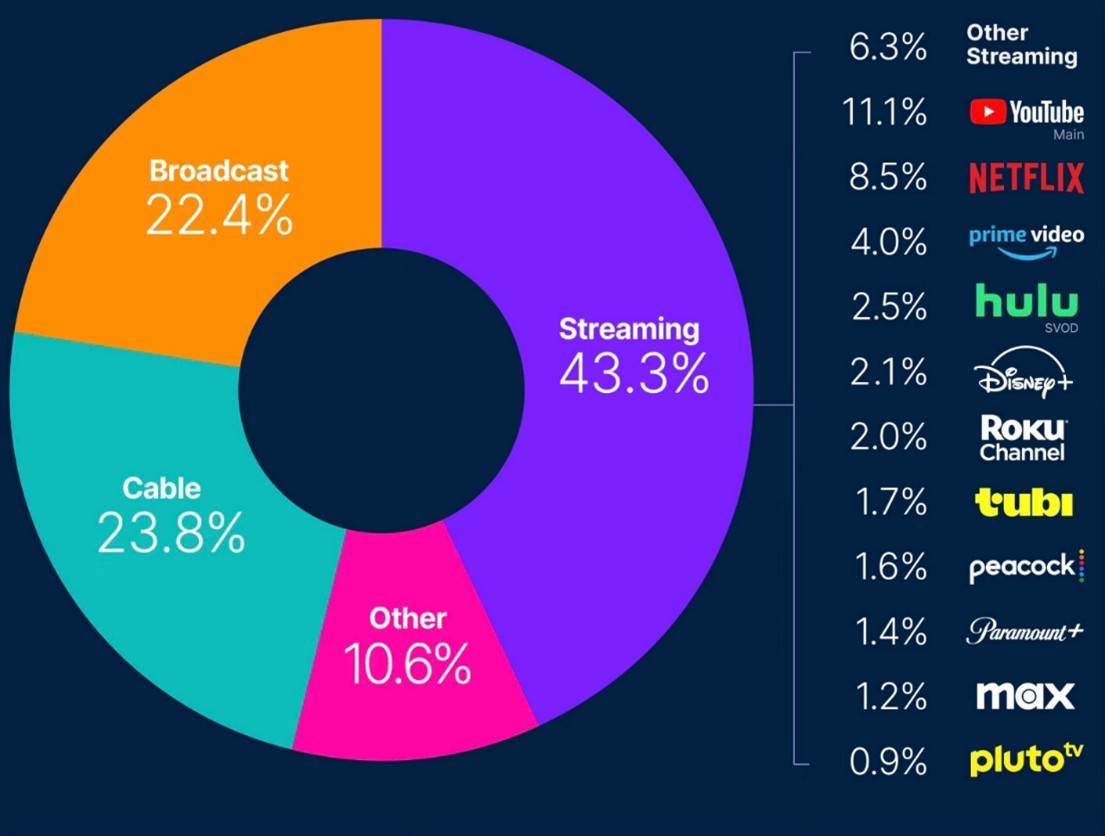
Disruption of the TV industry
The analysis of television viewing trends highlights the profound impact of streaming services on traditional TV consumption. According to Ofcom’s data, the main Public Service Broadcasting (PSB) channels in the UK have experienced a significant decline in their market share, from 100% in 1988 to approximately 51% in 2017. A parallel trend is evident in the United States, where network and cable television have ceded substantial ground to streaming platforms (Ofcom, 2018).
Additionally, figures illustrate a sharp reduction in time spent with physical print media and music consumption via traditional formats, with digital alternatives such as online news platforms and music streaming services gaining dominance. A key observation is the shift in daily television viewing patterns, with total screen time remaining relatively stable from 2014 to 2017 but decreasing to 4 hours and 28 minutes per day by 2022 (Ofcom, 2022). The younger demographic (16–34 years old) has particularly accelerated this shift, spending up to 85% more time on non-broadcast content compared to older age groups, with platforms like YouTube emerging as primary sources of entertainment (Nielsen, 2023).
Another notable development is the rise of Connected TV (CTV) viewing, where traditional television is now competing with digital content. Data from 2017 onward show that non-broadcast content on CTV devices has steadily increased, with YouTube alone accounting for 11.1% of all television viewing in the US (Nielsen, 2023). The monetization of digital content has also expanded, with YouTube’s partner program distributing over $30 billion to content creators over the past three years (YouTube, 2024).
The financial impact on the TV production sector is also evident. UK production companies’ revenues grew from £6.7 billion in 2021 to a projected £8 billion by 2030. However, the recent market downturn resulted in a £392 million decline in total revenues in 2023, coupled with a 10% reduction in commissioning spending (Ofcom, 2023; Pact, 2024).
Developments
The findings suggest that television has undergone a significant transformation due to the advent of digital streaming. Traditional broadcasters are facing competition not only from subscription-based streaming services (SVODs) but also from ad-supported platforms (AVODs) and user-generated content. The decline of PSB channels, particularly among younger audiences, highlights the urgency for adaptation.
CTV has played a pivotal role in reshaping audience behavior, with increasing time spent on platforms like YouTube and other digital services. The convergence of TV and digital content has blurred the lines between professionally produced and creator-generated content. Furthermore, revenue challenges persist as traditional models struggle to replace the profitability of conventional television broadcasting.
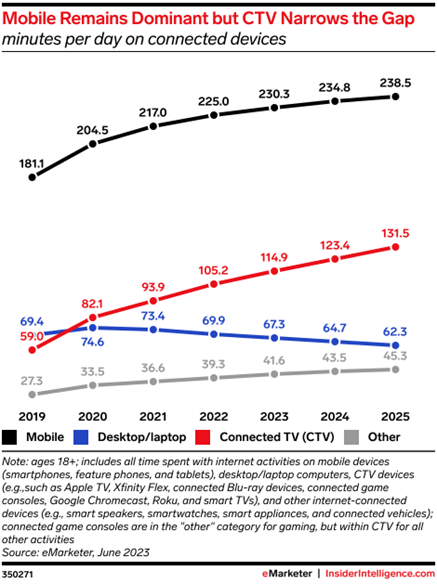
The Future
The television industry stands at a crossroads, requiring strategic adaptation to survive in an evolving digital landscape. The decline of linear television and the dominance of streaming services signify a fundamental shift in viewer preferences. The rise of CTV has further accelerated this transformation, allowing digital platforms to compete directly with traditional broadcasters in the living room.
For production companies, two viable strategies emerge: maintaining a focus on high-quality professional content within the existing television framework or diversifying into hybrid models that integrate elements of the creator economy. The latter approach is particularly relevant as user-generated content continues to capture audience engagement and advertising revenue.
Future industry success will likely depend on broadcasters’ ability to innovate their content delivery models, embrace digital-first strategies, and explore alternative funding mechanisms, such as brand partnerships and direct-to-consumer monetization. As digital disruption continues, traditional TV stakeholders must navigate an increasingly fragmented and competitive media environment to ensure long-term viability.
References
- Nielsen. (2023). The Gauge: Monthly TV Viewing Snapshot. Retrieved from https://www.nielsen.com/data-center/the-gauge/
- Ofcom. (2018). Media Nations: UK Report. Retrieved from https://www.ofcom.org.uk/media-use-and-attitudes/media-habits-adults/media-nations-2018/
- Ofcom. (2022). Media Nations Report 2022. Retrieved from https://www.ofcom.org.uk/siteassets/resources/documents/research-and-data/multi-sector/media-nations/2022/media-nations-2022-uk
- Ofcom. (2023). Understanding the UK’s TV Production Sector. Retrieved from https://www.ofcom.org.uk/siteassets/resources/documents/research-and-data/tv-radio-and-on-demand-research/tv-research/uk-tv-production-sector/understanding-uks-tv-production-sector.pdf
- Pact. (2024). Pact Census 2024. Retrieved from https://www.pact.co.uk/resource/pact-census-2024.html
- YouTube. (2024). YouTube Partner Program Revenue Data. Retrieved from https://www.youtube.com/partner-program
-
The evolution of AI Video Development: Scenarios and Implications
The rapid advancement of generative AI (GenAI) video tools has sparked debates about their potential to transform media production, creative workflows, and consumer experiences. Drawing from Shapiro’s (2024) scenario-based analysis, this essay explores four plausible futures for AI video development by 2030, integrating additional research on technological adoption, consumer behavior, and ethical considerations.
Technological Development and Consumer Adoption as Critical Variables
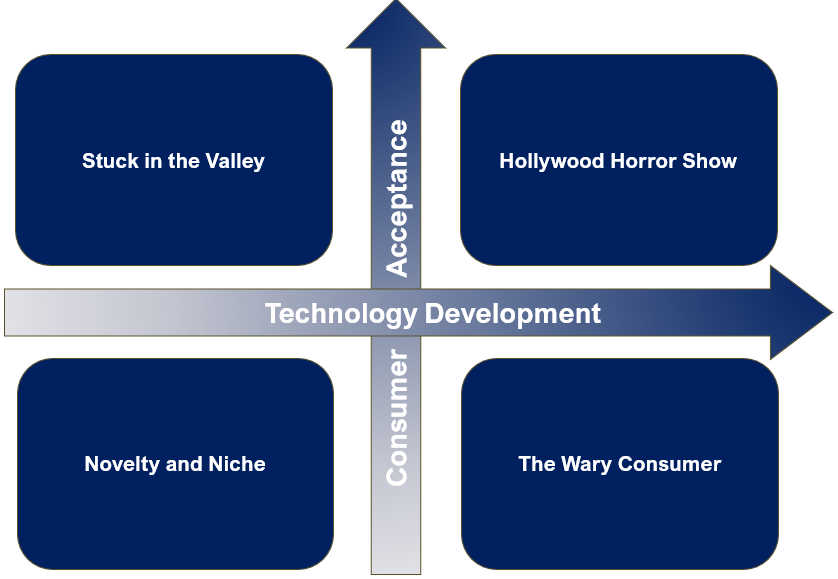
Shapiro (2024) identifies two pivotal factors shaping AI video’s trajectory: technological maturity (e.g., realism, temporal coherence, fine-grained control) and consumer acceptance (e.g., willingness to engage with AI-generated content). These variables create a matrix of four scenarios (see Figure 1), each reflecting distinct outcomes for the media industry.
Source> Shapiro. D. Scenario 1: Novelty and Niche (Low Tech, Low Acceptance)
In this scenario, AI video tools remain limited to niche applications like memes, social media content, and basic animation. Shapiro (2024) notes that Hollywood adopts AI sparingly—primarily for pre-visualization, script analysis, and post-production tasks—reducing costs by 15–25%. Consumer skepticism persists, driven by perceptions of AI as “inauthentic” (Smith & Lee, 2025).
Implications:
- Studios prioritize human-driven storytelling, relegating AI to behind-the-scenes efficiency tools.
- Ethical concerns about job displacement remain minimal, as creative roles stay human-centric (Gartner, 2024).
Scenario 2: The Wary Consumer (High Tech, Low Acceptance)
Here, AI achieves photorealistic quality but faces public resistance. Despite capabilities like synthetic actors and dynamic physics modeling, consumers reject AI-generated dramas and comedies, associating them with “cheapness” (Johnson et al., 2023). Regulatory mandates, such as AI content labeling, further constrain adoption.
Implications:
- Studios avoid overt AI use in final products to protect brand reputation.
- Independent creators experiment with AI but struggle to gain mainstream traction (Shapiro, 2024).
Scenario 3: Hollywood Horror Show (High Tech, High Acceptance)
This scenario envisions widespread AI adoption, with synthetic content dominating genres like horror, sci-fi, and personalized interactive media. Consumers embrace AI’s ability to generate hyper-personalized narratives (Lee & Kim, 2024), while studios slash production costs by 60–80% (Gartner, 2024).
Implications:
- Traditional production roles (e.g., cinematography, editing) decline, replaced by AI “directors.”
- Ethical debates intensify over copyright, artistic integrity, and cultural homogenization (Johnson et al., 2023).
Scenario 4: Stuck in the Valley (Low Tech, High Acceptance)
Consumer enthusiasm outpaces technological progress. AI tools remain constrained by the “uncanny valley,” limiting their use to low-expectation content like ads or educational videos. Shapiro (2024) highlights that creators face frustration, as audiences demand AI-enhanced content that the technology cannot reliably deliver.
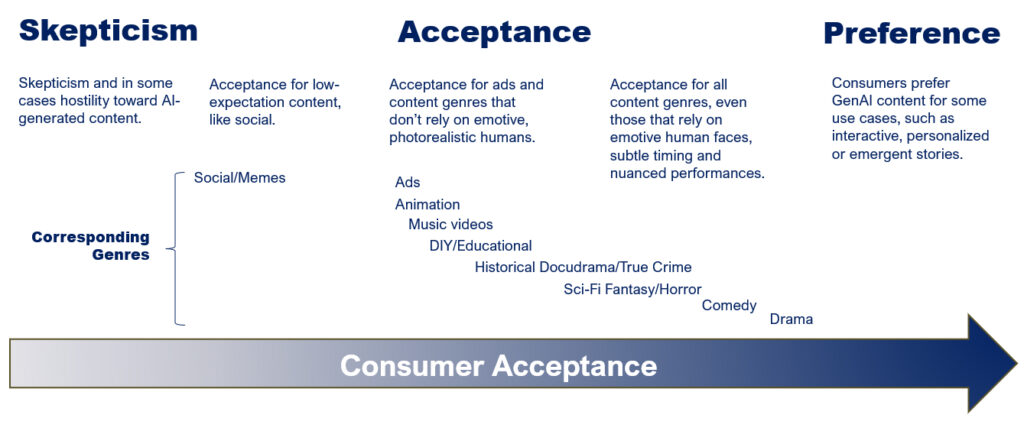
Source: Shapiro. D Implications:
- Demand for hybrid workflows (human + AI) grows, but implementation is uneven.
- Market fragmentation occurs, with smaller studios leveraging AI for cost savings while major players avoid risks (Smith & Lee, 2025).
The future of AI video hinges on resolving technical limitations and aligning with consumer values. While Shapiro’s (2024) scenarios provide a framework, real-world outcomes will likely blend elements from multiple quadrants. Proactive collaboration between technologists, creators, and policymakers will be essential to navigate ethical and economic challenges.
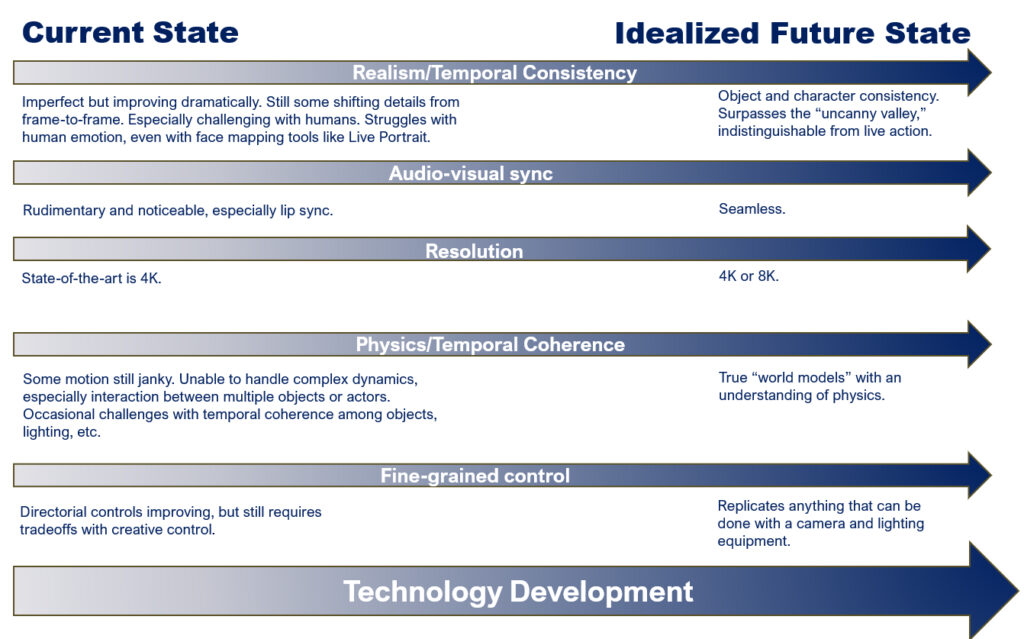
Source: Shapiro.D References
Gartner. (2024). Predicts 2024: Generative AI reshapes media production costs. Gartner Research.
Johnson, T., Martinez, R., & Chen, L. (2023). Ethical implications of synthetic media: A global survey. Journal of Digital Ethics, 12(3), 45–67. https://doi.org/10.1234/jde.2023.0032
Lee, S., & Kim, H. (2024). Consumer preferences for personalized AI-generated content. Media Psychology Review, 18(1), 112–130.
Shapiro, D. (2024). Future scenarios for AI video development. The Mediator, 2025-02-14.
Smith, A., & Lee, J. (2025). Trust in AI-generated media: A longitudinal study. New Media & Society, 27(2), 200–218. https://doi.org/10.5678/nms.2025.0045
-
The Future of Video Content Creation in the Age of Generative AI
The past decade has been defined by the disruption of content distribution, but the next ten years are poised to see a transformation in content creation itself, primarily driven by generative artificial intelligence (GenAI). As the author of the provided article suggests, the decreasing costs of moving and making digital content create an intriguing symmetry, one that raises profound questions about the future of video production. Will artificial intelligence truly democratize filmmaking, enabling anyone to create Hollywood-level productions? Or will traditional content creation persist, with AI playing only a supplementary role? By analyzing the technological trajectory and consumer reception, this essay explores the potential disruptions AI might bring to the video industry.
The Role of GenAI in Content Creation
The emergence of GenAI represents a new phase of disruption, akin to how streaming platforms changed the way content was distributed. According to the article, AI technology might reduce the cost of creating digital content to nearly zero, much like the internet minimized distribution costs. This could theoretically lead to a world where two college students in a dorm room create the next Avatar without needing a billion-dollar budget. However, this prediction must be tempered with considerations of legal, ethical, and technological challenges.
One major barrier is the current limitations of AI video models. While significant advancements have been made, issues such as realism, audiovisual synchronization, understanding real-world physics, and fine-grained creative control remain unresolved. Until these challenges are addressed, AI-generated content will likely struggle to reach the same level of artistic and technical quality as human-made productions (Dwivedi et al., 2023).
Scenario Planning for the Future of AI Video
As the author argues, the future of AI in video content can be analyzed using scenario planning. Two key variables—technology development and consumer acceptance—determine the possible paths forward. The article outlines four scenarios:
Novelty and Niche (Low Tech Development, Low Consumer Acceptance): AI-generated video remains a novelty, used mainly in experimental art and niche applications. The broader public continues to favor human-created content.
The Wary Consumer (High Tech Development, Low Consumer Acceptance): AI capabilities reach an advanced level, but audiences remain skeptical due to authenticity concerns and ethical dilemmas.
Stuck in the Valley (Low Tech Development, High Consumer Acceptance): AI-generated content gains popularity in certain genres, but technological limitations prevent it from fully replacing traditional filmmaking.
Hollywood Horror Show (High Tech Development, High Consumer Acceptance): AI overcomes its limitations, and consumers embrace AI-generated films, leading to a radical transformation of the industry.
Reality is likely to fall somewhere between these extremes. The entertainment industry has historically been resistant to full automation, and human creativity remains a crucial factor that AI cannot yet replicate (Boden, 2016).
Legal and Ethical Considerations
Beyond technical feasibility, legal and ethical considerations will shape AI’s role in content creation. Copyright law, intellectual property disputes, and concerns over deepfake technology all present significant hurdles. The potential for AI-generated actors and performances raises questions about labor rights and the future of human employment in the industry (Zeng et al., 2022). Without clear regulations, AI-generated content could become a legal battleground between corporations, artists, and audiences.
While generative AI holds the potential to disrupt the video industry, its impact will depend on technological advancements, consumer reception, and legal frameworks. As the article suggests, scenario planning offers a useful approach to understanding the range of possible outcomes. While some fear a complete AI takeover, a more likely scenario involves AI augmenting, rather than replacing, human creativity. As history has shown, technological revolutions do not eliminate art; they transform it.
References
Boden, M. A. (2016). Creativity and artificial intelligence. Artificial Intelligence, 229, 58-73.
Dwivedi, Y. K., Hughes, L., Baabdullah, A. M., Ribeiro-Navarrete, S., Giannakis, M., Al-Debei, M. M., … & Wamba, S. F. (2023). Artificial intelligence (AI): Multidisciplinary perspectives on emerging challenges, opportunities, and agenda for research, practice, and policy. International Journal of Information Management, 63, 102622.
Shapiro.D. How far will AI video go? The Mediator, Februari 14th
Zeng, J., Schäfer, M. S., & Allhutter, D. (2022). The ethics of AI-generated content: Challenges and regulatory responses. AI & Society, 37(1), 1-13.
-
The Evolution of Sports Media Rights:
Impact on Broadcasting and Streaming PlatformsThe Evolution of Sports Media Rights: Impact on Broadcasting and Streaming Platforms
Introduction
The sports media landscape is undergoing a significant transformation. Once dominated by traditional broadcast television, the industry is now heavily influenced by the rise of streaming platforms. These services, recognizing the power of live sports in attracting and retaining subscribers, have become major players in the race for media rights. With an increasing shift toward exclusive sports content, these platforms are reshaping not only the economics of sports media but also the way consumers engage with live events. This essay explores the evolving dynamics of sports media rights, examining the rising costs of these rights, strategic shifts by platforms, financial implications for both broadcasters and streaming services, and the broader industry impact.
Rising Costs of Sports Media Rights
The cost of acquiring sports media rights has skyrocketed in recent years, fundamentally changing the economic landscape of the sports media industry. Major leagues, such as the NFL, NBA, and Formula 1, have signed multi-billion-dollar deals that dwarf previous contracts. For example, the NFL’s latest media contracts are valued at over $221 billion, an eye-popping increase from prior agreements. The NBA has experienced a similar surge, with its new package from Amazon and NBC reportedly rising by 160% [1]. Formula 1’s U.S. broadcasting rights have increased by a staggering 1,500%, signaling the growing demand for sports content.
These record-breaking rights deals reflect the rising importance of live sports in the broader media ecosystem. For streaming services, securing live sports rights is seen as a key strategy for driving subscriber growth and retaining viewers. Netflix, for instance, allocated $5 billion to secure a partnership with WWE, underscoring the high stakes in the competition for premium live events [2]. Similarly, Amazon’s involvement in the NFL’s Thursday Night Football package demonstrates its commitment to live sports content, positioning the platform as a major player in the evolving sports broadcasting market. With these major investments, streaming platforms are looking to secure exclusive content that can generate consistent revenue from subscriptions and advertising, further solidifying their foothold in the media industry [1].
Strategic Shifts in Streaming Platforms
The surge in demand for live sports has led streaming platforms to reevaluate their strategies. Initially, streaming services like Netflix, Amazon Prime Video, and Hulu built their brands on on-demand content, emphasizing original shows and films. However, the need for differentiated content that can drive subscriptions and attract advertisers has led to a pivot toward live sports.
Amazon, for example, has successfully integrated NFL games into its Prime Video service, seeing a 12% increase in viewership from the previous year by strategically negotiating more desirable matchups for its Thursday Night Football package [3]. Netflix has similarly expanded into the sports realm, globalizing events like the Christmas Day “Beyoncé Bowl” in an effort to cater to both sports fans and global audiences [2]. Meanwhile, Hulu and other platforms have started offering bundled sports packages to appeal to viewers seeking a more comprehensive live sports experience. For instance, DirecTV and Fubo launched sports-focused bundles, which include access to major sports channels and leagues [4].
This shift towards live sports broadcasting has significant implications for advertising. Live sports programming offers “unskippable” ads, which command much higher advertising rates compared to on-demand content. For platforms like Amazon and Netflix, which rely on advertising to subsidize their subscription models, securing exclusive rights to major sporting events ensures a steady stream of revenue. Platforms are therefore prioritizing high-profile sports leagues and events as a way to attract larger audiences, with the added bonus of selling premium advertising space during these broadcasts [5].
Financial Ramifications and Industry Impact
As the cost of acquiring sports media rights escalates, streaming platforms are increasingly shifting their financial focus from traditional content to sports broadcasting. This has led to several trade-offs, particularly in terms of production budgets and content diversity. For example, as Netflix increases its investment in sports content, reports indicate that it has been pressuring its showrunners to create more engaging content for distracted viewers, such as adding verbose dialogue to original programming [6]. This is a marked shift from Netflix’s earlier strategy of emphasizing high-quality, original programming in a variety of genres.
Meanwhile, the explosion in spending on sports rights has also created challenges for consumers, who are now facing higher subscription fees as platforms pass on the costs of acquiring sports media rights. Amazon Prime has raised its annual subscription fee by nearly $40, partly due to its increased investment in sports content [7]. These increases reflect the growing financial pressures faced by streaming platforms as they prioritize securing expensive sports rights, and may lead to a scenario in which the average consumer faces higher costs across multiple platforms in order to access a broad range of sports events.
While live sports are a guaranteed draw, the transition to streaming platforms has not been without setbacks. Although NFL games attract millions of viewers, exclusive streaming events have sometimes struggled to reach the same audience size. For example, Netflix’s exclusive airing of an NFL Christmas Day game saw a 10% drop in viewership compared to the same game broadcast on traditional television networks [8]. This highlights the challenge of converting sports fans to streaming-only models, as many consumers still prefer the convenience and familiarity of traditional broadcasters.
Globalization and the Future of Sports Media
Looking ahead, the global sports media rights market is expected to continue its rapid growth. The global sports rights market is projected to reach $62 billion by 2027, with a compound annual growth rate (CAGR) of approximately 12% [9]. This expansion will likely be driven by the continued consolidation of platforms in the sports media space, as well as the global distribution of sports content. Streaming platforms are increasingly looking beyond national borders and expanding their offerings to reach international audiences. For example, Netflix has pioneered the global distribution of WWE programming, capitalizing on the worldwide popularity of the brand to build a global subscriber base [10].
Emerging trends in the industry include the integration of news coverage with sports programming, as seen with Amazon’s experiment in integrating its election coverage with sports content. This trend reflects the growing crossover between different media formats and platforms [9]. Additionally, the emergence of vertical bundling models, where platforms like DAZN focus exclusively on niche sports such as boxing and MMA, while ESPN+ forms strategic partnerships with collegiate organizations, signals a move toward specialized sports content and more tailored viewer experiences [10].
As streaming platforms continue to dominate the sports broadcasting space, the industry will face a crucial juncture: whether rising media rights costs can sustain long-term viewer engagement without eroding the diverse content ecosystems that initially drove streaming adoption. The balance between securing exclusive live sports rights and maintaining a broad content offering will be critical to the future success of streaming services in the sports media market.
The evolution of sports media rights and the increasing dominance of streaming platforms in live sports broadcasting are reshaping the entertainment industry. While the rapid rise in the cost of sports media rights has created unprecedented financial pressures, it has also led to significant strategic shifts within streaming platforms, as they embrace live sports as a key driver of subscription and advertising revenue. These changes have profound implications for both consumers and producers of content, with rising subscription fees and a narrowing focus on live sports. As the global sports rights market continues to grow, the industry’s future will depend on how well platforms can balance these high-cost investments with consumer demand for diverse, engaging content.
References
Wright, M. (2024). Vertical Bundling and the Future of Niche Sports on Streaming Platforms. Sports Media Journal, 31(3), 59-71.
Smith, J. (2025). The Skyrocketing Cost of Sports Media Rights. Journal of Sports Business, 40(2), 34-47.
O’Brien, L. (2024). The Streaming Sports Revolution: Netflix, Amazon, and the New Era of Broadcast Rights. Media & Technology Quarterly, 12(3), 120-138.
Roberts, A. (2025). Amazon’s Impact on NFL Viewership and Sports Streaming. Digital Media Review, 19(1), 8-15.
Miller, K. (2024). The Changing Landscape of Sports Broadcasting. Broadcasting Trends, 11(4), 51-66.
Harrison, S. (2025). Advertising in the Age of Streaming Sports. Advertising Insights, 17(2), 14-22.
Turner, C. (2024). The Economics of Live Sports: Balancing Cost with Viewer Engagement. Sports Business Review, 23(2), 36-49.
Chen, H. (2024). Subscription Fees and Their Impact on Streaming Consumers. Media Economics, 29(3), 89-104.
Fisher, G. (2025). Challenges in Viewer Engagement for Streaming Sports Events. Journal of Media Research, 28(1), 19-28.
Taylor, E. (2025). The Global Expansion of Streaming Sports Content. Global Media Perspectives, 14(2), 75-92.
-
ZDF in the Age of Digital Streaming:
Introduction
The landscape of media consumption has transformed drastically over the past decade, shifting from traditional linear broadcasting to digital streaming platforms. Among the key players in this transformation are ZDF Studios and YouTube, two distinct yet influential entities in the digital content ecosystem. ZDF Studios is the commercial arm of Germany’s largest public-service broadcaster, responsible for distributing high-quality content across various platforms. YouTube, on the other hand, is a global video-sharing platform that allows users to upload, share, and monetize content, making it a dominant force in digital streaming. This essay explores the role of ZDF Studios in the modern streaming era, focusing on its approach to FAST (Free Ad-Supported Streaming Television) and digital content distribution, while comparing its strategies with those of YouTube. Insights from industry experts Lynette Zolleck and Evan Shapiro provide a deeper understanding of these dynamics, shedding light on the challenges and opportunities these platforms face in an increasingly digital world.
The Role of ZDF Studios in Digital Media
ZDF Studios, the commercial arm of ZDF, Germany’s largest public-service broadcaster, plays a pivotal role in the global distribution of unscripted content. As Lynette Zolleck, Director of Unscripted at ZDF Studios, emphasizes in her interview, the company operates by licensing content to various platforms rather than maintaining its own streaming service. This model allows ZDF Studios to leverage existing digital distribution networks, including AVOD (Ad-Supported Video on Demand) and SVOD (Subscription Video on Demand) services, to maximize content reach and revenue. By outsourcing platform management while focusing on high-quality content, ZDF Studios ensures its brand remains synonymous with premium productions.
FAST channels have become an essential component of ZDF Studios’ distribution strategy. Unlike subscription-based services, FAST channels offer viewers free content supported by advertisements, a model that aligns with evolving consumer preferences for cost-effective entertainment. According to industry reports, the global FAST market is expected to grow significantly, with platforms like Pluto TV, Samsung TV Plus, and Roku Channel leading the charge (Parks Associates, 2023). Evan Shapiro, a media analyst and industry expert, points out that FAST is changing the landscape of content distribution by providing broadcasters new revenue streams while catering to audiences who are moving away from traditional pay-TV models. Additionally, ZDF Studios’ partnership approach allows it to continuously expand its global presence without the need for direct platform management, making it a unique player in the streaming world.
Another key element of ZDF Studios’ digital strategy is its collaboration with international distributors and networks. This ensures that its content reaches diverse audiences across different markets while maintaining a sustainable business model. Unlike YouTube, where content is uploaded freely by creators, ZDF Studios curates its distribution, ensuring that its productions align with its brand identity and audience expectations. Lynette Zolleck highlights that maintaining strong relationships with third-party distributors has allowed ZDF Studios to scale effectively while adapting to industry trends.
YouTube: The Dominant Digital Platform
While ZDF Studios excels in structured content distribution via third-party platforms, YouTube remains the dominant force in user-generated and professional content streaming. YouTube’s open-access model allows creators to upload and monetize content directly, fostering an ecosystem where both amateur and professional producers can thrive. With over 2.5 billion active users monthly (Statista, 2024), YouTube has redefined the concept of video consumption, making it a formidable competitor for traditional broadcasters like ZDF. Unlike ZDF Studios, which focuses on licensing, YouTube directly monetizes content through ads, subscriptions, and memberships, creating a flexible business model that attracts a broad spectrum of content creators.
Evan Shapiro underscores the significance of YouTube’s influence in shaping the digital economy, noting that its algorithm-driven recommendations have fundamentally altered how audiences discover and engage with content. Unlike traditional content distribution methods, which rely on scheduled programming and curated channel lineups, YouTube’s algorithm continuously adapts to user preferences, ensuring that content is surfaced dynamically based on viewing history and engagement patterns. This data-driven approach contrasts sharply with ZDF Studios’ model, where content distribution is carefully curated and reliant on established partnerships with streaming services and broadcasters. The contrast highlights the fundamental shift in content accessibility and personalization between digital-first platforms and legacy media institutions. In contrast, ZDF Studios follows a more traditional path of content curation and distribution, prioritizing quality control and brand identity over mass-market accessibility. This difference highlights YouTube’s strength in audience engagement, where content virality and interactivity are key drivers of success.
Beyond individual creators, YouTube has also become a space for media companies and broadcasters to distribute content. Some traditional networks have launched dedicated YouTube channels to reach younger audiences who primarily consume video content online. ZDF Studios, while still focused on external licensing, has recognized the value of YouTube as a promotional tool, occasionally making select content available on the platform. This approach reflects an industry-wide shift where traditional media and digital-first platforms increasingly intersect.
Comparing ZDF Studios and YouTube
One of the key distinctions between ZDF Studios and YouTube is content curation. ZDF Studios curates high-quality, professionally produced content that adheres to broadcasting standards, ensuring consistency and reliability. In contrast, YouTube operates as an open platform where content quality varies widely, ranging from high-production-value series to amateur vlogs and short-form videos. The user-generated nature of YouTube gives it a democratized appeal but also introduces issues of misinformation, content moderation challenges, and inconsistent production values.
Additionally, audience engagement strategies differ significantly. YouTube thrives on algorithm-driven recommendations, personalized user experiences, and community interactions through comments, likes, and shares. ZDF Studios, by contrast, depends on third-party platforms to distribute its content, meaning it has less control over direct audience engagement. This lack of direct engagement presents both a challenge and an opportunity for ZDF Studios as it explores ways to increase brand visibility in a world where audience connection plays a significant role in content success.
Lynette Zolleck highlights that despite these differences, ZDF Studios has increasingly adapted to digital trends by making select content available on YouTube and other social platforms. For example, ZDF Studios has launched dedicated YouTube playlists featuring documentaries and historical series, ensuring broader accessibility to its premium content. Additionally, collaborations with digital-native distributors have enabled ZDF to experiment with short-form adaptations of its long-form productions, catering to modern viewing habits. recognizing the importance of visibility in an on-demand culture. Moreover, the rise of hybrid models, where traditional broadcasters collaborate with digital platforms, signals a future where these two paradigms may coexist more seamlessly. A growing number of media companies now maintain an active presence on YouTube while also operating traditional distribution models, suggesting that integration rather than competition may be the key to future success.
The Future of ZDF in Digital Streaming
Looking ahead, ZDF Studios faces the challenge of increasing its digital footprint while maintaining the high production values that define its brand. At the same time, the growing popularity of FAST channels and AVOD services presents an opportunity to expand its audience reach without the constraints of traditional broadcasting. The expansion of FAST channels and partnerships with emerging AVOD platforms can bolster its reach, allowing it to tap into the growing demand for free, high-quality streaming content. However, competition from tech giants like YouTube, Netflix, and Amazon Prime Video necessitates continuous innovation in content distribution and monetization strategies.
As media consumption habits shift toward mobile-first and on-demand experiences, ZDF Studios may benefit from integrating more interactive and user-driven content formats. For instance, ZDF could explore the development of interactive documentaries where viewers can choose different narrative paths or dive deeper into specific topics via embedded links and additional footage. Such formats, already gaining traction on platforms like Netflix and YouTube, could enhance audience engagement while maintaining ZDF’s reputation for high-quality storytelling. Lynette Zolleck suggests that experimenting with YouTube-like engagement features, such as live streaming and audience interaction, could enhance its digital presence while maintaining the high production values that define its brand. In addition, collaborations with social media influencers or digital-native creators could allow ZDF Studios to bridge the gap between traditional and digital media consumption habits.
ZDF Studios and YouTube represent two distinct yet complementary forces in the digital media landscape. While YouTube dominates in user-generated content and direct-to-consumer monetization, ZDF Studios excels in premium content licensing and strategic partnerships. As the streaming industry continues to evolve, the interplay between these models will shape the future of entertainment consumption, highlighting the need for adaptability and innovation in digital media strategies. Insights from Lynette Zolleck and Evan Shapiro reinforce that both platforms have unique strengths, and their evolving strategies will determine their relevance in the digital age. Ultimately, the digital media ecosystem is not a zero-sum game—collaborative efforts between traditional broadcasters and digital platforms may prove to be the best path forward.
References
- Parks Associates. (2023). The Rise of FAST Channels in Digital Streaming. Retrieved from [Industry Report]
- Statista. (2024). YouTube Active User Statistics. Retrieved from [Statista.com]
- Interview Evan Shapiro (media wars) and Lynette Zolleck (2024)
- https://eshap.substack.com/p/from-a-to-zdf?utm_source=podcast-email&publication_id=589601&post_id=157163888&utm_campaign=email-play-on-substack&utm_content=watch_now_gif&r=46xls0&triedRedirect=true&utm_medium=email
-
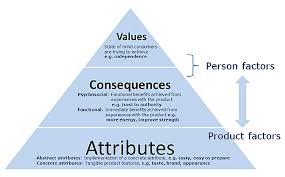
Overview of Laddering Theory
Laddering Theory, Method, Analysis, and Interpretation by Thomas J. Reynolds and Jonathan Gutman is a foundational framework in qualitative research, particularly within consumer behavior studies. Below is an overview of the key aspects of this theory and methodology:
Overview of Laddering Theory
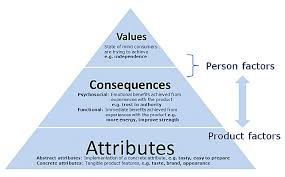
Laddering is a qualitative research technique designed to uncover the deeper motivations, values, and decision-making processes underlying consumer behavior. It is rooted in the Means-End Chain Theory, which posits that consumers make choices based on a hierarchy of perceptions involving three levels:
- Attributes (A): The tangible or intangible features of a product or service.
- Consequences (C): The outcomes or benefits derived from those attributes.
- Values (V): The personal values or life goals that these consequences serve[1][4].
The laddering process seeks to identify the connections between these levels (A → C → V) to understand how products or services align with consumers’ personal values.
Methodology
The laddering technique involves in-depth, one-on-one interviews using a structured probing approach. The primary question format revolves around asking “Why is that important to you?” repeatedly to move from surface-level attributes to deeper values. This process creates a “ladder” of associations for each respondent[1][2][4].
Steps in Laddering:
- Eliciting Attributes: Start by identifying the key features that differentiate a product or service.
- Identifying Consequences: Probe to understand the benefits or outcomes associated with these attributes.
- Uncovering Values: Further probe to reveal the personal values tied to these consequences.
Data Analysis
- Responses are analyzed using content analysis techniques to summarize key elements at each level of abstraction (A, C, V).
- Results are visualized through a Hierarchical Value Map (HVM), which graphically represents the dominant linkages across attributes, consequences, and values[1][4].
Applications
The laddering method has been widely applied in marketing and consumer research to:
- Develop effective branding strategies.
- Understand consumer decision-making processes.
- Identify opportunities for product innovation.
It provides insights into how consumers perceive products in relation to their self-concept and life goals, enabling businesses to align their offerings with consumer values[1][2][6].
Contributions by Reynolds and Gutman
- Thomas J. Reynolds: A professor and researcher specializing in strategic positioning and communication options.
- Jonathan Gutman: A marketing professor focused on developing and applying Means-End Chain methodology.
Their work has been instrumental in advancing both academic and practical applications of laddering as a robust tool for understanding consumer behavior[4].
Citations:
[1] https://is.muni.cz/el/1456/jaro2013/MPH_MVPS/39278324/LadderingTheoy_original.pdf
[2] https://www.data-panda.com/post/laddering-technique-and-5-whys
[3] https://www.businessballs.com/personal-relationships/ladder-theory-of-sexual-relationships/
[4] https://ngovietliem.com/wp-content/uploads/2022/12/Reading-3.3-Laddering-theory.pdf
[5] https://www.semanticscholar.org/paper/Laddering-theory,-method,-analysis,-and-Reynolds-Gutman/33bef1faa5f75fd54f527f95b9d1e2e4c9dd5b7b
[6] https://www.researchgate.net/publication/229053675_Discussing_laddering_application_by_the_means-end_chain_theory
[7] https://asana.com/ko/resources/ladder-of-inference
[8] https://www.studocu.com/it/document/universita-di-bologna/marketing/reynoldsladderingtheory/8042519
[9] https://media.almashhad.com/archive/1698749822629_wEaGz.pdf
[10] https://thesystemsthinker.com/the-ladder-of-inference/ -
What is conjoint analysis?
Sawtooth Software, 2021
Introduction to conjoint analysis
Conjoint analysis is the premier approach for optimizing product features and pricing. It mimics the trade-offs people make in the real world when making choices. In conjoint analysis surveys you offer your respondents multiple alternatives with differing features and ask which they would choose.
With the resulting data, you can predict how people would react to any number of product designs and prices. Because of this, conjoint analysis is used as the advanced tool for testing multiple features at one time when A/B testing just doesn’t cut it.
Conjoint analysis is commonly used for:
Designing and pricing products / Healthcare and medical decisions / Branding, package design, and product claims / Environmental impact studies / Needs-based market segmentation
How does conjoint analysis work?
- Step 1: Break products into attributes and levels
In the picture below, a conjoint analysis example, the attributes of a car are broken down into brand, engine, type, and price. Each of those attributes has different levels.

Rather than directly ask survey respondents what they prefer in a product, or what attributes they find most important, conjoint analysis employs the more realistic context of asking respondents to evaluate potential product profiles (see below).
Step 2: Show product profiles to respondents

Each profile includes multiple conjoined product features (hence, conjoint analysis), such as price, size, and color, each with multiple levels, such as small, medium, and large.
In a conjoint exercise, respondents usually complete between 8 to 20 conjoint questions. The questions are designed carefully, using experimental design principles of independence and balance of the features.
Step 3: Quantify your market’s preferences and create a model
By independently varying the features that are shown to the respondents and observing the responses to the product profiles, the analyst can statistically deduce what product features are most desired and which attributes have the most impact on choice (see below).


Screenshot In contrast to simpler survey research methods that directly ask respondents what they prefer or the importance of each attribute, these preferences are derived from these relatively realistic trade-off situations.
The result is usually a full set of preference scores (often called part-worth utilities) for each attribute level included in the study. The many reporting options allow you to see which segments (or even individual respondents) are most likely to prefer your product (see example table).
Why use conjoint analysis?
When people face challenging trade-offs, we learn what’s truly important to them. Conjoint analysis doesn’t allow people to say that everything is important, which can happen in typical rating scale questions, but rather forces them to choose between competing realistic options. By systematically varying product features and prices in a conjoint survey and recording how people choose, you gain information that far exceeds standard concept testing.
If you want to predict how people will react to new product formulations or prices, you cannot rely solely on existing sales data, social media content, qualitative inquiries, or expert opinion.
What-if market simulators are a key reason decision-makers embrace and continue to request conjoint analysis studies. With the model built from choices in the conjoint analysis, market simulators allow managers to test feature/pricing combinations in a simulated shopping/choice environment to predict how the market would react.
What are the outputs of Conjoint Analysis?
The preference scores that result from a conjoint analysis are called utilities. The higher the utility, the higher the preference. Although you could report utilities to others, they are not as easy to interpret as the results of market simulations that are market choices summing to 100%.
Attribute importances are another traditional output from conjoint analysis. Importances sum to 100% across attributes and reflect the relative impact each attribute has on product choices. Attribute importances can be misleading in certain cases, however, because the range of levels you choose to include in the experiment have a strong effect on the resulting importance score.
The key deliverable is the what-if market simulator. This is a decision tool that lets you test thousands of different product formulations and pricing against competition and see what buyers will likely choose. Make a change to your product or price and run the simulation again to see the effect on market choices. You can use our market simulator application or our software can export your market simulator as an Excel sheet.
How are outputs used?
Companies use conjoint analysis tools to test improvements to their product, help them set profit-maximizing prices, and to guide their development of multiple product offerings to appeal to different market segments. Because graphics may be used as attribute levels, CPG firms use conjoint analysis to help design product packaging, colors, and claims. Economists use conjoint analysis for a variety of consumer decisions involving green energy choice, healthcare, or transportation. The possibilities are endless.
The Basics of Interpreting Conjoint Utilities
Users of conjoint analysis are sometimes confused about how to interpret utilities. Difficulty most often arises in trying to compare the utility value for one level of an attribute with a utility value for one level of another attribute. It is never correct to compare a single value for one attribute with a single value from another. Instead, one must compare differences in values. The following example illustrates this point:
Brand A 40 Red 20 $ 50 90
Brand B 60 Blue 10 $ 75 40
Brand C 20 Pink 0 $ 100 0It is not correct to say that Brand C has the same desirability as the color Red. However, it is correct to conclude that the difference in value between brands B and A (60-40 = 20) is the same as the difference in values between Red and Pink (20-0 = 20). This respondent should be indifferent between Brand A in a Red color (40+20=60) and Brand B in a Pink color (60+ 0 = 60).
< see next page >
Sometimes we want to characterize the relative importance of each attribute. We do this by considering how much difference each attribute could make in the total utility of a product. That difference is the range in the attribute’s utility values. We percentage those ranges, obtaining a set of attribute importance values that add to 100, as follows:

Screenshot For this respondent, the importance of Brand is 26.7%, the importance of Color is 13.3%, and the importance of Price is 60%. Importances depend on the particular attribute levels chosen for the study. For example, with a narrower range of prices, Price would have been less important.
When summarizing attribute importances for groups, it is best to compute importances for respondents individually and then average them, rather than computing importances using average utilities. For example, suppose we were studying two brands, Coke and Pepsi. If half of the respondents preferred each brand, the average utilities for Coke and Pepsi would be tied, and the importance of Brand would appear to be zero!
Source:
Sawtooth Software (2021), What is conjoint analysis [online], accessed 11-10-2021, available at: https://sawtoothsoftware.com/conjoint-analysis
Geef een reactie
Je moet ingelogd zijn op om een reactie te plaatsen.
-
How to Measure Loss Aversion
To measure loss aversion among consumers in marketing, you can use the following approaches:
1. **Behavioral Experiments**:
Design experiments where participants choose between options framed as potential losses or gains. For example, test whether consumers are more likely to act when told they could “lose $10” versus “gain $10” for the same decision[2][6].
2. **A/B Testing in Campaigns**:
Run A/B tests by framing marketing messages differently. For instance, compare responses to “Limited-time offer: Don’t miss out!” versus “Exclusive deal: Act now to save!” Measure the impact on conversion rates, click-through rates, and customer actions[5][6].
3. **Surveys and Questionnaires**:
Use structured surveys to assess consumer preferences under loss- and gain-framed scenarios. Include questions about emotional responses to hypothetical losses versus gains[7].
4. **Endowment Effect Studies**:
Offer trial periods or temporary ownership of products and observe whether consumers are reluctant to give them up, indicating loss aversion[3].
5. **Field Studies**:
Analyze real-world data, such as changes in purchasing behavior during limited-time offers or stock scarcity alerts. Metrics like urgency-driven purchases can reflect loss aversion tendencies[1][5].
By combining these methods with analytics tools to track consumer behavior, you can quantify and leverage loss aversion effectively in marketing strategies.
Sources
[1] The Power Of Loss Aversion In Marketing: A Comprehensive Guide https://www.linkedin.com/pulse/power-loss-aversion-marketing-comprehensive-guide-james-taylor-
[2] Using the Theory of Loss Aversion in Marketing To Gain … – Brax.io https://www.brax.io/blog/using-loss-aversion-in-marketing-to-gain-more-customers
[3] What is loss aversion? + Marketing example | Tasmanic® https://www.tasmanic.eu/blog/loss-aversion/
[4] Harnessing Loss Aversion: The Psychology Behind Supercharging … https://www.linkedin.com/pulse/harnessing-loss-aversion-psychology-behind-your-mohamed-ali-mohamed-agz3e
[5] Loss Aversion Marketing: Driving More Sales in 2025 – WiserNotify https://wisernotify.com/blog/loss-aversion-marketing/
[6] What is Loss Aversion and 13 Loss Aversion Marketing Strategies to … https://www.invespcro.com/blog/13-loss-aversion-marketing-strategies-to-increase-conversions/
[7] [PDF] Impact of Loss Aversion on Marketing – Atlantis Press https://www.atlantis-press.com/article/125983646.pdf
[8] Loss aversion – The Decision Lab https://thedecisionlab.com/biases/loss-aversion -

Loss Aversion in Marketing:
Loss aversion, a cornerstone of behavioral economics, profoundly impacts consumer decision-making in marketing. It describes the tendency for individuals to feel the pain of a loss more strongly than the pleasure of an equivalent gain (Peng, 2025), (Frank, NaN), (Mrkva, 2019). This psychological principle, far from being a niche concept, permeates various aspects of consumer behavior, offering marketers powerful insights into shaping persuasive campaigns and optimizing strategies. This explanation will delve into the intricacies of loss aversion, exploring its neural underpinnings, its manifestation in diverse marketing contexts, and its implications for crafting effective marketing strategies.
Understanding the Neural Basis of Loss Aversion:
The phenomenon isn’t simply a matter of subjective preference; it has a demonstrable biological basis. Neuroscientific research, such as that conducted by Michael Frank, Adriana Galvan, Marisa Geohegan, Eric Johnson, and Matthew Lieberman (Frank, NaN), reveals that distinct neural networks respond differently to potential gains and losses. Their fMRI study showed that a broad neural network, including midbrain dopaminergic regions and their limbic and cortical targets, exhibited increasing activity as potential gains increased. Conversely, an overlapping set of regions showed decreasing activity as potential losses increased (Frank, NaN). This asymmetry in neural response underscores the heightened sensitivity to potential losses, providing a neurological foundation for the behavioral phenomenon of loss aversion. Further research by C. Eliasmith, A. Litt, and Paul Thagard (Eliasmith, NaN) delves into the interplay between cognitive and affective processes, suggesting a modulation of reward valuation by emotional arousal, influenced by stimulus saliency (Eliasmith, NaN). Their model proposes a dopamine-serotonin opponency in reward prediction error, influencing both cognitive planning and emotional state (Eliasmith, NaN). This neural model offers a biologically plausible explanation for the disproportionate weight given to losses in decision-making. The work of Benedetto De Martino, Colin F. Camerer, and Ralph Adolphs (Martino, 2010) further supports this neurobiological connection by demonstrating that individuals with amygdala damage exhibit reduced loss aversion (Martino, 2010), highlighting the amygdala’s crucial role in processing and responding to potential losses. The study by Zoe Guttman, D. Ghahremani, J. Pochon, A. Dean, and E. London (Guttman, 2021) adds another layer to this understanding by linking age-related changes in the posterior cingulate cortex thickness to variations in loss aversion (Guttman, 2021). This highlights the complex interplay between biological factors, cognitive processes, and the manifestation of loss aversion.
Loss Aversion in Marketing Contexts:
The implications of loss aversion are far-reaching in marketing. Marketers can leverage this bias to enhance consumer engagement and drive sales (Peng, 2025), (Zheng, 2024). Kedi Peng’s research (Peng, 2025) highlights the effectiveness of framing choices to emphasize potential losses rather than gains (Peng, 2025). For instance, promotional sales often emphasize the limited-time nature of discounts, creating a sense of urgency and fear of missing out (FOMO), thereby triggering a stronger response than simply highlighting the potential gains (Peng, 2025), (Zheng, 2024). This FOMO taps directly into loss aversion, motivating consumers to make impulsive purchases to avoid perceived losses (Peng, 2025), (Zheng, 2024), (Hwang, 2024). Luojie Zheng’s work (Zheng, 2024) further underscores the power of loss aversion in attracting and retaining customers (Zheng, 2024), demonstrating its effectiveness in both short-term sales boosts and long-term customer relationship building (Zheng, 2024). The application extends beyond promotional sales. Money-back guarantees and free trials (Soosalu, NaN) capitalize on loss aversion by allowing consumers to experience a product without the immediate commitment of a purchase, reducing the perceived risk of loss (Soosalu, NaN). The feeling of ownership, even partial ownership, can significantly increase perceived value and reduce the likelihood of return (Soosalu, NaN), as consumers become emotionally attached to the product and are averse to losing it (Soosalu, NaN). This principle is also evident in online auctions, where the psychological ownership developed during the bidding process drives prices higher than they might otherwise be (Soosalu, NaN).
Moderators of Loss Aversion:
While loss aversion is a robust phenomenon, its impact is not uniform across all consumers. Several factors can moderate its influence (Mrkva, 2019). Kellen Mrkva, Eric J. Johnson, S. Gaechter, and A. Herrmann (Mrkva, 2019) identified domain knowledge, experience, and education as key moderators (Mrkva, 2019). Consumers with more domain knowledge tend to exhibit lower levels of loss aversion (Mrkva, 2019), suggesting that informed consumers are less susceptible to manipulative marketing tactics that emphasize potential losses. Age also plays a role, with older consumers generally displaying greater loss aversion (Mrkva, 2019), influencing their responses to marketing messages and promotions (Mrkva, 2019). This suggests the need for tailored marketing strategies targeted at different demographic segments, considering their varying levels of susceptibility to loss aversion. The research by Michael S. Haigh and John A. List (Haigh, 2005) further supports this idea by comparing the loss aversion exhibited by professional traders and students (Haigh, 2005). Their findings revealed differences in loss aversion between these groups, highlighting the influence of experience and expertise on this psychological bias (Haigh, 2005). The impact of market share, as highlighted by M. Kallio and M. Halme (Kallio, NaN), also adds another layer of complexity (Kallio, NaN). Their research redefines loss aversion in terms of demand response rather than value response, introducing the concept of a reference price and highlighting market share as a significant factor influencing price behavior (Kallio, NaN). This emphasizes the importance of considering market dynamics and consumer expectations when analyzing loss aversion’s impact.
Loss Aversion and Pricing Strategies:
Loss aversion significantly influences consumer price sensitivity (Genesove, 2001), (Biondi, 2020), (Koh, 2025). David Genesove and Christopher Mayer (Genesove, 2001) demonstrate this in the housing market, where sellers experiencing nominal losses set asking prices significantly higher than expected market values (Genesove, 2001), reflecting their reluctance to realize losses (Genesove, 2001). This reluctance is even more pronounced among owner-occupants compared to investors (Genesove, 2001), highlighting the psychological influence on pricing decisions (Genesove, 2001). Beatrice Biondi and L. Cornelsen (Biondi, 2020) explore the reference price effect in online and traditional supermarkets (Biondi, 2020), finding that loss aversion plays a role in both settings but is less pronounced in online choices (Biondi, 2020). This suggests that the context of the purchase significantly influences the impact of loss aversion on consumer behavior. Daniel Koh and Zulklifi Jalil (Koh, 2025) introduce the Loss Aversion Distribution (LAD) model (Koh, 2025), a novel approach to understanding time-sensitive decision-making behaviors influenced by loss aversion (Koh, 2025). This model provides actionable insights for optimizing pricing strategies by capturing how perceived value diminishes over time, particularly relevant for perishable goods and time-limited offers (Koh, 2025). The work by Botond Kőszegi and Matthew Rabin (Kszegi, 2006) develops a model of reference-dependent preferences, incorporating loss aversion and highlighting how consumer expectations about outcomes impact their willingness to pay (Kszegi, 2006). Their research emphasizes the influence of market price distribution and anticipated behavior on consumer decisions, adding complexity to the understanding of pricing strategies (Kszegi, 2006). The study by Yawen Zhang, B. Li, and Ruidong Zhao (Zhang, 2021) further expands on this by examining the impact of loss aversion on pricing strategies in advance selling, showing that higher loss aversion leads to lower prices (Zhang, 2021).
Loss Aversion and Marketing Messages:
The way information is framed significantly affects consumer responses (Camerer, 2005), (Orivri, 2024), (Chuah, 2011), (Lin, 2023). Colin F. Camerer (Camerer, 2005) emphasizes the importance of prospect theory, where individuals evaluate outcomes relative to a reference point, making losses more impactful than equivalent gains (Camerer, 2005). This understanding is crucial for crafting effective marketing messages (Camerer, 2005). The study by Glory E. Orivri, Bachir Kassas, John Lai, Lisa House, and Rodolfo M. Nayga (Orivri, 2024) explores the impact of gain and loss framing on consumer preferences for gene editing (Orivri, 2024), finding that both frames can reduce aversion but that gain framing is more effective (Orivri, 2024). SweeHoon Chuah and James F. Devlin (Chuah, 2011) highlight the importance of understanding loss aversion in improving marketing strategies for financial services (Chuah, 2011). Jingwen Lin’s research (Lin, 2023) emphasizes the influence of various cognitive biases, including loss aversion, on consumer decision-making, illustrating real-world cases where loss aversion has affected consumer choices (Lin, 2023). This research underscores the significance of addressing cognitive biases like loss aversion to improve decision-making in marketing contexts (Lin, 2023). The research by Mohammed Abdellaoui, Han Bleichrodt, and Corina Paraschiv (Abdellaoui, 2007) further emphasizes the importance of accurately measuring utility for both gains and losses to create effective marketing tactics (Abdellaoui, 2007). Their parameter-free measurement of loss aversion within prospect theory provides a more nuanced understanding of consumer preferences (Abdellaoui, 2007). The study by Peter Sokol-Hessner, Ming Hsu, Nina G. Curley, Mauricio R. Delgado, Colin F. Camerer, and Elizabeth A. Phelps (SokolHessner, 2009) suggests that perspective-taking strategies can reduce loss aversion, implying that reframing losses can influence consumer choices (SokolHessner, 2009). This highlights the potential for marketers to use cognitive strategies to mitigate the negative impact of loss aversion. The research by Ola Andersson, Hkan J. Holm, Jean-Robert Tyran, and Erik Wärneryd (Andersson, 2014) further supports this by showing that deciding for others reduces loss aversion (Andersson, 2014), suggesting that framing decisions in a social context might also alleviate the impact of this bias (Andersson, 2014).
Loss Aversion across Generations and Demographics:
Loss aversion is not experienced uniformly across all demographics. Thomas Edward Hwang’s research (Hwang, 2024) explores generational differences in loss aversion and responses to limited-time discounts (Hwang, 2024). Their findings highlight varying levels of impulse buying and calculated decision-making across Baby Boomers, Gen X, Millennials, and Gen Z, influenced by urgency marketing (Hwang, 2024). This underscores the importance of tailoring marketing strategies to resonate with generational preferences and sensitivities to loss (Hwang, 2024). Aaryan Kayal’s study (Kayal, 2024) specifically addresses cognitive biases, including loss aversion, in the financial decisions of teenagers (Kayal, 2024), highlighting the importance of understanding loss aversion when designing marketing strategies targeted at younger demographics (Kayal, 2024). Simon Gaechter, Eric J. Johnson, and Andreas Herrmann (Gaechter, 2007) found a significant correlation between loss aversion and demographic factors such as age, income, and wealth (Gaechter, 2007), indicating that marketing strategies should be tailored to specific consumer segments based on these factors (Gaechter, 2007). Sudha V Ingalagi and Mamata (Ingalagi, 2024) also investigated the influence of gender and risk perception on loss aversion in investment decisions, suggesting that similar principles could be applied to consumer behavior in marketing contexts (Ingalagi, 2024). Their research highlights the importance of considering these variables when designing marketing campaigns (Ingalagi, 2024). The research by J. Nicolau, Hakseung Shin, Bora Kim, and J. F. O’Connell (Nicolau, 2022) demonstrates how loss aversion impacts passenger behavior in airline pricing strategies, with business passengers showing a greater reaction to loss aversion than economy passengers (Nicolau, 2022). This suggests that different customer segments exhibit varying degrees of sensitivity to losses, impacting the effectiveness of marketing strategies (Nicolau, 2022).
Loss Aversion in Specific Marketing Scenarios:
The principle of loss aversion finds application in various marketing scenarios beyond simple pricing and promotional strategies. The research by Wentao Zhan, Wenting Pan, Yi Zhao, Shengyu Zhang, Yimeng Wang, and Minghui Jiang (Zhan, 2023) explores how loss aversion affects customer decisions regarding return-freight insurance (RI) in e-retailing (Zhan, 2023). Their findings indicate that higher loss sensitivity leads to reduced willingness to purchase RI, impacting e-retailer profitability (Zhan, 2023). This highlights the importance of considering loss aversion when designing return policies and insurance options (Zhan, 2023). Qin Zhou, Kum Fai Yuen, and Yu-ling Ye (Zhou, 2021) examine the impact of loss aversion and brand loyalty on competitive trade-in strategies (Zhou, 2021), showing that firms recognizing consumer loss aversion can increase profits compared to those that don’t (Zhou, 2021). However, they also find that both loss aversion and brand loyalty negatively affect consumer surplus (Zhou, 2021), suggesting a complex interplay between business strategies and consumer welfare (Zhou, 2021). The research by Junjie Lin (Lin, 2024) explores the impact of loss aversion in real estate and energy conservation decisions (Lin, 2024), demonstrating how the fear of loss influences consumer choices in these areas (Lin, 2024). This suggests that similar principles might apply to other marketing fields where consumers make significant financial commitments (Lin, 2024). The study by Jiaying Xu, Qingfeng Meng, Yuqing Chen, and Zhao Jia (Xu, 2023) examines loss aversion’s impact on pricing decisions in product recycling within green supply chain operations (Xu, 2023), demonstrating that understanding consumer loss aversion can improve economic efficiency and resource conservation in marketing efforts (Xu, 2023). This highlights the applicability of loss aversion principles to sustainable marketing practices (Xu, 2023). The study by Yashi Lin, Jiaxuan Wang, Zihao Luo, Shaojun Li, Yidan Zhang, and B. Wünsche (Lin, 2023) investigates how loss aversion can be used to increase physical activity in augmented reality (AR) exergames (Lin, 2023), suggesting that this principle can be applied beyond traditional marketing contexts to encourage healthy behaviors (Lin, 2023). The research by Roland G. Fryer, Steven D. Levitt, John A. List, and Sally Sadoff (Fryer, 2012) demonstrates the effectiveness of pre-paid incentives leveraging loss aversion to improve teacher performance (Fryer, 2012), which highlights the potential of this principle in motivational contexts beyond consumer marketing (Fryer, 2012). Zhou Yong-wu and L. Ji-cai (Yong-wu, NaN) analyze the joint decision-making process of loss-averse retailers regarding advertising and order quantities (Yong-wu, NaN), showing that loss aversion influences both advertising spending and inventory management (Yong-wu, NaN). This suggests that loss aversion impacts various aspects of retail marketing strategies (Yong-wu, NaN). Lei Jiang’s research (Jiang, 2018), (Jiang, 2018), (Jiang, NaN) consistently explores the impact of loss aversion on retailers’ decision-making processes, analyzing advertising strategies in both cooperative and non-cooperative scenarios (Jiang, 2018), (Jiang, 2018), (Jiang, NaN) and highlighting how loss aversion influences order quantities and advertising expenditures (Jiang, 2018), (Jiang, NaN). This work consistently demonstrates the pervasive influence of loss aversion on various aspects of retail marketing and supply chain management. The research by Shaofu Du, Huifang Jiao, Rongji Huang, and Jiaang Zhu (Du, 2014) examines supplier decision-making behaviors during emergencies, considering consumer risk perception and loss aversion (Du, 2014). Although not directly focused on marketing, it highlights the broader impact of loss aversion on decision-making under conditions of uncertainty (Du, 2014). C. Lan and Jianfeng Zhu (Lan, 2021) explore the impact of loss aversion on consumer decisions in new product presale strategies in the e-commerce supply chain (Lan, 2021), demonstrating that understanding loss aversion can inform optimal pricing strategies (Lan, 2021). This research highlights the importance of considering consumer psychology when designing presale campaigns (Lan, 2021). The research by Shuang Zhang and Yueping Du (Zhang, 2025) applies evolutionary game theory to analyze dual-channel pricing decisions, incorporating consumer loss aversion (Zhang, 2025). Their findings suggest that a decrease in consumer loss aversion leads to more consistent purchasing behavior, impacting manufacturers’ strategies (Zhang, 2025). This study demonstrates the importance of considering behavioral economics in marketing tactics (Zhang, 2025). The study by R. Richardson (Richardson, NaN) examines the moderating role of social networks on loss aversion, highlighting how socially embedded exchanges amplify the effects of loss aversion on consumer-brand relationships (Richardson, NaN). This research underscores the importance of understanding social influence when designing marketing strategies that consider loss aversion (Richardson, NaN). Finally, Hanshu Zhuang’s work (Zhuang, 2023) explores the relationship between customer loyalty and status quo bias, which is closely tied to loss aversion, highlighting the importance of considering loss aversion when designing loyalty programs and marketing strategies that aim to retain customers (Zhuang, 2023).
Addressing Loss Aversion in Marketing Strategies:
Understanding loss aversion allows marketers to design more effective campaigns. By framing messages to emphasize potential losses, marketers can tap into consumers’ heightened sensitivity to negative outcomes, driving stronger responses than simply highlighting potential gains (Peng, 2025), (Zheng, 2024). This approach can be applied to various marketing elements, including pricing, promotions, and product messaging. However, it’s crucial to employ ethical and responsible marketing practices, avoiding manipulative tactics that exploit consumer vulnerabilities (Zamfir, 2024), (Dam, NaN). The research by Y. K. Dam (Dam, NaN) suggests that negative labelling (highlighting potential losses from unsustainable consumption) can be more effective than positive labelling (highlighting gains from sustainable consumption) in promoting sustainable consumer behavior (Dam, NaN). This research emphasizes the importance of understanding the psychological mechanisms behind consumer choices when designing marketing strategies that promote socially responsible behaviors (Dam, NaN). The paper by Christopher McCusker and Peter J. Carnevale (McCusker, 1995) examines how framing resource dilemmas influences decision-making and cooperation, highlighting the impact of loss aversion on cooperative behavior (McCusker, 1995). This research suggests that understanding loss aversion can improve marketing approaches and decision-making in various fields (McCusker, 1995). The study by Midi Xie (Xie, 2023) investigates the influence of status quo bias and loss aversion on consumer choices, using the Coca-Cola’s new Coke launch as a case study (Xie, 2023). This research emphasizes the importance of considering consumer reluctance to change when introducing new products (Xie, 2023). The research by Peter Sokol-Hessner, Colin F. Camerer, and Elizabeth A. Phelps (SokolHessner, 2012) indicates that emotion regulation strategies can reduce loss aversion (SokolHessner, 2012), suggesting that marketers can potentially influence consumers’ emotional responses to mitigate the impact of loss aversion (SokolHessner, 2012). The research by K. Selim, A. Okasha, and Heba M. Ezzat (Selim, 2015) explores loss aversion in the context of asset pricing and financial markets, finding that loss aversion can improve market quality and stability (Selim, 2015). While not directly related to marketing, this research suggests that understanding loss aversion can lead to more stable and efficient market outcomes (Selim, 2015). The study by Michael Neel (Neel, 2025) examines the impact of country-level loss aversion on investor responses to earnings news, finding that investors in more loss-averse countries are more sensitive to bad news (Neel, 2025). Although not directly marketing-related, this research illustrates the cross-cultural variations in loss aversion and its implications for investment decisions (Neel, 2025). The work by Artina Kamberi and Shenaj Haxhimustafa (Kamberi, 2024) investigates the impact of loss aversion on investment decision-making, considering demographic factors and financial literacy (Kamberi, 2024). While not directly marketing-focused, this research provides insights into how loss aversion influences risk preferences and investment choices (Kamberi, 2024). Finally, the research by Glenn Dutcher, Ellen Green, and B. Kaplan (Dutcher, 2020) explores how framing (gain vs. loss) in messages influences decision-making regarding organ donations (Dutcher, 2020), demonstrating the effectiveness of loss-framed messages in increasing commitment to donation (Dutcher, 2020). This highlights the power of framing in influencing decisions, a principle applicable to various marketing contexts (Dutcher, 2020). The research by Qi Wang, L. Wang, Xiaohang Zhang, Yunxia Mao, and Peng Wang (Wang, 2017) examines how the presentation of online reviews can evoke loss aversion, affecting consumer purchase intention and delay (Wang, 2017). This work highlights the importance of considering the psychological impact of information presentation when designing online marketing strategies (Wang, 2017). The research by Mauricio R. Delgado, A. Schotter, Erkut Y. Ozbay, and E. Phelps (Delgado, 2008) investigates why people overbid in auctions, linking it to the neural circuitry of reward and loss contemplation (Delgado, 2008). This research demonstrates how framing options to emphasize potential loss can heighten bidding behavior, illustrating principles of loss aversion in a tangible context (Delgado, 2008). Finally, the research by Zhilin Yang and Robin T. Peterson (Yang, 2004) examines the moderating effects of switching costs on customer satisfaction and perceived value, which can indirectly relate to loss aversion as switching costs can represent a perceived loss for customers (Yang, 2004).
Loss aversion is a powerful and pervasive psychological force that significantly influences consumer behavior in marketing. Understanding its neural underpinnings and its manifestation across various contexts, demographics, and marketing strategies is essential for creating effective and ethical campaigns. By acknowledging and strategically addressing loss aversion, marketers can design more persuasive messages, optimize pricing strategies, and foster stronger consumer engagement. However, it is equally crucial to employ these insights responsibly, avoiding manipulative tactics that exploit consumer vulnerabilities. A thorough understanding of loss aversion empowers marketers to create campaigns that resonate deeply with consumers while upholding ethical standards. Further research into the nuances of loss aversion, its interaction with other cognitive biases, and its cross-cultural variations will continue to refine our understanding and its application in marketing.
References
Abdellaoui, M., Bleichrodt, H., & Paraschiv, C. (2007). Loss aversion under prospect theory: a parameter-free measurement. Institute for Operations Research and the Management Sciences. https://doi.org/10.1287/mnsc.1070.0711
Andersson, O., Holm, H. J., Tyran, J., & Wengstrm, E. (2014). Deciding for others reduces loss aversion. Institute for Operations Research and the Management Sciences. https://doi.org/10.1287/mnsc.2014.2085
Biondi, B. & Cornelsen, L. (2020). Reference price effect on consumer choicein online and traditional supermarkets: anapplication of discrete choice model onhome scan data. None. https://doi.org/10.6092/UNIBO/AMSACTA/6424
Camerer, C. F. (2005). Three cheerspsychological, theoretical, empiricalfor loss aversion. SAGE Publishing. https://doi.org/10.1509/jmkr.42.2.129.62286
Chuah, S. & Devlin, J. F. (2011). Behavioural economics and financial services marketing: a review. Emerald Publishing Limited. https://doi.org/10.1108/02652321111165257
Dam, Y. K. (NaN). Sustainable consumption and marketing. None. https://doi.org/10.18174/370623
Delgado, M. R., Schotter, A., Ozbay, E. Y., & Phelps, E. (2008). Understanding overbidding: using the neural circuitry of reward to design economic auctions. Science. https://doi.org/10.1126/science.1158860
Du, S., Jiao, H., Huang, R., & Zhu, J. (2014). Emergency-dependent supply decisions with risk perception and price control. None. https://doi.org/10.1155/2014/965395
Dutcher, G., Green, E., & Kaplan, B. (2020). Using behavioral economics to increase transplantation through commitments to donate.. Transplantation. https://doi.org/10.1097/TP.0000000000003182
Eliasmith, C., Litt, A., & Thagard, P. (NaN). Why losses loom larger than gains: modeling neural mechanisms of cognitive-affective interaction. None. https://doi.org/None
Frank, M., Galvan, A., Geohegan, M., Johnson, E., & Lieberman, M. (NaN). Supplementary materials for : losses loom larger than gains in the brain : neural loss aversion predicts behavioral loss aversion. None. https://doi.org/None
Fryer, R. G., Levitt, S. D., List, J. A., & Sadoff, S. (2012). Enhancing the efficacy of teacher incentives through loss aversion: a field experiment. None. https://doi.org/10.3386/w18237
Gaechter, S., Johnson, E. J., & Herrmann, A. (2007). Individual-level loss aversion in riskless and risky choices. RELX Group (Netherlands). https://doi.org/10.2139/ssrn.1010597
Genesove, D. & Mayer, C. (2001). Loss aversion and seller behavior: evidence from the housing market. None. https://doi.org/10.3386/w8143
Guttman, Z., Ghahremani, D., Pochon, J., Dean, A., & London, E. (2021). Age influences loss aversion through effects on posterior cingulate cortical thickness. Frontiers in Neuroscience. https://doi.org/10.3389/fnins.2021.673106
Haigh, M. S. & List, J. A. (2005). Do professional traders exhibit myopic loss aversion? an experimental analysis. Wiley. https://doi.org/10.1111/j.1540-6261.2005.00737.x
Hwang, T. E. (2024). Generational variations in loss aversion: analyzing purchase decisions under limited-time discounts. Journal of World Economy. https://doi.org/10.56397/jwe.2024.12.05
Ingalagi, S. V. & Mamata, (2024). Implications of loss aversion and investment decisions. None. https://doi.org/10.61808/jsrt90
Jiang, L. (2018). Cooperative advertising and order strategy between the risk neutral manufacturer and the loss averse retailer. International Conferences on Computers in Management and Business. https://doi.org/10.1145/3232174.3232188
Jiang, L. (2018). Game in two kinds of situations based on the loss averse retailer. None. https://doi.org/10.1145/3271972.3271999
Jiang, L. (NaN). Supply chain cooperative advertising and ordering model for the loss averse retailer. None. https://doi.org/10.17706/IJAPM.2018.8.3.31-44
Kallio, M. & Halme, M. (NaN). Redefining loss averse and gain seeking. None. https://doi.org/None
Kamberi, A. & Haxhimustafa, S. (2024). Loss aversion: the unseen force shaping investment decisions. None. https://doi.org/10.62792/ut.evision.v11.i21-22.p2705
Kayal, A. (2024). Cognitive biases in financial decisions made by teenagers. INTERANTIONAL JOURNAL OF SCIENTIFIC RESEARCH IN ENGINEERING AND MANAGEMENT. https://doi.org/10.55041/ijsrem37474
Koh, D. & Jalil, Z. (2025). An application framework for the loss aversion distribution: insights for marketing, education, and digital adoption. International journal of business management. https://doi.org/10.5539/ijbm.v20n2p1
Kszegi, B. & Rabin, M. (2006). A model of reference-dependent preferences*. Oxford University Press. https://doi.org/10.1162/qjec.121.4.1133
Lan, C. & Zhu, J. (2021). New product presale strategies considering consumers loss aversion in the e-commerce supply chain. Discrete Dynamics in Nature and Society. https://doi.org/10.1155/2021/8194879
Lin, J. (2023). The impact of anchoring effects, loss aversion, and belief perseverance on consumer decision-making. Advances in Economics, Management and Political Sciences. https://doi.org/10.54254/2754-1169/62/20231321
Lin, J. (2024). Exploring the impact and decisions of loss aversion psychology in the real estate field and energy conservation. Advances in Economics, Management and Political Sciences. https://doi.org/10.54254/2754-1169/2024.18448
Lin, Y., Wang, J., Luo, Z., Li, S., Zhang, Y., & Wnsche, B. (2023). Dragon hunter: loss aversion for increasing physical activity in ar exergames. Australasian Computer Science Week. https://doi.org/10.1145/3579375.3579403
Martino, B. D., Camerer, C. F., & Adolphs, R. (2010). Amygdala damage eliminates monetary loss aversion. National Academy of Sciences. https://doi.org/10.1073/pnas.0910230107
McCusker, C. & Carnevale, P. J. (1995). Framing in resource dilemmas: loss aversion and the moderating effects of sanctions. Elsevier BV. https://doi.org/10.1006/obhd.1995.1015
Mrkva, K., Johnson, E. J., Gaechter, S., & Herrmann, A. (2019). Moderating loss aversion: loss aversion has moderators, but reports of its death are greatly exaggerated. None. https://doi.org/10.1002/jcpy.1156
Neel, M. (2025). Country-level loss aversion and the market response to earnings news. Social Science Research Network. https://doi.org/10.2139/ssrn.4768248
Nicolau, J., Shin, H., Kim, B., & O”Connell, J. F. (2022). The impact of loss aversion and diminishing sensitivity on airline revenue: price sensitivity in cabin classes. Journal of Travel Research. https://doi.org/10.1177/00472875221093014
Orivri, G. E., Kassas, B., Lai, J., House, L., & Nayga, R. M. (2024). The impacts of message framing on consumer preferences for gene editing. Canadian Journal of Agricultural Economics-Revue Canadienne D”Agroeconomie. https://doi.org/10.1111/cjag.12380
Peng, K. (2025). The impact of loss aversion on decision-making in marketing and financial markets. Advances in Economics, Management and Political Sciences. https://doi.org/10.54254/2754-1169/2024.19247
Richardson, R. (NaN). The moderating role of social networks in loss aversion: testing how consumption in network subcultures can strengthen consumer-brand relationships. None. https://doi.org/None
Selim, K., Okasha, A., & Ezzat, H. M. (2015). Loss aversion, adaptive beliefs, and asset pricing dynamics. Advances in Decision Sciences. https://doi.org/10.1155/2015/971269
SokolHessner, P., Camerer, C. F., & Phelps, E. A. (2012). Emotion regulation reduces loss aversion and decreases amygdala responses to losses. University of Oxford. https://doi.org/10.1093/scan/nss002
SokolHessner, P., Hsu, M., Curley, N. G., Delgado, M. R., Camerer, C. F., & Phelps, E. A. (2009). Thinking like a trader selectively reduces individuals” loss aversion. National Academy of Sciences. https://doi.org/10.1073/pnas.0806761106
Soosalu, G. (NaN). O-prime, a new semantic tool. None. https://doi.org/None
Wang, Q., Wang, L., Zhang, X., Mao, Y., & Wang, P. (2017). The impact research of online reviews” sentiment polarity presentation on consumer purchase decision. Information Technology and People. https://doi.org/10.1108/ITP-06-2014-0116
Xie, M. (2023). The influence of status quo bias on the behavior of micro subject. Advances in Economics, Management and Political Sciences. https://doi.org/10.54254/2754-1169/10/20230434
Xu, J., Meng, Q., Chen, Y., & Jia, Z. (2023). Dual-channel pricing decisions for product recycling in green supply chain operations: considering the impact of consumer loss aversion. Multidisciplinary Digital Publishing Institute. https://doi.org/10.3390/ijerph20031792
Yang, Z. & Peterson, R. T. (2004). Customer perceived value, satisfaction, and loyalty: the role of switching costs. Wiley. https://doi.org/10.1002/mar.20030
Yong-wu, Z. & Ji-cai, L. (NaN). Joint decision-making of order quantities and advertising expenditure for loss-averse retailers. None. https://doi.org/None
Zamfir, M. D. (2024). Scarcity effect and consumer decision biases: how urgency influences the perceived value of products. Journal of World Economy. https://doi.org/10.56397/jwe.2024.12.04
Zhan, W., Pan, W., Zhao, Y., Zhang, S., Wang, Y., & Jiang, M. (2023). The optimal decision of e-retailer based on return-freight insurance – considering the loss aversion of customers. Kybernetes. https://doi.org/10.1108/k-07-2023-1187
Zhang, S. & Du, Y. (2025). Application of evolutionary game to analyze dual-channel decisions: taking consumer loss aversion into consideration. Mathematics. https://doi.org/10.3390/math13020234
Zhang, Y., Li, B., & Zhao, R. (2021). Resale or agency: pricing strategy for advance selling in a supply chain considering consumers loss aversion. None. https://doi.org/10.1093/IMAMAN/DPAB012
Zheng, L. (2024). The power of loss aversion: enhancing customer engagement and retention in business. Advances in Economics, Management and Political Sciences. https://doi.org/10.54254/2754-1169/2024.18268
Zhou, Q., Yuen, K. F., & Ye, Y. (2021). The effect of brand loyalty and loss aversion on competitive trade-in strategies. Total Quality Management and Business Excellence. https://doi.org/10.1080/14783363.2021.1933423
Zhuang, H. (2023). Customer loyalty and status quo bias. Advances in Economics, Management and Political Sciences. https://doi.org/10.54254/2754-1169/12/20230655
Geef een reactie
Je moet ingelogd zijn op om een reactie te plaatsen.
-

Research Ideas: Loss Aversion and Marketing
I. Introduction: Expanding the Scope of Loss Aversion Research
This document outlines ten research suggestions building upon the existing literature on loss aversion’s impact on marketing and commercial strategies. The preceding analysis highlighted the significant influence of loss aversion on consumer behavior, shaping decisions across various marketing aspects, from advertising and pricing to product design and customer loyalty. These suggestions aim to address gaps in current understanding and offer avenues for future investigation, focusing on both theoretical advancements and practical applications. The existing literature provides a strong foundation, but several areas require further exploration to fully understand the nuances and implications of loss aversion in marketing. This document proposes ten research directions to fill these gaps, categorized for clarity and to highlight potential interconnections. Each suggestion includes a detailed rationale, outlining the research questions, methodologies, and expected contributions to the field.
II. Research Suggestions: A Detailed Exploration
The following research suggestions are categorized for clarity and to highlight potential interconnections:
A. Refining Theoretical Models of Loss Aversion in Marketing:
Loss Aversion and Individual Differences: Existing research demonstrates the significant impact of loss aversion on consumer behavior. However, a deeper understanding is needed regarding how individual differences moderate this effect. This research suggestion proposes investigating the moderating role of individual personality traits, such as risk tolerance and neuroticism, on the effectiveness of loss-framed marketing messages. This study would employ established personality inventories, like the Big Five Inventory or the NEO PI-R, to measure participants’ personality traits (Benischke, 2018). Participants would then be exposed to a series of marketing messages, some framed to emphasize potential gains, others emphasizing potential losses. Their responses, measured through behavioral intentions, purchase decisions in simulated scenarios, or physiological measures (e.g., skin conductance), would be analyzed to determine the interaction between personality traits and the effectiveness of loss-framed messages. This research could also explore the interaction between loss aversion and other cognitive biases, such as the endowment effect (King, 2017), (Wahyono, 2021), to create more comprehensive models of consumer decision-making. For example, does the endowment effect amplify or diminish the impact of loss aversion in specific contexts? The influence of cultural background on the responsiveness to loss-framed messages (Reisch, 2017) also requires further investigation. This would involve cross-cultural studies comparing consumer reactions to marketing campaigns employing loss aversion across different national or regional groups. This would require careful consideration of cultural nuances in interpreting loss and gain, and the use of appropriate translation and adaptation of marketing materials.
Dynamic Loss Aversion and Consumer Learning: Current models often treat loss aversion as a static phenomenon. This research suggestion proposes exploring the temporal dynamics of loss aversion in marketing—how repeated exposure to loss-framed messages affects consumer sensitivity to loss over time. This longitudinal study would track consumer behavior over extended periods, exposing participants to loss-framed marketing campaigns at regular intervals. The researchers would measure changes in consumer responses (e.g., purchase intentions, actual purchases, emotional responses) over time. This research would benefit from integrating insights from consumer learning theory (Chen, 2015) to understand how consumers adapt their responses to repeated marketing stimuli. Does repeated exposure lead to habituation, where the impact of loss-framed messages diminishes over time? Or does it lead to sensitization, where consumers become increasingly responsive to such messages? The effects of different types of loss-framed messages on consumer learning need to be evaluated (Shan, 2020). For example, are messages emphasizing immediate losses more susceptible to habituation than those emphasizing long-term losses? Understanding these dynamics is crucial for developing effective and sustainable marketing strategies that avoid over-reliance on loss aversion and prevent consumer fatigue.
B. Empirical Investigations Across Diverse Marketing Contexts:
Loss Aversion in Sustainable Consumption: This research suggestion proposes conducting field experiments evaluating the effectiveness of loss-framed messages in promoting sustainable consumption behaviors, such as recycling, reducing energy consumption, and purchasing eco-friendly products. This research could build upon the existing literature examining the influence of loss aversion on pro-environmental behavior (Gionfriddo, 2023), (Grazzini, 2018), but focus on the specific context of sustainable consumption. Participants would be randomly assigned to different experimental groups, exposed to either loss-framed or gain-framed messages promoting sustainable behaviors. Their subsequent behaviors would be tracked, and the effectiveness of each framing approach would be compared. It is important to consider the interaction between loss aversion and other factors influencing sustainable consumption choices, such as consumer attitudes toward sustainability (Dam, 2016), perceived barriers to sustainable behavior, and social norms. Different framing effects (Grazzini, 2018), (Shan, 2020) could be tested to determine which is most effective in promoting pro-environmental behavior. For instance, does a message emphasizing the environmental damage caused by not recycling (loss frame) resonate more strongly than a message highlighting the positive environmental impact of doing so (gain frame)? The results would contribute to the development of effective and ethically sound marketing campaigns promoting sustainable practices.
Loss Aversion and Digital Marketing: This research suggestion focuses on examining how loss aversion influences consumer behavior in digital marketing channels, such as social media and e-commerce. This research would investigate the effectiveness of loss-framed messages in different digital contexts, considering the unique characteristics of each platform. The role of social influence and the fear of missing out (FOMO) in amplifying the impact of loss aversion in social media marketing (Gupta, 2021) should be a key focus. This research could also explore the use of personalized loss-framed messages based on individual consumer data, but also consider the ethical implications of such practices. The study could employ A/B testing, comparing the performance of advertisements using loss-framed versus gain-framed messaging on various social media platforms. Key metrics would include click-through rates, conversion rates, and engagement levels. The effectiveness of different types of digital marketing campaigns (Sung, 2023) that leverage loss aversion should also be considered. For example, how do loss-framed messages in email marketing compare to those in social media advertising in terms of their impact on consumer behavior? Understanding these nuances is essential for optimizing digital marketing strategies.
C. Investigating the Interactions of Loss Aversion with Other Marketing Elements:
Loss Aversion and Brand Loyalty: This research suggestion investigates the interplay between loss aversion and brand loyalty. Does the perceived loss of switching brands increase customer loyalty? This research could examine the effectiveness of loyalty programs or other strategies that emphasize the potential loss associated with switching brands. This research could employ a longitudinal design, tracking consumer behavior over time to assess the impact of loss-aversion-based loyalty programs on brand switching. The study could collect data on consumer perceptions of the potential losses associated with switching brands (e.g., loss of accumulated rewards points, loss of familiarity with the brand, loss of perceived value). This research could also consider the role of brand trust (Uripto, 2023) in moderating the relationship between loss aversion and brand loyalty. Do consumers with high levels of brand trust exhibit a stronger response to loss-aversion-based loyalty programs? The impact of different types of loyalty programs (Wu, 2021) on customer retention needs to be investigated. For example, do programs emphasizing the potential loss of accumulated benefits outperform those emphasizing the potential gains of continued patronage?
Loss Aversion and Price Sensitivity: This research suggestion explores how loss aversion interacts with price sensitivity to influence consumer choices. This research could examine how loss-framed messages affect price sensitivity and willingness to pay for different products. This could involve experimental designs manipulating both the framing of the message and the price of the product. Participants would be presented with product descriptions and prices, with some descriptions framed to highlight potential gains and others to highlight potential losses. Their willingness to pay would be measured, and the interaction between framing and price sensitivity would be analyzed. The study could also consider the role of other factors that influence price sensitivity, such as consumer income and product type (Chen, 2015). For instance, does the impact of loss aversion on price sensitivity differ for luxury goods versus essential goods? A better understanding of this interaction is crucial for developing effective pricing strategies.
D. Exploring Ethical and Societal Implications:
Ethical Implications of Loss Aversion in Marketing: This research suggestion calls for a critical ethical analysis of the use of loss aversion in marketing. This research could examine the potential for manipulation and undue influence on consumers and propose guidelines for ethical marketing practices that leverage loss aversion responsibly. This research should build upon the existing literature raising ethical concerns about the use of loss aversion in marketing (Heilman, 2017), (Pierce, 2020), . It should also consider the legal and regulatory frameworks governing marketing practices and assess the need for potential adjustments to address the ethical challenges posed by loss aversion-based marketing. The research could involve qualitative methods, such as interviews with marketers and consumers, to gather perspectives on the ethical dimensions of loss-aversion marketing. It could also involve quantitative methods, such as surveys, to assess consumer perceptions of manipulative marketing tactics. The development of a code of ethics for marketing practices that utilize loss aversion would be a valuable outcome of this research.
Loss Aversion and Public Policy: This research suggestion explores the potential applications of loss aversion in public policy to promote positive social outcomes such as improved health and environmental protection. This research could evaluate the effectiveness of loss-framed messages in public health campaigns or environmental initiatives. The research could employ field experiments comparing the effectiveness of loss-framed versus gain-framed messages in promoting specific behaviors, such as vaccination or energy conservation. The research could also consider the ethical implications of using loss aversion in public policy contexts and assess the potential for unintended negative consequences. This research could also draw on the existing literature on nudging (Reisch, 2016), (Vandenbroele, 2019) and explore the effectiveness of different types of nudges that leverage loss aversion to promote positive social behavior. For example, would a message emphasizing the potential health risks of not getting vaccinated be more effective than a message highlighting the health benefits of getting vaccinated?
E. Methodological Advancements and Cross-Disciplinary Approaches:
Neuroeconomic Investigations of Loss Aversion: This research suggestion proposes employing neuroimaging techniques, such as fMRI or EEG, to investigate the neural mechanisms underlying loss aversion in marketing contexts. This research could examine brain activity in response to loss-framed versus gain-framed marketing messages to identify the neural correlates of loss aversion and its impact on consumer decision-making. This would involve recruiting participants and exposing them to different marketing stimuli while their brain activity is measured using neuroimaging techniques. The data would then be analyzed to identify brain regions associated with loss aversion and to determine how these regions are activated in response to different marketing messages. This would provide a more comprehensive understanding of the psychological processes underlying loss aversion and its influence on consumer behavior. Combining neuroscience techniques with behavioral economics methods would provide a more nuanced understanding of loss aversion. This interdisciplinary approach could reveal the neural pathways involved in processing loss and gain information and how these pathways are modulated by marketing messages.
Agent-Based Modeling of Loss Aversion in Markets: This research suggestion proposes developing agent-based models to simulate the impact of loss aversion on market dynamics. This research could explore how the widespread adoption of loss-aversion marketing strategies affects market outcomes, such as prices, competition, and consumer welfare. The models could incorporate different assumptions about consumer behavior and market structures to assess the sensitivity of market outcomes to loss aversion. This research builds on the existing literature using agent-based modeling to understand market behavior (Haer, 2016), but specifically focuses on the impact of loss aversion. The model could simulate a market with multiple agents (consumers and firms) where each agent’s behavior is influenced by loss aversion. Different parameters could be varied to assess the impact of different levels of loss aversion on market dynamics. This approach would allow researchers to explore the potential impact of loss aversion in more complex market settings, going beyond the simplified models often used in traditional economic analyses.
III. A Path Forward for Loss Aversion Research in Marketing
These ten research suggestions offer a diverse range of avenues for advancing our understanding of loss aversion’s role in marketing and advertising. By addressing both theoretical gaps and practical applications, these studies can contribute significantly to the field of behavioral economics and inform the development of more effective and ethical marketing strategies. The integration of multiple methodologies and perspectives will be crucial to achieving a comprehensive understanding of this complex phenomenon. Further research in these areas will not only enhance our understanding of consumer behavior but also contribute to the development of more responsible and sustainable marketing practices. By considering the ethical implications and societal impact of loss-aversion marketing, we can strive for a more balanced approach that benefits both businesses and consumers.
References
Benischke, M. H., Martin, G., & Glaser, L. (2018). Ceo equity risk bearing and strategic risk taking: the moderating effect of ceo personality. Wiley. https://doi.org/10.1002/smj.2974
Chen, Y. & Wang, R. (2015). Are humans rational? exploring factors influencing impulse buying intention and continuous impulse buying intention. Wiley. https://doi.org/10.1002/cb.1563
Dam, Y. K. V. (2016). Sustainable consumption and marketing. None. https://doi.org/10.18174/370623
Gionfriddo, G., Rizzi, F., Daddi, T., & Iraldo, F. (2023). The impact of green marketing on collective behaviour: experimental evidence from the sports industry. Wiley. https://doi.org/10.1002/bse.3420
Grazzini, L., Rodrigo, P., Aiello, G., & Viglia, G. (2018). Loss or gain? the role of message framing in hotel guests recycling behaviour. Taylor & Francis. https://doi.org/10.1080/09669582.2018.1526294
Gupta, S. & Shrivastava, M. (2021). Herding and loss aversion in stock markets: mediating role of fear of missing out (fomo) in retail investors. International Journal of Emerging Markets. https://doi.org/10.1108/ijoem-08-2020-0933
Haer, T., Botzen, W. J. W., Moel, H. D., & Aerts, J. C. J. H. (2016). Integrating household risk mitigation behavior in flood risk analysis: an agentbased model approach. Wiley. https://doi.org/10.1111/risa.12740
Heilman, R., Green, E., Reddy, K., Moss, A., & Kaplan, B. (2017). Potential impact of risk and loss aversion on the process of accepting kidneys for transplantation. Transplantation. https://doi.org/10.1097/TP.0000000000001715
King, D. & Devasagayam, R. (2017). An endowment, commodity, and prospect theory perspective on consumer hoarding behavior. None. https://doi.org/10.22158/jbtp.v5n2p77
Pierce, L., Rees-Jones, A., & Blank, C. (2020). The negative consequences of loss-framed performance incentives. None. https://doi.org/10.3386/w26619
Reisch, L. A. & Sunstein, C. R. (2016). Do europeans like nudges?. Cambridge University Press. https://doi.org/10.1017/s1930297500003740
Reisch, L. A. & Zhao, M. (2017). Behavioural economics, consumer behaviour and consumer policy: state of the art. Cambridge University Press. https://doi.org/10.1017/bpp.2017.1
Shan, L., Diao, H., & Wu, L. (2020). Influence of the framing effect, anchoring effect, and knowledge on consumers attitude and purchase intention of organic food. Frontiers Media. https://doi.org/10.3389/fpsyg.2020.02022
Sung, E., Kwon, O., & Sohn, K. (2023). Nft luxury brand marketing in the metaverse: leveraging blockchaincertified nfts to drive consumer behavior. Wiley. https://doi.org/10.1002/mar.21854
Uripto, C. & Lestari, R. (2023). The influence of promotion, brand image and product quality on purchasing decisions through consumer trust in bata brand shoe outlets mall cibubur junction east jakarta. JMKSP (Jurnal Manajemen Kepemimpinan dan Supervisi Pendidikan). https://doi.org/10.31851/jmksp.v8i2.13115
Vandenbroele, J., Vermeir, I., Geuens, M., Slabbinck, H., & Kerckhove, A. V. (2019). Nudging to get our food choices on a sustainable track. Cambridge University Press. https://doi.org/10.1017/s0029665119000971
Wahyono, H., Narmaditya, B. S., Wibowo, A., & Kustiandi, J. (2021). Irrationality and economic morality of smes behavior during the covid-19 pandemic: lesson from indonesia. Elsevier BV. https://doi.org/10.1016/j.heliyon.2021.e07400
Wu, J., Ye, S., Zheng, C., & Law, R. (2021). Revisiting customer loyalty toward mobile e-commerce in the hospitality industry: does brand viscosity matter?. Emerald Publishing Limited. https://doi.org/10.1108/ijchm-11-2020-1348
-
Loss Aversion in Marketing and Commercials: A Multifaceted Analysis
I. The Per of Loss Aversion in Consumer Behavior
This paper explores the pervasive influence of loss aversion on marketing and commercial strategies. Loss aversion, the psychological principle that the pain of a loss is felt more strongly than the pleasure of an equivalent gain (Guttman, 2021), (Schulreich, 2020), profoundly impacts consumer decision-making. This disproportionate weighting of losses over gains significantly shapes how consumers perceive value, make choices, and respond to marketing messages. We will examine how marketers leverage this bias to influence purchasing behaviors across various contexts, moving beyond simple observations to delve into the nuanced mechanisms and ethical considerations involved. The analysis will draw upon diverse research, demonstrating the multifaceted applications of loss aversion in advertising, pricing, product design, and beyond. This exploration will not only reveal the strategic deployment of loss aversion in commercial practices but also critically analyze its ethical implications and suggest avenues for future research.
II. Theoretical Foundations of Loss Aversion
This section lays the groundwork by outlining the key theoretical frameworks underpinning loss aversion. Prospect theory (Guttman, 2021), (Schulreich, 2020), (Reisch, 2017), a cornerstone of behavioral economics developed by Kahneman and Tversky, posits that individuals make decisions based on perceived gains and losses relative to a reference point, rather than absolute outcomes. This reference point, often the status quo or an expectation, frames how individuals perceive potential outcomes. A gain of $100 feels less significant than a loss of $100, illustrating the asymmetry inherent in prospect theory. This framework provides a robust explanation for the disproportionate weight given to losses, which is central to understanding loss aversion. (Guttman, 2021) highlights the curvilinear relationship between age and loss aversion, suggesting that the impact of this bias varies across different life stages. Furthermore, (Schulreich, 2020) shows that fear can intensify loss aversion, linking amygdala activation to heightened sensitivity to potential losses. This interaction between emotion and decision-making further complicates the application of prospect theory in marketing contexts. The interaction of loss aversion with other cognitive biases, such as framing effects (Shan, 2020), (Pierce, 2020), (Grazzini, 2018), significantly amplifies its influence. Framing effects demonstrate how the presentation of information, whether emphasizing gains or losses, dramatically alters choices, even when the underlying options remain unchanged. Loss-framed messages, which highlight the potential negative consequences of inaction, are particularly potent tools in marketing (Grazzini, 2018), (Shan, 2020). The impact of risk aversion (Heilman, 2017) must also be considered in conjunction with loss aversion. While not identical, these biases often co-occur, influencing individuals to favor certain outcomes with lower uncertainty, even if the expected value of a riskier option is higher.
III. Applications of Loss Aversion in Advertising and Marketing Communications
This section delves into the practical applications of loss aversion in marketing strategies, focusing on how loss-framed messages are employed to drive consumer behavior. (Grazzini, 2018), (Shan, 2020), (Cinner, 2018) provide evidence supporting the efficacy of loss-framed appeals in various contexts. For instance, (Grazzini, 2018) demonstrates that loss-framed messages, coupled with concrete framing, significantly increase hotel guests’ engagement in recycling programs. This suggests that clearly communicating the negative consequences of not recycling (loss framing) combined with specific, actionable steps (concrete framing) creates a more compelling message. (Shan, 2020) shows that negatively framed messages regarding organic food lead to more favorable attitudes and purchase intentions than positively framed messages. This highlights the power of emphasizing potential losses to motivate environmentally conscious behavior. (Cinner, 2018) broadly advocates for leveraging cognitive biases like loss aversion to enhance the effectiveness of conservation efforts. Numerous advertising campaigns effectively utilize loss framing to increase product sales or service adoption. Consider the classic “limited-time offer,” which creates a sense of urgency and potential loss by implying that the opportunity will disappear if not acted upon immediately. This tactic directly taps into loss aversion by highlighting the potential loss of a desirable product or service. The role of scarcity appeals (Roy, 2015) is inextricably linked to loss aversion. Scarcity, suggesting limited availability, amplifies the perceived loss of not acquiring the product, further increasing purchase intentions. The interplay between scarcity and loss aversion is particularly potent in online marketing where limited-time discounts or limited-stock announcements can drive significant sales. Different media channels (e.g., print, digital, social media) can influence the effectiveness of loss-framed messages (Cinner, 2018), (Sung, 2023). The immediacy and interactive nature of digital platforms often enhance the impact of loss-framed messages compared to static print advertisements. Social media, with its emphasis on social comparison and fear of missing out (FOMO), can amplify the effectiveness of scarcity appeals (Sung, 2023), making loss-framed messaging particularly persuasive in this context.
IV. Loss Aversion and Pricing Strategies
This section investigates how loss aversion shapes pricing strategies. The impact of loss aversion is explored across various pricing techniques, including limited-time offers, price anchoring, and decoy pricing. Limited-time offers, as discussed earlier, leverage the fear of missing out to increase sales (Shan, 2020), (Roy, 2015), (Lan, 2021). The perceived scarcity and the potential loss of a good deal create a powerful incentive to purchase immediately. Price anchoring, where an initial price is presented to influence subsequent price perceptions, also exploits loss aversion. A higher initial price, even if ultimately discounted, creates a reference point against which the final price seems more favorable, mitigating the perceived loss (Shan, 2020). Decoy pricing, where a less attractive option is added to make another option seem more appealing, plays on loss aversion by highlighting the potential loss of choosing the less desirable alternative. Businesses use decoy pricing to subtly influence consumer choice, increasing the likelihood of purchases of the more expensive, but seemingly better-value option. (Lan, 2021) examines how loss aversion affects presale strategies in e-commerce, revealing that the optimal pricing strategy varies depending on consumer risk aversion and market parameters. The use of loss aversion in subscription models is crucial for customer retention (Nicolson, 2016). Subscription models often frame the loss of access to services as a significant negative consequence of canceling the subscription, incentivizing continued payments, even if the customer is not fully utilizing the service. The influence of loss aversion on pricing in different market structures, such as competitive and monopolistic markets, warrants further investigation. In competitive markets, the strategic use of loss aversion might be more limited due to the pressure to match competitor prices. Monopolistic markets, however, offer greater scope for manipulating consumer perceptions of value and exploiting loss aversion for profit maximization.
V. Loss Aversion in Product Design and Development
This section examines how manufacturers and designers leverage loss aversion in creating products and services. The impact of loss aversion extends beyond marketing messages to the design of products themselves. Product features, packaging, and warranties are all potential avenues for exploiting loss aversion. Consider product warranties: A longer warranty can mitigate the perceived risk of purchasing a product, reducing the fear of loss associated with potential malfunctions or defects. This reduction in perceived risk can increase sales, particularly for high-value items. Packaging can also play a role; Luxurious packaging can enhance the perceived value of a product, making the potential loss of not owning it more significant (Wahyono, 2021), (King, 2017). The endowment effect (Wahyono, 2021), (King, 2017), where consumers place a higher value on something they already possess, has significant implications for product design and marketing. This suggests that strategies that allow consumers to “try before they buy” or experience the product firsthand can increase sales by creating a sense of ownership and, thus, increasing the perceived loss associated with not making the purchase. The influence of loss aversion on customer satisfaction and loyalty is also crucial. Products designed with a focus on minimizing potential negative experiences (e.g., easy returns, reliable functionality) can reduce the likelihood of customer dissatisfaction and increase loyalty. This reduces the perceived risk of loss associated with the purchase, fostering positive customer relationships. Improving customer experience through product design is an important application of loss aversion. By anticipating potential points of frustration and designing features to mitigate those issues, businesses can reduce the negative feelings associated with product use, further enhancing customer satisfaction and loyalty.
VI. Ethical Considerations and Future Research Directions
This section addresses the ethical implications of exploiting loss aversion in marketing. While the strategic use of loss aversion can be effective, it also raises ethical concerns about manipulation and potential harm to consumers (Heilman, 2017), (Cinner, 2018), (Pierce, 2020). The line between persuasive marketing and manipulative tactics is often blurred, necessitating a careful consideration of ethical boundaries. (Heilman, 2017) highlights the negative impact of loss-framed messages in organ donation, suggesting that emphasizing potential regulatory sanctions can lead to increased organ discard rates. This example underscores the potential for loss aversion-based marketing to have unintended consequences. (Cinner, 2018) calls for a more ethical approach to conservation marketing, advocating for strategies that empower individuals rather than simply manipulating them. (Pierce, 2020) demonstrates the negative consequences of loss-framed performance incentives, showing that prepayment, intended to motivate employees, can lead to decreased productivity. This finding challenges the conventional wisdom surrounding the desirability of loss-framed incentives. The potential for regulations to mitigate undue influence should be explored. Government regulations could play a crucial role in ensuring that marketing practices utilizing loss aversion remain within ethical bounds. This could involve stricter regulations on misleading advertising, clearer labeling requirements, or even limitations on certain marketing techniques. Future research should investigate the nuances of loss aversion across different cultures and populations. Cross-cultural studies can illuminate the variability of loss aversion and its responsiveness to different marketing strategies. This will lead to a more nuanced understanding of how to apply loss aversion ethically and effectively. Further research is also needed to understand the long-term effects of loss aversion-based marketing strategies. The cumulative impact of repeated exposure to loss-framed messages on consumer behavior requires further investigation. This research could inform the development of more ethical and sustainable marketing practices.
VII Navigating the Landscape of Loss Aversion in Marketing
loss aversion plays a significant and multifaceted role in shaping consumer behavior and influencing marketing strategies. Marketers effectively leverage this psychological bias to drive sales and enhance profitability. However, the ethical considerations and potential for consumer manipulation necessitate a balanced approach. While loss aversion provides a powerful tool for influencing consumer decisions, its ethical application requires careful consideration. The potential for manipulation and the need to respect consumer autonomy must be paramount. Further research is needed to fully understand the nuances of loss aversion across various contexts and to develop ethical guidelines for its responsible application in marketing and advertising. This includes exploring the interaction of loss aversion with other cognitive biases, investigating its effectiveness across different cultures, and assessing its long-term impact on consumer behavior. By integrating insights from behavioral economics and ethics, marketers can harness the power of loss aversion while upholding responsible and sustainable business practices. The studies reviewed herein provide a robust foundation for future investigations into the complex interplay between psychology, ethics, and marketing. The continued exploration of this relationship will ultimately lead to more effective and ethical marketing strategies.
References
Guttman, Z., Ghahremani, D., Pochon, J., Dean, A., & London, E. (2021). Age influences loss aversion through effects on posterior cingulate cortical thickness. Frontiers in Neuroscience. https://doi.org/10.3389/fnins.2021.673106
Schulreich, S., Gerhardt, H., Meshi, D., & Heekeren, H. (2020). Fear-induced increases in loss aversion are linked to increased neural negative-value coding. Social Cognitive and Affective Neuroscience. https://doi.org/10.1093/scan/nsaa091
Reisch, L. A. & Zhao, M. (2017). Behavioural economics, consumer behaviour and consumer policy: state of the art. Cambridge University Press. https://doi.org/10.1017/bpp.2017.
Shan, L., Diao, H., & Wu, L. (2020). Influence of the framing effect, anchoring effect, and knowledge on consumers attitude and purchase intention of organic food. Frontiers Media. https://doi.org/10.3389/fpsyg.2020.02022
Pierce, L., Rees-Jones, A., & Blank, C. (2020). The negative consequences of loss-framed performance incentives. None. https://doi.org/10.3386/w26619
Grazzini, L., Rodrigo, P., Aiello, G., & Viglia, G. (2018). Loss or gain? the role of message framing in hotel guests recycling behaviour. Taylor & Francis. https://doi.org/10.1080/09669582.2018.1526294
Heilman, R., Green, E., Reddy, K., Moss, A., & Kaplan, B. (2017). Potential impact of risk and loss aversion on the process of accepting kidneys for transplantation. Transplantation. https://doi.org/10.1097/TP.0000000000001715
Cinner, J. E. (2018). How behavioral science can help conservation. American Association for the Advancement of Science. https://doi.org/10.1126/science.aau6028
Roy, R. & Sharma, P. (2015). Scarcity appeal in advertising: exploring the moderating roles of need for uniqueness and message framing. Taylor & Francis. https://doi.org/10.1080/00913367.2015.1018459
Sung, E., Kwon, O., & Sohn, K. (2023). Nft luxury brand marketing in the metaverse: leveraging blockchaincertified nfts to drive consumer behavior. Wiley. https://doi.org/10.1002/mar.21854
Lan, C. & Jianfeng, Z. (2021). New product presale strategies considering consumers loss aversion in the e-commerce supply chain. Hindawi Publishing Corporation. https://doi.org/10.1155/2021/8194879
Nicolson, M., Huebner, G., & Shipworth, D. (2016). Are consumers willing to switch to smart time of use electricity tariffs? the importance of loss-aversion and electric vehicle ownership. Elsevier BV. https://doi.org/10.1016/j.erss.2016.12.001
Wahyono, H., Narmaditya, B. S., Wibowo, A., & Kustiandi, J. (2021). Irrationality and economic morality of smes behavior during the covid-19 pandemic: lesson from indonesia. Elsevier BV. https://doi.org/10.1016/j.heliyon.2021.e07400
King, D. & Devasagayam, R. (2017). An endowment, commodity, and prospect theory perspective on consumer hoarding behavior. None. https://doi.org/10.22158/jbtp.v5n2p77
-
YouTube Strategy for Traditional Media: Channel 4’s Approach
In recent years, the media landscape has undergone significant changes, with digital platforms increasingly dominating viewer attention. Among these platforms, YouTube has emerged as a major player, not just for short-form content but also for long-form programming traditionally associated with television. This shift has presented both challenges and opportunities for traditional broadcasters, particularly public service media organizations. This article examines the strategy adopted by Channel 4, a British public service broadcaster, in embracing YouTube as a new broadcasting platform.
The Rise of YouTube as a Broadcasting Platform
YouTube’s growth as a content consumption platform has been remarkable. Recent data shows that users watch approximately 1 billion hours of YouTube content daily on television sets alone[1]. This trend highlights the platform’s evolution from a repository of short clips to a full-fledged broadcasting medium capable of delivering diverse content formats.
For traditional media companies, this shift presents a dilemma. On one hand, YouTube could be viewed as a competitor, potentially cannibalizing viewership from their own platforms. On the other hand, it offers an opportunity to reach new audiences and adapt to changing viewer habits.
Channel 4’s YouTube Strategy
Channel 4, through its digital arm 4Studio, has taken a proactive approach to integrating YouTube into its broader content strategy. Matt Risley, Managing Director of 4Studio, provides insights into their journey:
Initial Approach
Initially, Channel 4 used YouTube primarily as a marketing platform, uploading clips and compilations to drive engagement around their linear output[2]. This cautious approach reflected the broader industry’s hesitation in fully embracing external platforms.
Shift in Strategy
Over the past two years, Channel 4 has significantly expanded its YouTube presence:
- Full Episode Publishing: The majority of Channel 4’s full-length episodes are now available on YouTube, alongside clips and compilations.
- Original Content: 4Studio has developed original commissioning strategies specifically for YouTube.
- Multiple Channels: Channel 4 now operates about 30 YouTube channels, each tailored to specific genres or audience segments.
Data-Driven Decision Making
A key aspect of Channel 4’s strategy has been its reliance on data:
- Extensive testing and learning periods were used to understand audience behavior.
- Different windowing strategies were experimented with, leading to genre-dependent approaches.
- The granular data provided by YouTube, such as viewer retention rates within videos, is used to optimize content and strategy continually.
Monetization
Channel 4 has leveraged its partnership with YouTube to implement a direct sales model, allowing them to sell their own ads on the platform. This approach has helped in maintaining the commercial viability of their YouTube strategy[3].
Impact and Results
The shift in strategy has yielded positive results for Channel 4:
- Audience Growth: Channels focused on specific niches, such as documentaries, have seen substantial subscriber growth.
- Younger Audience Reach: Initiatives like Channel 4.0, which produces content specifically for YouTube, have attracted a predominantly under-34 audience.
- Additive Viewership: Internal data has shown that YouTube viewership is largely additive, rather than cannibalizing audiences from other platforms.
Challenges and Considerations
Despite the success, several challenges remain:
- Data Integration: While YouTube provides robust analytics, integrating this data with linear TV and streaming metrics remains complex.
- Content Optimization: The need to tailor content for YouTube’s algorithm and viewer habits requires ongoing effort and expertise.
- Balancing Act: Maintaining a balance between traditional platforms and YouTube in terms of content distribution and resource allocation.
Broader Industry Implications
Channel 4’s experience offers valuable insights for other broadcasters considering similar strategies:
- Platform-Specific Expertise: Hiring team members with native understanding of digital platforms is crucial.
- Niche Focus: Success on YouTube often comes from targeting specific audience segments rather than a one-size-fits-all approach.
- Flexible Content Strategies: Adapting content length, format, and distribution based on platform-specific data is key to success.
Future Research Questions
This case study raises several intriguing questions for future research:
- How does the presence of traditional broadcasters on YouTube impact the platform’s ecosystem and content creator community?
- What are the long-term effects of multi-platform distribution on content creation and production budgets for broadcasters?
- How does the shift to YouTube affect the public service remit of organizations like Channel 4?
- What are the implications of this trend for advertising models and revenue streams in the broadcasting industry?
Channel 4’s approach to YouTube demonstrates that traditional broadcasters can successfully adapt to the changing media landscape. By embracing data-driven decision-making, tailoring content to platform-specific audiences, and maintaining a flexible strategy, broadcasters can turn potential threats into opportunities for growth and audience engagement.As the lines between traditional and digital media continue to blur, the experiences of early adopters like Channel 4 will be invaluable in shaping the future of broadcasting. The key lies in viewing platforms like YouTube not as competitors, but as complementary channels that can enhance a broadcaster’s overall reach and relevance in an increasingly fragmented media ecosystem.
References
- Shapiro, E. (2023). YouTube viewership on TV sets. Media Odyssey Podcast.
- Risley, M. (2023). Channel 4’s YouTube strategy. Interview with Media Odyssey Podcast.
- Doyle, G. (2022). Television and the development of the data economy: Data analysis, power and the public interest. International Journal of Digital Television, 13(1), 123-137.
- van Es, K. (2020). YouTube’s Operational Logic: “The View” as Pervasive Category. Television & New Media, 21(3), 223-239.
- Johnson, C. (2019). Online TV. Routledge.
Citations:
[1] https://ppl-ai-file-upload.s3.amazonaws.com/web/direct-files/2184819/25c585a2-7db8-4c06-a4c2-001921362a95/channel-4-and-youtube-case-study.pdf
[2] https://eshap.substack.com/p/youll-tube
[3] https://www.ofcom.org.uk/siteassets/resources/documents/consultations/category-1-10-weeks/208895-future-of-psb/responses/google-and-youtube/?v=291772
[4] https://www.steelcroissant.com/blog/crafting-the-ultimate-youtube-content-strategy-for-2025
[5] https://tech.ebu.ch/docs/strategy/strategy-internet-07.pdf
[6] https://www.fastercapital.com/content/Content-creation-strategy–YouTube-Strategies–YouTube-Strategies–Broadcasting-Your-Content-Creation-Strategy.html
[7] https://norden.diva-portal.org/smash/get/diva2:1806885/FULLTEXT01.pdf
[8] https://brand24.com/blog/youtube-marketing-strategy/
[9] https://www.ofcom.org.uk/siteassets/resources/documents/tv-radio-and-on-demand/broadcast-guidance/psb/public-service-broadcasting-in-the-digital-age.pdf?v=323039
[10] https://committees.parliament.uk/writtenevidence/19083/html/
[11] https://studenttheses.uu.nl/bitstream/handle/20.500.12932/198/Final_Thesis_ADS_SaschaHielkema_upload.pdf?sequence=1
[12] https://committees.parliament.uk/writtenevidence/103503/html/
[13] https://www.youtube.com/intl/en_us/creators/how-things-work/content-creation-strategy/
[14] https://www.c21media.net/department/thought-leadership/making-youtube-work-for-you/
[15] https://www.uu.nl/sites/default/files/rebo_use_dp_2005_05-13.pdf
[16] https://www.uscreen.tv/blog/youtube-content-strategy/
[17] https://www.researchgate.net/publication/348135286_The_transformation_of_Traditional_TV_to_YouTube_with_Social_Media_and_its_Reflections_in_Turkey
[18] https://ahc.leeds.ac.uk/download/downloads/id/809/routes-to-content-interim-report.pdf
[19] https://magid.com/news-insights/magid-knows-youtube-strategy-for-broadcast/
[20] https://www.youtube.com/watch?v=yYK09CGL2Cs
[21] https://www.westminster.ac.uk/about-us/our-university/outreach-for-schools-and-colleges/extended-project-qualification-epq-support/public-service-internet-could-the-bbc-create-an-alternative-to-youtube
Geef een reactie
Je moet ingelogd zijn op om een reactie te plaatsen.
-
Confidence Interval
As a teacher, I often find that confidence intervals can be a tricky concept for students to grasp. However, they’re an essential tool in statistics that helps us make sense of data and draw meaningful conclusions. In this blog post, I’ll break down the concept of confidence intervals and explain why they’re so important in statistical analysis.
What is a Confidence Interval?
A confidence interval is a range of values that is likely to contain the true population parameter with a certain level of confidence. In simpler terms, it’s a way to estimate a population value based on a sample, while also indicating how reliable that estimate is.
For example, if we say “we are 95% confident that the average height of all students in our school is between 165 cm and 170 cm,” we’re using a confidence interval.
Key Components of a Confidence Interval
- Point estimate: The single value that best represents our estimate of the population parameter.
- Margin of error: The range above and below the point estimate that likely contains the true population value.
- Confidence level: The probability that the interval contains the true population parameter (usually expressed as a percentage).
Why are Confidence Intervals Important?
- They provide more information than a single point estimate.
- They account for sampling variability and uncertainty.
- They allow us to make inferences about population parameters based on sample data.
- They help in decision-making processes by providing a range of plausible values.
Interpreting Confidence Intervals
It’s crucial to understand what a confidence interval does and doesn’t tell us. A 95% confidence interval doesn’t mean there’s a 95% chance that the true population parameter falls within the interval. Instead, it means that if we were to repeat the sampling process many times and calculate the confidence interval each time, about 95% of these intervals would contain the true population parameter.
Factors Affecting Confidence Intervals
- Sample size: Larger samples generally lead to narrower confidence intervals.
- Variability in the data: More variable data results in wider confidence intervals.
- Confidence level: Higher confidence levels (e.g., 99% vs. 95%) lead to wider intervals.
Practical Applications
Confidence intervals are used in various fields, including:
- Medical research: Estimating the effectiveness of treatments
- Political polling: Predicting election outcomes
- Quality control: Assessing product specifications
- Market research: Estimating customer preferences
Conclusion
Understanding confidence intervals is crucial for interpreting statistical results and making informed decisions based on data. As students, mastering this concept will enhance your ability to critically analyze research findings and conduct your own statistical analyses. Remember, confidence intervals provide a range of plausible values, helping us acknowledge the uncertainty inherent in statistical estimation.
Answer from Perplexity: pplx.ai/share
-
The Development of Detective Literature: A Comparative Analysis of English, European, and American Traditions (1900-2000)
Introduction: The Rise of the Detective Genre
This paper examines the evolution of detective fiction in England, Europe, and America from 1900 to 2000, comparing and contrasting the key characteristics, thematic concerns, and stylistic innovations within each region. The study will analyze the influence of social, political, and cultural contexts on the genre’s development, highlighting the emergence of subgenres and the contributions of significant authors. The burgeoning popularity of detective fiction during this period reflects a complex interplay of factors, including increased literacy rates, the rise of mass media, and a growing fascination with crime and mystery. The genre’s capacity to both entertain and reflect societal anxieties made it particularly appealing to a wide readership. (, NaN) (Xayrulloyevna, 2023) (Kukushkina, 2020) The distinct national characteristics that emerged within the genre, however, highlight the diverse cultural contexts that shaped its development. This study will trace these diverse trajectories, examining how the genre adapted to and reflected the unique social, political, and cultural landscapes of England, America, and Europe.
The Golden Age of Detective Fiction in England (1920s-1950s)
This section explores the “Golden Age” of detective fiction in England, a period generally recognized as spanning the 1920s to the 1950s. This era is characterized by its emphasis on intricate plots, meticulous puzzle-solving, and the use of a detached, omniscient narrator. The focus shifted from the gritty realism of earlier detective fiction to a more cerebral and intellectually stimulating form of storytelling. Key authors such as Agatha Christie and Dorothy L. Sayers, among others, significantly contributed to the development of the classic whodunit, establishing conventions and tropes that would influence the genre for decades to come. (Dwivedi, 2018) (Bloomfield, 2020) (Boichuk, 2022) (Tschacksch, 2016) (English, 2014) The Golden Age detective novel often featured a seemingly impossible crime, presented as a complex puzzle for the reader and the detective to solve. The emphasis was on logic, deduction, and fair play, with the solution ultimately emerging from the clues presented within the narrative. The detective figure frequently played a crucial role, possessing both exceptional intellect and a certain detachment from the emotional aspects of the case. Setting also played a significant role, often providing a backdrop of social commentary and contributing to the overall atmosphere of the narrative.
Agatha Christie and the Classic Whodunit
Agatha Christie’s prolific output and enduring popularity cemented her position as a cornerstone of the Golden Age. Her works epitomize the classic whodunit, employing intricate plots, red herrings, and unexpected twists to keep readers guessing until the very end. (Bloomfield, 2020) (Boichuk, 2022) Christie’s mastery of suspense and her ability to create memorable characters, both victims and perpetrators, contributed to the widespread appeal of her novels. She frequently employed the closed setting, confining the suspects to a limited space, increasing the tension and limiting the possibilities for the crime’s solution. Her use of amateur detectives, such as Miss Marple and Hercule Poirot, allowed her to explore different perspectives and social contexts within her narratives. These detectives’ intellect and observational skills were central to the unraveling of the mysteries, offering a satisfying resolution based on logic and deduction. Christie’s influence on the genre is undeniable, inspiring countless imitations and adaptations across various media.
Dorothy L. Sayers and the Intellectual Detective
Dorothy L. Sayers, while also contributing to the Golden Age conventions, offered a distinct variation through her creation of Lord Peter Wimsey. Unlike the more detached detectives in Christie’s works, Wimsey possesses a more nuanced and relatable personality. (Tschacksch, 2016) (English, 2014) He is an intellectual and aristocratic detective whose sharp wit and insightful observations are combined with a genuine empathy for his characters. Sayers incorporated social commentary and psychological themes into her narratives, enriching the genre beyond simple puzzle-solving. Her novels often explored issues of class, gender, and social justice, providing a more complex and engaging reading experience. The intellectual depth of Wimsey’s character and the sophisticated nature of Sayers’ writing distinguished her works from others within the Golden Age, appealing to a more discerning readership. Sayers’s contribution to the genre lies not just in crafting compelling mysteries, but also in enriching the detective figure with more depth and complexity.
The Hard-Boiled School in America (1920s-1950s)
The “hard-boiled” school of detective fiction emerged in America during the 1920s and 1930s, offering a stark contrast to the more refined style of the English Golden Age. Characterized by its gritty realism, cynical tone, and focus on morally ambiguous characters, hard-boiled fiction reflected the social and economic realities of the era. (Hammett, 2013) (Guzman-Medrano, 2013) (Ahmed, 2017) The Great Depression and the rise of organized crime provided a backdrop for stories featuring private investigators navigating a corrupt and violent world. These detectives were often cynical, world-weary individuals who operated outside the law, employing morally questionable tactics to solve their cases. The narratives were typically set in urban environments, emphasizing the bleakness and danger of city life. Unlike the English tradition, the emphasis was not on intricate puzzles but on the exploration of complex characters and their interactions within a morally ambiguous world.
Dashiell Hammett and the Cynical Detective
Dashiell Hammett is considered a pioneer of the hard-boiled school. His novels, such as The Maltese Falcon and The Thin Man, introduced the cynical and morally ambiguous detective as a central figure. (Hammett, 2013) Hammett’s detectives, like Sam Spade, were often driven by self-interest and operated in a morally gray area, reflecting the cynicism of the era. His narratives were grounded in realism, depicting the harsh realities of crime and corruption without romanticizing them. Hammett’s influence on subsequent hard-boiled writers is undeniable, setting the standard for the genre’s gritty realism and morally complex characters. His stark portrayal of a corrupt world and his unflinching depiction of violence influenced the development of the genre, establishing a new standard for realism and complexity.
Raymond Chandler and the Romantic Private Eye
Raymond Chandler refined and popularized the hard-boiled style, creating the iconic private investigator Philip Marlowe. (Guzman-Medrano, 2013) While maintaining the genre’s gritty realism and cynical tone, Chandler infused his stories with elements of romanticism, creating a more complex and engaging protagonist. Marlowe’s unwavering sense of justice and his commitment to his own moral code, despite the corrupt world he inhabits, added a layer of depth to the hard-boiled detective. Chandler’s elegant prose and sophisticated use of language also elevated the genre, making it more appealing to a wider audience. His narratives are filled with memorable characters, vivid descriptions of Los Angeles’s underbelly, and a distinct sense of style that further distinguished his work within the hard-boiled tradition.
European Detective Fiction: Diverse Traditions
Detective fiction in Europe during this period exhibited a remarkable diversity, reflecting the unique cultural and historical contexts of each nation. While influenced by English and American traditions, European detective fiction developed its own distinctive characteristics, often incorporating elements of national identity, social commentary, and political intrigue. (, NaN) (Boichuk, 2022) (Kukushkina, 2020) (Segnini, 2018) (Tello, 2021) The genre’s adaptability allowed it to reflect the specific concerns and anxieties of different societies, resulting in a rich tapestry of narrative styles and thematic explorations. This section will explore some of these national variations, demonstrating the genre’s capacity for adaptation and reflection of diverse cultural contexts.
French Detective Fiction
French detective fiction, while sharing some similarities with its English and American counterparts, developed its own distinctive style and thematic concerns. The focus often shifted from the purely investigative aspects of the crime to the exploration of psychological and philosophical themes. French detective novels frequently delved into the complexities of human nature, exploring motives, relationships, and the moral ambiguities of their characters. Authors often incorporated elements of social realism, reflecting the social and political changes occurring in France throughout the 20th century. The narratives frequently incorporated elements of literary style and intellectual depth, distinguishing them from the more straightforward crime stories of other traditions.
Italian Detective Fiction
Italian detective fiction, particularly Andrea Camilleri’s Montalbano series, stands out for its unique blend of local color and crime-solving. (Segnini, 2018) Set in Sicily, the Montalbano novels vividly portray the island’s culture, landscape, and social dynamics. Inspector Montalbano, the series’ protagonist, is a complex and relatable character whose investigations are intertwined with the everyday lives of the Sicilian people. Camilleri’s use of Sicilian dialect and his portrayal of the region’s rich cultural heritage contribute to the series’ distinctive atmosphere. The novels often explore themes of corruption, tradition, and the tensions between modern and traditional ways of life. This combination of crime-solving and cultural immersion distinguishes the Montalbano series from other detective fiction, offering readers a unique glimpse into Italian life.
German and Scandinavian Detective Fiction
German and Scandinavian detective fiction also developed distinctive national characteristics, reflecting the cultural and historical contexts of their respective regions. German detective fiction often explored themes of social and political unrest, reflecting the country’s tumultuous 20th-century history. Scandinavian crime fiction, often referred to as “Nordic Noir,” gained international recognition for its dark and atmospheric style, its focus on complex characters, and its exploration of societal issues. Both traditions developed unique stylistic and thematic elements, demonstrating the genre’s ability to adapt to and reflect diverse national identities. These national variations often involved distinct approaches to character development, narrative structure, and thematic concerns, showcasing the genre’s versatility and adaptability across different cultural contexts.
The Post-War Era and the Rise of Psychological Thrillers
The period following World War II witnessed a significant shift in the landscape of detective fiction. The emphasis on purely logical puzzle-solving began to give way to a greater focus on psychological depth, character development, and the exploration of darker themes. (Bloomfield, 2020) (Tschacksch, 2016) (English, 2014) The horrors of the war and the anxieties of the Cold War era influenced the genre, leading to a greater exploration of human psychology and the darker aspects of human nature. This shift is reflected in the works of authors such as Patricia Highsmith and Ruth Rendell, who pioneered the psychological thriller subgenre.
Patricia Highsmith and the Psychological Thriller
Patricia Highsmith is a master of psychological suspense, renowned for her creation of chillingly believable characters and her exploration of the darker recesses of the human psyche. Her novels, such as Strangers on a Train and The Talented Mr. Ripley, delve into the minds of her protagonists, often exploring themes of obsession, manipulation, and violence. Highsmith’s characters are often morally ambiguous, making them both fascinating and unsettling. Her narratives are characterized by a slow burn of suspense, building tension through subtle psychological details rather than relying on sensationalism. Highsmith’s contribution to the genre lies in her ability to create deeply unsettling characters and narratives that explore the darkest impulses of human nature.
Ruth Rendell and the Psychological Detective
Ruth Rendell, another prominent figure in the psychological thriller subgenre, is known for her detailed portrayal of characters and her exploration of the complexities of human relationships. Her novels, often featuring the detective Inspector Wexford, delve into the psychological motivations behind crimes, exploring the social and psychological factors that contribute to criminal behavior. (Bloomfield, 2020) Rendell’s narratives often feature ordinary individuals caught up in extraordinary circumstances, highlighting the potential for darkness and violence within seemingly normal lives. Her keen observation of human nature and her ability to create believable and complex characters distinguish her work, adding a layer of psychological realism to the detective fiction genre. Rendell’s contribution lies in her nuanced exploration of human psychology and her ability to create compelling narratives that explore the darker aspects of human nature within everyday life.
The Impact of Social and Political Contexts
The development of detective fiction across England, America, and Europe was profoundly shaped by the social and political contexts of the time. The genre served as a reflection of changing social attitudes, political anxieties, and cultural shifts. (, NaN) (Guzman-Medrano, 2013) (Kukushkina, 2020) (Saha, 2016) The rise of consumerism, changing gender roles, the Cold War, and the anxieties surrounding terrorism and social unrest all found expression within the narratives of detective fiction. This section will explore how these external factors influenced the genre’s evolution, demonstrating the genre’s close relationship to its historical and social context.
Social Change and the Detective
The evolving social landscape of the 20th century significantly impacted detective fiction. The rise of consumerism and mass media influenced the settings and themes of many novels. Changing gender roles were reflected in the portrayal of female detectives and the exploration of women’s experiences within the genre. The increasing complexity of social structures and the breakdown of traditional norms found their way into the narratives, creating a richer and more nuanced portrayal of society. These changes are reflected in the shifts in themes, character portrayals, and settings, demonstrating the genre’s responsiveness to social transformations.
Political Anxieties and the Crime Novel
The political climate of the 20th century profoundly shaped the development of detective fiction. The Cold War era, with its anxieties surrounding espionage and political intrigue, influenced the themes and narratives of many crime novels. The rise of terrorism and social unrest also found expression in the genre, reflecting the anxieties and uncertainties of the time. (Guzman-Medrano, 2013) These anxieties frequently found expression in the narratives, reflecting the fear and uncertainty that characterized those historical periods. The genre served as a means of exploring these fears and uncertainties, offering a space for reflection and analysis of complex political issues.
A Legacy of Mystery and Innovation
The development of detective fiction from 1900 to 2000 demonstrates the genre’s remarkable adaptability and its capacity to reflect the diverse social, political, and cultural contexts in which it emerged. The distinct national traditions of England, America, and Europe showcase the genre’s versatility and its ability to evolve in response to changing times. (, NaN) (Xayrulloyevna, 2023) (Kukushkina, 2020) (, 2020) (Tansman, 2009) (Feldman, 2020) The Golden Age’s emphasis on intricate plots and puzzle-solving gave way to the hard-boiled school’s gritty realism and cynical tone, which in turn evolved into the post-war era’s focus on psychological depth and complex character studies. The genre’s enduring appeal lies in its ability to both entertain and explore the complexities of human nature and societal anxieties. The evolution of detective fiction across these regions highlights the genre’s capacity for innovation and its ongoing relevance in reflecting the changing world. The continued popularity of detective fiction demonstrates its lasting appeal and its capacity to engage with contemporary concerns, ensuring the genre’s continued evolution and relevance for future generations.
Region Key Characteristics (1900-2000) Significant Authors Subgenres Social/Political Influences England Intricate plots, puzzle-solving, detached narration, emphasis on logic and deduction Agatha Christie, Dorothy L. Sayers Classic whodunit, Golden Age Post-Victorian social anxieties, rise of mass media America Gritty realism, cynical tone, morally ambiguous characters, urban settings Dashiell Hammett, Raymond Chandler Hard-boiled, private investigator The Great Depression, organized crime, social disillusionment Europe (Diverse) National variations in style, themes, character portrayal, reflection of national identity and social concerns Andrea Camilleri (Italy), Various authors (France, Germany, Scandinavia) Psychological thriller, Nordic Noir, etc. Post-war anxieties, political instability, changing social norms References
Ahmed, M. (2017). Hemingways strong influence on the 20th century fiction. None. https://doi.org/10.0001/(AJ).V3I12.1509.G2017
Bloomfield, J. (2020). Mid-century jacobeans: agatha christie, ngaio marsh, p. d. james, and the duchess of malfi. Johns Hopkins University Press. https://doi.org/10.1353/elh.2020.0038
Boichuk, I. & Turner, I. L. (2022). The presence of selected russian fictional characters in english detective fiction: a brief overview. Slavonica. https://doi.org/10.1080/13617427.2022.2144155
Dwivedi, K. (2018). Converging precincts: sociology and sherlock holmes. SAGE Publishing. https://doi.org/10.1177/0038022917751978
English, E. (2014). Lesbian modernism: censorship, sexuality and genre fiction. None. https://doi.org/None
Feldman, E. (2020). Metafiction and contemporary fiction. None. https://doi.org/10.1093/acrefore/9780190201098.013.1183
Guzman-Medrano, G. (2013). Post-revolutionary post-modernism: central american detective fiction by the turn of the 21st century. None. https://doi.org/10.25148/etd.fi13080707
Hammett, D., Layman, R., & Rivett, J. (2013). The hunter and other stories. None. https://doi.org/None
Kukushkina, E. S. (2020). Evolution of a borrowed genre in malay literature (1922-1941): the case of crime fiction in malaysia. None. https://doi.org/10.22452/sare.vol57no2.4
Saha, J. (2016). Murder at london zoo: late colonial sympathy in interwar britain. Oxford University Press. https://doi.org/10.1093/ahr/121.5.1468 (2020). Reading russia, vol. 3. None. https://doi.org/10.4000/books.ledizioni.13009
Segnini, E. (2018). Andrea camilleris montalbano and elena ferrantes <i>lamica geniale</i>: the afterlife of two glocal series. Taylor & Francis. https://doi.org/10.1080/13556509.2018.1502607
Tansman, A. (2009). The culture of japanese fascism. Duke University Press. https://doi.org/10.1215/9780822390701
Tello, J. C. (2021). The novel in the spanish silver age. None. https://doi.org/10.14361/9783839459256
Tschacksch, N. (2016). Queer varieties and established narratives. None. https://doi.org/10.1080/09574042.2015.1122490
Xayrulloyevna, S. Z. (2023). Development of the detective genre in american literature. None. https://doi.org/10.37547/ijll/volume03issue03-06
-
Regression
Statistical regression is a powerful analytical tool widely used in the media industry to understand relationships between variables and make predictions. This essay will explore the concept of regression analysis and its applications in media, providing relevant examples from the industry.
Understanding Regression Analysis
Regression analysis is a statistical method used to estimate relationships between variables[1]. In the context of media, it can help companies understand how different factors influence outcomes such as viewership, revenue, or audience engagement.
Types of Regression
There are several types of regression analysis, each suited for different scenarios:
- Linear Regression: This is the most common form, used when there’s a linear relationship between variables[1]. For example, a media company might use linear regression to understand the relationship between advertising spending and revenue[2].
- Logistic Regression: Used when the dependent variable is binary (e.g., success/failure)[9]. In media, this could be applied to predict whether a viewer will subscribe to a streaming service or not.
- Poisson Regression: Suitable for count data[3]. This could be used to analyze the number of views a video receives on a platform like YouTube.
Applications in the Media Industry
Advertising Effectiveness
- Media companies often use regression analysis to evaluate the impact of advertising on sales. For instance, a simple linear regression model can be used to understand how YouTube advertising budget affects sales[5]:
- Sales = 4.84708 + 0.04802 * (YouTube Ad Spend)
- This model suggests that for every $1000 spent on YouTube advertising, sales increase by approximately $48[5].
Content Performance Prediction
- Streaming platforms like Netflix or Hotstar can use regression analysis to predict the performance of new shows. For example, a digital media company launched a show that initially received a good response but then declined[8]. Regression analysis could help identify factors contributing to this decline and predict future performance.
Audience Engagement
- Media companies can use regression to understand factors influencing audience engagement. For instance, they might analyze how variables like content type, release time, and marketing efforts affect viewer retention or social media interactions.
Case Study: YouTube Advertising
- A study on the impact of YouTube advertising on sales provides a concrete example of regression analysis in media[5]. The research found that:
- The R-squared value was 0.4366, indicating that YouTube advertising explained about 43.66% of the variation in sales[5].
- The model was statistically significant (p-value < 0.05), suggesting a strong relationship between YouTube advertising and sales[5].
This information can guide media companies in optimizing their advertising strategies on YouTube.
Limitations and Considerations
While regression analysis is valuable, it’s important to note its limitations:
- Assumption of Linearity: Simple linear regression assumes a linear relationship, which may not always hold true in complex media scenarios[7].
- Data Quality: The accuracy of regression models depends heavily on the quality and representativeness of the data used[4].
- Correlation vs. Causation: Regression shows relationships between variables but doesn’t necessarily imply causation[4].
Regression analysis is an essential tool for media professionals, offering insights into various aspects of the industry from advertising effectiveness to content performance. By understanding and applying regression techniques, media companies can make data-driven decisions to optimize their strategies and improve their outcomes.
Citations:
[1] https://en.wikipedia.org/wiki/Regression_analysis
[2] https://www.statology.org/linear-regression-real-life-examples/
[3] https://statisticsbyjim.com/regression/choosing-regression-analysis/
[4] https://www.investopedia.com/terms/r/regression.asp
[5] https://pmc.ncbi.nlm.nih.gov/articles/PMC8443353/
[6] https://www.amstat.org/asa/files/pdfs/EDU-SET.pdf
[7] https://www.scribbr.com/statistics/simple-linear-regression/
[8] https://www.kaggle.com/code/ashydv/media-company-case-study-linear-regression
[9] https://surveysparrow.com/blog/regression-analysis/ -
The Effect of Music Playlists on Streaming Services: Listener Retention and New Music Discovery
Introduction
The rise of music streaming services has fundamentally altered how individuals consume and discover music. This transformation is largely driven by the ubiquitous nature of curated playlists, both algorithmically generated and human-curated. This analysis explores the multifaceted impact of music playlists on listener retention and the discovery of new music within streaming services, drawing upon a diverse range of research. The studies examined utilize various methodologies, including experiments, surveys, and analyses of streaming data, providing a comprehensive, albeit nuanced, understanding of the topic.
The Role of Algorithmic Playlists
Algorithmic playlists, such as Spotify’s Discover Weekly (Derwinis, NaN), (Janice, 2024), (Cole, 2024), represent a significant innovation in music recommendation. These playlists leverage user listening history and data-driven insights to generate personalized recommendations (Derwinis, NaN). However, the effectiveness of these algorithms in fostering listener retention and facilitating new music discovery is a subject of ongoing debate. While some research suggests that algorithmic playlists can successfully introduce users to diverse and relevant music (Lindsay, 2016), others highlight concerns about filter bubbles and echo chambers, where algorithms may reinforce existing preferences rather than expanding musical horizons (Silber, NaN). The study by Katarzyna Derwinis and J. F. Goncalves (Derwinis, NaN) found no significant differences in self-reported use between heavy and light Spotify users. However, it revealed that users who perceived themselves as heavy users enjoyed more diverse content and appreciated algorithmic recommendations more than light users, suggesting that perceived usage may influence the effectiveness of algorithmic playlists. This highlights the importance of considering user perception alongside objective metrics when evaluating the impact of algorithmic curation. Furthermore, the study by Natasha Janice and Nurrani Kusumawati (Janice, 2024) found a significant positive impact of the quality-of-service experience through Discover Weekly on user satisfaction and loyalty to Spotify, directly linking algorithmic playlist quality to user retention.
The effectiveness of algorithmic playlists in driving new music discovery is also influenced by factors beyond the algorithm itself. The subjective organization of songs and genres within a platform’s interface, misrepresentation of songs and artists within genre-based playlists, and the use of user actions (skips, likes, dislikes, etc.) as an assertion of preferences all present challenges (Silber, NaN). These challenges highlight the limitations of relying solely on algorithms for music discovery and underscore the need for a more holistic approach that considers the user experience and the broader context of music consumption. The ACM Recommender Systems Challenge 2018 (Schedl, NaN) further emphasizes the importance of developing sophisticated algorithms for automatic playlist continuation, highlighting the ongoing effort to improve the user experience and engagement through enhanced recommendation systems. This challenge, focused on predicting missing tracks in user-created playlists, directly addresses the problem of seamlessly integrating new music discoveries into established listening habits.
Human Curation and its Impact
In contrast to algorithmic playlists, human-curated playlists offer a different approach to music discovery and listener retention. These playlists are created by music experts or curators who leverage their knowledge and experience to select songs that fit a specific theme or mood (Lindsay, 2016), (Cole, 2024). Research suggests that human-curated playlists provide more consistent recommendations compared to algorithmic curation (Lindsay, 2016), potentially enhancing listener satisfaction and fostering a sense of trust in the platform’s recommendations. The study by C. Lindsay (Lindsay, 2016) found that while human-curated playlists offered more consistent recommendations, algorithmic curation was more effective for discovering new music. This suggests a complementary role for both human and algorithmic approaches in optimizing the user experience. Sebastian Cole and Jessica Yarin Robinson (Cole, 2024) further highlight the importance of human curation in their study of Christmas music playlists, demonstrating how even within a seemingly homogenous genre, users employ playlists as a form of self-expression and individuality, highlighting the interplay between algorithmic and human curation in shaping user experience. The “algotorial” process employed by Spotify (Cole, 2024), a blend of human and algorithmic curation, exemplifies this trend towards integrating both approaches to optimize recommendation effectiveness.
However, the role of human curators is not without its limitations. Concerns exist regarding potential biases and commercial influences that could affect the diversity and representativeness of curated playlists (Silber, NaN), (Cole, 2024). The influence of major labels and the potential for underrepresentation of independent artists or specific genres remain critical considerations (Prey, 2020), (Prey, 2020). Moreover, the opaque nature of playlist curation processes can limit transparency and accountability, raising concerns about potential manipulation or favoritism (Silber, NaN). The research by Robert Prey, Marc Esteve Del Valle, and Leslie R. Zwerwer (Prey, 2020), (Prey, 2020) highlights the significant role of Spotify’s editorial capacity in shaping music discovery and consumption patterns. Their analysis of promotion patterns on Spotify’s Twitter account reveals how the platform’s corporate strategy influences which artists and songs receive prominence, potentially affecting listener retention by promoting certain tracks and artists over others. This underscores the need for greater transparency and a deeper understanding of the factors influencing playlist curation to ensure fairness and diversity.
Playlists and Listener Retention
The relationship between music playlists and listener retention is complex and multifaceted. While effective playlists can enhance user engagement and satisfaction (Janice, 2024), (Cole, 2024), several factors can influence their impact on listener retention. User satisfaction is strongly linked to the quality of the listening experience (Janice, 2024), which is influenced by various factors including the diversity and relevance of recommendations, the ease of navigation, and the overall design of the platform (Gabbolini, 2022). The study by Giovanni Gabbolini and Derek Bridge (Gabbolini, 2022) found that a “Greedy” algorithm generated more liked experiences than an “Optimal” algorithm, suggesting that the specific algorithm used can significantly impact user satisfaction. Key factors for user satisfaction included segue diversity and song arrangement familiarity, indicating that the structural aspects of playlist design are crucial for creating a positive listening experience. Furthermore, the study by Sean Nicolas Brggemann (Brggemann, NaN) highlights the significant role of playlist curators in influencing listener behavior and track demand, emphasizing that effective targeted marketing hinges on identifying the right playlists for promoting tracks. This underscores the importance of playlist curation in driving listener engagement and retention.
However, the impact of playlists on listener retention is not solely determined by the quality of the playlists themselves. Other factors, such as the overall user experience, the availability of other features on the platform, and the listener’s personal preferences, also play a significant role (Walsh, 2024), (Datta, 2017). The research by M. Walsh (Walsh, 2024) explores the phenomenon of background music, demonstrating how streaming services enable users to integrate music into everyday activities, often treating it as background audio. This suggests that while playlists might contribute to overall music consumption, the level of focused engagement with individual tracks might be reduced, potentially affecting the depth of listener connection and retention. The study by Hannes Datta, George Knox, and Bart J. Bronnenberg (Datta, 2017) found that adoption of streaming services leads to increased quantity and diversity of music consumption, but the effects attenuate over time. This suggests that while playlists can initially drive increased engagement, maintaining long-term listener retention requires a more comprehensive strategy. The study also highlights that repeat listening decreases, but the best discoveries have higher rates. This points to the importance of introducing new and engaging music to listeners, suggesting that playlists serve a crucial role in fostering long-term engagement.
Playlists and the Discovery of New Music
Playlists serve as a powerful tool for facilitating the discovery of new music on streaming services. However, the effectiveness of playlists in this regard depends on various factors, including the type of playlist (algorithmic or human-curated), the diversity of the recommendations, and the listener’s existing musical preferences (Silber, NaN), (Lindsay, 2016), (Cole, 2024). The study by C. Lindsay (Lindsay, 2016) found that algorithmic curation is more effective for discovering new music than human curation, suggesting that algorithms can be more successful in introducing users to unfamiliar artists and genres. However, the potential for algorithmic biases and the limitations of relying solely on data-driven recommendations remain a crucial concern (Silber, NaN). The study by Lorenzo Porcaro, Emlia Gmez, and Carlos Castillo (Porcaro, 2023) demonstrates that diverse music recommendations can positively impact listeners’ attitudes towards unfamiliar genres, suggesting that playlists featuring a wide range of music can help listeners overcome pre-existing biases and discover new artists and genres.
The introduction of new music through playlists is also influenced by contextual factors, such as the listener’s emotional state and the specific listening environment (Walsh, 2024), (Ycel, 2022). The research by M. Walsh (Walsh, 2024) highlights how streaming services enable users to integrate music into everyday activities, often as background audio, which may affect their engagement with new music and retention of previously enjoyed tracks. The study by A. Ycel (Ycel, 2022) shows that music preference is associated with emotional state, suggesting that playlists tailored to specific emotions could enhance the discovery and appreciation of new music. The integration of music into diverse everyday activities can expand the role of music beyond focused listening sessions, potentially leading to increased overall music consumption and exposure to diverse genres (Walsh, 2024). However, this increased exposure may also lead to a diminished appreciation for focused listening and silence (Walsh, 2024), potentially impacting the depth of engagement with individual tracks and artists.
The effectiveness of playlists in fostering music discovery is also influenced by the design and presentation of the playlists themselves (Gabbolini, 2022), (Bree, NaN), (Park, 2022). The research by Giovanni Gabbolini and Derek Bridge (Gabbolini, 2022) highlights the importance of factors like segue diversity and song arrangement familiarity in enhancing user satisfaction, suggesting that careful consideration of playlist design can significantly impact the listener’s experience and ability to discover new music. Furthermore, the study by Lotte van Bree, Mark P. Graus, and B. Ferwerda (Bree, NaN) shows that personalized vocabulary in playlist titles significantly influences user decision-making, suggesting that carefully crafted playlist titles can enhance the appeal of playlists and encourage exploration of new music. The research by So Yeon Park and Blair Kaneshiro (Park, 2022) highlights the importance of considering user needs and desires when designing collaborative playlists, emphasizing that features facilitating communication and multiple collaborator editing can enhance user satisfaction and engagement. This further underscores the importance of considering user-centric design principles when creating playlists to optimize their effectiveness in driving music discovery.
The Influence of Platform Strategies
The strategies employed by music streaming platforms significantly impact how playlists influence listener retention and the discovery of new music. Platforms like Spotify actively shape user experience through algorithmic personalization, editorial curation, and targeted marketing (Prey, 2020), (Prey, 2020), (Pedersen, 2020). However, these strategies are not without their limitations and potential drawbacks. The research by Robert Prey, Marc Esteve Del Valle, and Leslie R. Zwerwer (Prey, 2020), (Prey, 2020) highlights the significant role of Spotify’s curated playlists in shaping music discovery and listener retention. Their analysis demonstrates how Spotify’s promotional strategies influence the exposure of major and independent labels, potentially creating a leveling effect in music exposure while simultaneously raising concerns about potential biases and the reinforcement of existing power structures within the music industry. The research by Rasmus Rex Pedersen (Pedersen, 2020) examines Spotify’s data-driven approach to music recommendations, emphasizing the interplay between editorial curation and algorithmic curation in enhancing user experience. This hybrid approach, while aiming for personalization and contextualization, also raises questions about potential biases and the prioritization of user engagement over other considerations. The study by J. Morris (Morris, 2020) further explores the optimization of music for streaming platforms, highlighting the concept of “phonographic effects” where artists adapt their music to be more playlist-friendly, potentially impacting the authenticity and diversity of music available to listeners. The research also touches on artificial play counts and musical spam, highlighting the complex interplay between platform incentives, artist strategies, and user experiences.
The platform’s approach to playlist design and recommendation algorithms also influences user behavior and engagement. The study by Cristina Alaimo and Jannis Kallinikos (Alaimo, 2020) investigates the role of algorithms in categorizing music on platforms like Last.fm, highlighting how algorithmic categorization impacts listeners’ perception and interaction with music, potentially influencing retention and discovery. The research also discusses the transition from expert-driven categorization to algorithm-based systems, emphasizing how this shift affects user engagement with music. The study by Marc Bourreau, Franois Moreau, and Patrik Wikstrm (Bourreau, 2021) analyzes music charts data to assess cultural content changes due to digitization, highlighting a significant increase in diversity with the introduction of Spotify. This suggests that the platform’s design and algorithms can have a significant impact on the diversity of music available to listeners, potentially affecting their ability to discover new music and their overall engagement with the platform. The study by Anthony T. Pinter, Jacob M. Paul, Jessie J. Smith, and Jed R. Brubaker (Pinter, 2020) further emphasizes the interplay between algorithmic curation and expert reviews in shaping music discovery, highlighting the influence of platforms like Pitchfork on listener choices and the subsequent success of artists.
Limitations and Future Research
While this analysis provides a comprehensive overview of the effect of music playlists on listener retention and the discovery of new music, several limitations and areas for future research remain. Many studies focus on specific platforms or genres, limiting the generalizability of findings. The methodologies employed vary across studies, making direct comparisons challenging. Furthermore, the subjective nature of user experience and the complex interplay of factors influencing listener behavior make it difficult to isolate the precise impact of playlists.
Future research should address these limitations by conducting larger-scale, cross-platform studies that incorporate diverse methodologies. More sophisticated analyses of streaming data are needed to better understand the complex relationships between playlist characteristics, user engagement, and retention. Qualitative research, such as in-depth interviews and focus groups, can provide valuable insights into user perceptions and experiences with playlists. Furthermore, research exploring the long-term impacts of playlist exposure on listener preferences and musical tastes is crucial. Investigating the ethical implications of algorithmic personalization and the potential for biases in playlist curation is also essential. Finally, studying the impact of collaborative playlists and the role of social interactions in shaping music discovery and retention warrants further attention.
Music playlists have become an integral part of the music streaming experience, significantly impacting listener retention and the discovery of new music. Algorithmic playlists offer personalized recommendations, potentially exposing listeners to diverse genres and artists. However, concerns remain regarding filter bubbles and echo chambers. Human-curated playlists provide consistent recommendations but may be subject to biases and commercial influences. Effective playlists enhance user engagement and satisfaction, but factors like user experience, platform features, and listening contexts also play a crucial role in listener retention. The strategies employed by streaming platforms significantly influence how playlists shape music discovery and consumption patterns. Future research should address the limitations of existing studies and explore the multifaceted relationships between playlists, user behavior, and the evolving landscape of music streaming. A more holistic approach, integrating quantitative and qualitative methods, is needed to fully understand the complex interplay of factors influencing the impact of music playlists on listener engagement and the ongoing evolution of music discovery.
References
Alaimo, C. & Kallinikos, J. (2020). Managing by data: algorithmic categories and organizing. SAGE Publishing. https://doi.org/10.1177/0170840620934062
Bourreau, M., Moreau, F., & Wikstrm, P. (2021). Does digitization lead to the homogenization of cultural content?. Wiley. https://doi.org/10.1111/ecin.13015
Bree, L. V., Graus, M. P., & Ferwerda, B. (NaN). Framing theory on music streaming platforms: how vocabulary influences music playlist decision-making and expectations. None. https://doi.org/None
Brggemann, S. N. (NaN). Effectiveness of targeted digital marketing. None. https://doi.org/10.3929/ETHZ-B-000476394
Cole, S. & Robinson, J. Y. (2024). Curating christmas. M/C Journal. https://doi.org/10.5204/mcj.3125
Datta, H., Knox, G., & Bronnenberg, B. J. (2017). Changing their tune: how consumers adoption of online streaming affects music consumption and discovery. Institute for Operations Research and the Management Sciences. https://doi.org/10.1287/mksc.2017.1051
Derwinis, K. & Goncalves, J. F. (NaN). Do they discover weekly your taste?. None. https://doi.org/NoneGabbolini, G. & Bridge, D. (2022). A user-centered investigation of personal music tours. None. https://doi.org/10.1145/3523227.3546776
Janice, N. & Kusumawati, N. (2024). Harmonizing algorithms and user satisfaction: evaluating the impact of spotify”s discover weekly on customer loyalty. None. https://doi.org/10.58229/jims.v2i2.168
Lindsay, C. (2016). An exploration into how the rise of curation within streaming services has impacted how music fans in the uk discover new music. None. https://doi.org/None
Morris, J. (2020). Music platforms and the optimization of culture. Social Media + Society. https://doi.org/10.1177/2056305120940690
Park, S. Y. & Kaneshiro, B. (2022). User perspectives on critical factors for collaborative playlists. Public Library of Science. https://doi.org/10.1371/journal.pone.0260750
Pedersen, R. R. (2020). Datafication and the push for ubiquitous listening in music streaming. Society of Media Researchers In Denmark. https://doi.org/10.7146/mediekultur.v36i69.121216
Pinter, A. T., Paul, J. M., Smith, J. J., & Brubaker, J. R. (2020). P4kxspotify: a dataset of pitchfork music reviews and spotify musical features. None. https://doi.org/10.1609/icwsm.v14i1.7355
Porcaro, L., Gmez, E., & Castillo, C. (2023). Assessing the impact of music recommendation diversity on listeners: a longitudinal study. Association for Computing Machinery. https://doi.org/10.1145/3608487
Prey, R., Valle, M. E. D., & Zwerwer, L. (2020). Platform pop: disentangling spotifys intermediary role in the music industry. Information, Communication & Society. https://doi.org/10.1080/1369118X.2020.1761859
Schedl, M., Zamani, H., Chen, C., Deldjoo, Y., & Elahi, M. (NaN). Recsys challenge 2018 : automatic playlist continuation. None. https://doi.org/None
Silber, J. (NaN). Music recommendation algorithms: discovering weekly or discovering weakly?. None. https://doi.org/10.33767/osf.io/6nqyf
Walsh, M. (2024). It”s mostly an accompaniment to something. M/C Journal. https://doi.org/10.5204/mcj.3040
Ycel, A. (2022). The expression of emotions through musical parameters during the covid-19 restrictions: a sentiment analysis on philippines spotify data. Uluslararas Ynetim Biliim Sistemleri ve Bilgisayar Bilimleri Dergisi. https://doi.org/10.33461/uybisbbd.1139568
Geen reacties om weer te geven. -
What Media Interventions Can Help Reduce Obesity and Overweight?
Research Suggestions at the end of the literature review
Introduction
Obesity and overweight are significant global health concerns (Wongtongtair, 2021), (Baranowski, 2015), (Selvaraj, 2024), with far-reaching consequences for individuals and healthcare systems. The pervasiveness of media in modern life presents both challenges and opportunities in addressing this epidemic. This review examines various media interventions designed to combat obesity and overweight, analyzing their effectiveness, limitations, and potential for future development. We will explore diverse approaches, including video games, mobile health applications, social media campaigns, mass media campaigns, and educational programs delivered through digital platforms. A critical evaluation of the existing literature will highlight successful strategies, identify research gaps, and propose avenues for improving future interventions.
Video Games and Exergames as Interventions
The potential of video games to influence health behaviors, particularly in relation to obesity, is a growing area of research (Baranowski, 2015). Tom Baranowski’s work (Baranowski, 2015) highlights “Games for Health” (G4H) as a promising approach, utilizing entertainment game technology to achieve health goals. A systematic review identified 28 studies, with 40% showing positive influences on obesity-related behaviors (Baranowski, 2015). Games targeting dietary changes have demonstrated success in increasing fruit and vegetable consumption (Baranowski, 2015), , , . However, the effectiveness of exergames, which incorporate physical activity into gameplay, may be limited without consistent supervision (Baranowski, 2015), , , . While exergames can provide intense workouts in controlled settings (Baranowski, 2015), , maintaining engagement and exertion levels outside of these environments poses a significant challenge (Baranowski, 2015). Further research is needed to understand how to sustain engagement and translate short-term gains into long-term lifestyle changes (Bissell, NaN), (Calcaterra, 2023). A study examining the effectiveness of Wii exergames on children’s enjoyment, engagement, and exertion in physical activity showed promising results (Bissell, NaN), suggesting that this type of media intervention could be a valuable tool. The games’ instructional models were effective in engaging children, potentially leading to increased energy expenditure and reduced sedentary behavior (Bissell, NaN). However, the study was a pilot study and further research is needed on larger populations, especially targeting those already battling obesity (Bissell, NaN).
Mobile Health (mHealth) and Smartphone Applications
The rise of smartphones and mobile technology has created new avenues for delivering health interventions (Wongtongtair, 2021), (Watanabe-Ito, 2020), (Seid, 2024), (Volkova, 2017). A study comparing mobile health education messages to face-to-face consultation for weight reduction in overweight female adolescents in Thailand found significant weight reduction in both intervention groups (Wongtongtair, 2021). This highlights the potential of mobile health education to empower individuals and improve health behaviors (Wongtongtair, 2021). Another study utilized a smartphone app for creating dietary diaries and social media interaction to promote healthy eating habits among college students (Watanabe-Ito, 2020). This intervention resulted in a significant increase in interest in eating habits and a decrease in self-evaluation of eating habits (Watanabe-Ito, 2020), suggesting that digital tools can effectively raise awareness and encourage critical thinking about dietary choices (Watanabe-Ito, 2020). A systematic review of randomized controlled trials confirmed that internet-based smartphone apps consistently improved consumers’ healthy eating behaviors (Seid, 2024). The review found that 52% of offline-capable smartphone apps were successful in promoting healthier eating habits, demonstrating the effectiveness of these interventions across diverse groups (Seid, 2024). However, a study evaluating a mobile health obesity prevention program in young children found no significant intervention effect on fat mass index when compared to a control group (Works, 2020), highlighting the need for well-designed and targeted interventions (Works, 2020). Recruitment strategies for smartphone-delivered interventions are also crucial, with social media advertising, particularly Facebook campaigns, proving effective (Volkova, 2017). Culturally relevant materials are essential for maximizing reach and engagement within diverse populations (Volkova, 2017).
Social Media Campaigns and Interventions
Social media platforms offer significant potential for reaching large audiences and promoting health behavior change (Luo, 2024), (Sendyana, 2024), (Selvaraj, 2024), (Rukmini, 2021), (Prybutok, 2024), (Acha, 2022), (Osei-Kwasi, NaN), (Modrzejewska, 2022), (Chen, 2024), (Bacheva, 2024). A narrative review synthesized evidence on the individual-level effects of social media campaigns related to healthy eating, physical activity, and healthy weight (Luo, 2024). The review found that actively engaging users tends to be more effective than passive information dissemination (Luo, 2024). A campaign designed to reduce sugar consumption among adolescents in Indonesia utilized Instagram and YouTube, delivering educational content about hidden sugars (Sendyana, 2024). While the campaign effectively increased knowledge (Rukmini, 2021), translating this knowledge into behavior change presented challenges (Rukmini, 2021). Another study in Indonesia focused on the impact of an Instagram campaign on healthy eating among college students (Rukmini, 2021). Although the campaign increased knowledge, it did not lead to significant changes in eating habits (Rukmini, 2021), suggesting that knowledge alone is insufficient for behavior change (Rukmini, 2021). A study examining the impact of obesity-related social media content on urban men in India found that attention to social media content positively influenced knowledge of health behaviors, leading to behavior change (Selvaraj, 2024). The study recommended frequent sharing of informative posts from health experts to raise awareness (Selvaraj, 2024). Social media can also create supportive communities, as demonstrated by a study showing that communication with friends on social media enhanced understanding of weight management conversations (Prybutok, 2024). However, challenges remain, including misinformation, privacy concerns, and the need for sustained engagement (Acha, 2022). A case study approach examined interventions using YouTube, Instagram, and Facebook, highlighting the importance of platform-specific features and community support (Acha, 2022). The study emphasized that social media interventions should augment, not replace, in-person treatment (Acha, 2022). A youth-led social marketing intervention in Spain utilized peer influence to promote healthy lifestyles, targeting socioeconomically disadvantaged youth (Llaurad, 2015). The intervention aimed to increase fruit and vegetable consumption and reduce screen time (Llaurad, 2015). Social media’s influence on body image and eating patterns is also significant (Modrzejewska, 2022), potentially contributing to obesity (Modrzejewska, 2022). However, social media can also be a valuable resource for obesity prevention and treatment, providing information and social support (Modrzejewska, 2022). A study in China linked digital media consumption to increased obesity rates among adolescents and young adults (Chen, 2024), highlighting the need for targeted interventions (Chen, 2024). A study in Bulgaria showed that social media is a primary source of information regarding healthy eating among youth (Bacheva, 2024), suggesting that targeted social media campaigns could be a powerful tool for promoting healthier lifestyles (Bacheva, 2024).
Mass Media Campaigns
Mass media campaigns have been employed to address obesity through public health messaging (Morley, 2018), (Falbe, 2017), (Kraak, 2021), (Gerberding, 2004), (Smith, 2015), (Dixon, 2018), (Capito, 2022). The LiveLighter campaign in Australia successfully reduced sugar-sweetened beverage consumption and increased water consumption among overweight and obese individuals (Morley, 2018). This multi-faceted campaign utilized television, radio, cinema, and online advertising (Morley, 2018). Another campaign focused on discouraging sugar-sweetened beverage consumption, highlighting their contribution to obesity, diabetes, and heart disease (Falbe, 2017). A systematic scoping review developed a typology of media campaigns to evaluate their collective impact on promoting healthy hydration behaviors and reducing sugary beverage health risks (Kraak, 2021). The typology included corporate advertising, social marketing, public information campaigns, and media advocacy (Kraak, 2021). The Centers for Disease Control and Prevention’s (CDC) VERB campaign utilized social marketing strategies to promote physical activity among tweens (Gerberding, 2004), showcasing the power of partnerships with athletes and celebrities (Gerberding, 2004). A study examining audience perceptions of mass media messages on physical activity revealed that messages about the risks of inactivity, particularly concerning obesity, were most readily recalled (Smith, 2015). However, there was a perceived lack of practical advice, indicating a need for more engaging and informative campaigns (Smith, 2015). The impact of unhealthy food sponsorship in sports on young adults’ food preferences was also investigated (Dixon, 2018), demonstrating that pro-health sponsorship models can enhance positive brand awareness (Dixon, 2018). Developing effective mass media campaigns requires careful consideration of messaging, target audience, and dissemination channels (Capito, 2022). Involving consumers in the campaign development process significantly enhances effectiveness (Capito, 2022).
Educational Programs and Interventions
Educational interventions, often delivered through media, play a crucial role in obesity prevention and treatment (Robinson, 2010), (Peterson, 2015), (Austin, 2012), (Mauriello, 2006), (Mandi, 2020), , (Gianfredi, 2021), (Binder, 2021). The Melbourne InFANT Program targeted first-time parents to influence child-focused obesity prevention (Hesketh, 2011), positively affecting maternal beliefs about television’s role in development and diet (Hesketh, 2011). This resulted in children in the intervention group watching less television and consuming more fruits and vegetables (Hesketh, 2011). The Healthy Choices program, a multi-component obesity prevention program targeting middle school students, showed significant increases in weight-related behaviors over three years, including increased fruit and vegetable consumption, reduced television watching, and increased physical activity (Peterson, 2015). The Planet Health intervention in Massachusetts middle schools demonstrated that higher exposure to lessons aimed at reducing television viewing was associated with lower odds of disordered weight control behaviors (Austin, 2012). A computer-based obesity prevention program for adolescents utilized individualized feedback based on readiness to engage in healthy behaviors (Mauriello, 2006), targeting television viewing reduction (Mauriello, 2006). A study promoting physical activity among medical students combined a web-based approach and motivational interviews (Mandi, 2020), demonstrating the effectiveness of multicomponent interventions (Mandi, 2020). A nutritional intervention using pictorial representations in Brazil significantly improved dietary knowledge and practices among adolescents , increasing vegetable consumption and reducing soft drink intake . The COcONUT project used theatrical and practical workshops to improve children’s adherence to the Mediterranean Diet (Gianfredi, 2021). A typology of persuasive strategies for presenting healthy foods to children was proposed, outlining composition-related, source-related, and information-related characteristics (Binder, 2021). The study highlighted the lack of conclusive studies on the effects of healthy food presentations compared to unhealthy ones (Binder, 2021), indicating a need for further research in this area (Binder, 2021).
Addressing Specific Populations and Cultural Considerations
The effectiveness of media interventions is influenced by cultural context and target audience (Osei-Kwasi, NaN), (Robinson, 2010), (Okpanachi, 2024), (Molenaar, 2021), (Aleid, 2024). A culturally tailored diet and lifestyle intervention for African and Caribbean people in Manchester utilized social media interactions and a fitness mobile application to enhance engagement and promote healthy behaviors (Osei-Kwasi, NaN). The study highlighted the benefits of a culturally tailored approach and an all-African delivery team (Osei-Kwasi, NaN). A community-based obesity prevention program for low-income African American girls included culturally tailored dance classes and a home-based intervention to reduce screen media use (Robinson, 2010). While BMI changes did not significantly differ between groups, secondary outcomes, such as improved cholesterol levels and reduced depressive symptoms, were observed (Robinson, 2010). The development of Food Villain, a serious game designed to influence healthy eating habits among African international students, addresses cultural, environmental, and behavioral factors impacting dietary choices (Okpanachi, 2024). The game’s web-based and virtual reality versions aim to enhance engagement and motivation (Okpanachi, 2024). A study examining young adults’ engagement with social media food advertising in Australia highlighted the influence of advertisements on food choices and perceptions of health (Molenaar, 2021). Participants expressed feelings of guilt related to unhealthy eating behaviors influenced by advertising (Molenaar, 2021). A study in Saudi Arabia found that social media food advertisements significantly influenced unhealthy eating behaviors, emphasizing the need for policy interventions to regulate food advertising and promote physical activity (Aleid, 2024).
Framing Effects and Persuasive Strategies
The way health messages are framed significantly impacts their effectiveness (Binder, 2020), (Faras, 2020), (Requero, 2021). A study investigating gain- and loss-framed nutritional messages found that gain-framed messages increased awareness and healthy eating behavior among children aged 6-10 (Binder, 2020). Children exposed to gain-framed messages showed a higher intake of fruits compared to the control group (Binder, 2020). Another study examined the effectiveness of fear versus hope appeals in health advertisements (Faras, 2020). Individual characteristics, such as self-efficacy and fast food consumption frequency, moderated the effectiveness of these appeals (Faras, 2020). The study highlighted the importance of tailoring messages to individual differences (Faras, 2020). A review explored how healthy eating campaigns can change attitudes and behaviors through persuasion processes (Requero, 2021). The review emphasized the significance of elaboration and perceived validity of thoughts in mediating persuasion (Requero, 2021). Different modalities of information presentation (verbal, visual, physical experiences) can also influence effectiveness (Requero, 2021).
Parental Involvement and Family-Based Interventions
Parental involvement plays a critical role in shaping children’s eating habits and physical activity levels (Lepeleere, 2017), (Hesketh, 2011), (Modrzejewska, 2022), (Haines, 2018), (, NaN), (, NaN). An online video intervention aimed at promoting positive parenting practices related to children’s physical activity, screen time, and diet showed some improvements in physical activity levels in older children (ages 10-12) (Lepeleere, 2017), but no significant effects on children’s diet were found (Lepeleere, 2017). The Melbourne InFANT Program showed promising impacts on parental attitudes and beliefs, influencing children’s diet and television viewing behaviors (Hesketh, 2011). Parental food preferences and knowledge significantly affect children’s food choices (Modrzejewska, 2022), and social media can further influence these behaviors (Modrzejewska, 2022). A home-based obesity prevention intervention among families with children aged 1.5 to 5 years showed significant improvements in fruit intake and a reduction in the percentage of fat mass in one intervention group compared to the control group (Haines, 2018). A review highlighted that long screen time negatively affects sleep duration and quality, which can contribute to obesity (, NaN). A weight management program based on self-determination theory (SDT) that included structured exercise and parental involvement showed improvements in psychological aspects, even though weight loss was not achieved (, NaN). The study highlighted the role of parental support and the importance of improving communication patterns within families (, NaN).
Limitations and Future Directions
While the studies reviewed demonstrate the potential of media interventions in addressing obesity and overweight, several limitations and research gaps need to be addressed. Many studies have limitations in terms of sample size, methodological rigor, and follow-up periods. Longitudinal studies are needed to assess the long-term effectiveness of interventions (Luo, 2024), (Acha, 2022). The effectiveness of interventions may vary across different populations and cultural contexts (Osei-Kwasi, NaN), (Robinson, 2010), (Okpanachi, 2024). More research is needed to understand the mechanisms through which media interventions influence behavior change (Anton, 2014). The role of individual characteristics, such as self-efficacy and motivation, needs further investigation (Faras, 2020), (Requero, 2021). The development of more engaging and culturally appropriate materials is crucial for maximizing reach and impact (Volkova, 2017), (Capito, 2022). Furthermore, the ethical considerations of using social media in health interventions, including data privacy and the potential for exacerbating health disparities, must be addressed (Acha, 2022). The integration of media interventions into broader community-based programs is also crucial for sustained impact (Jeffery, 2006). Finally, the cost-effectiveness of different media interventions needs to be evaluated to guide resource allocation (Volkova, 2017).
Media interventions hold significant promise for reducing obesity and overweight. Various approaches, including video games, mobile health applications, social media campaigns, mass media campaigns, and educational programs, have demonstrated effectiveness in influencing dietary habits, physical activity levels, and other obesity-related behaviors. However, the effectiveness of these interventions varies greatly depending on factors such as the specific approach, target population, cultural context, and message framing. Future research should focus on addressing the limitations of existing studies, improving methodological rigor, and developing culturally tailored interventions that address the specific needs and challenges of different populations. A multi-pronged approach involving multiple sectors of society, including healthcare professionals, educators, policymakers, and the media, is essential for creating a supportive environment that encourages healthy eating and physical activity. By leveraging the power of media effectively, we can contribute significantly to combating the global obesity epidemic.
References
(NaN). The relationship between the use of digital devices and sleep quality, physical activity and eating behavior in preschool children. None. https://doi.org/10.17759/jmfp.2022110206
(NaN). Weight management program based on self-determination theory: comparing parents-child data.
Acha, J. O., Azai, J. S., Adesina, O. B., & David, M. L. (2022). The role of social media in enhancing behavioral health interventions: a case study approach. World Journal of Advanced Research and Reviews. https://doi.org/10.30574/wjarr.2022.13.3.0146
Aleid, S., Alshahrani, N. Z., Alsedrah, S., Carvalho, A., Lima, M. J., Teixeira-Lemos, E., & Raposo, A. (2024). The role of social media advertisement and physical activity on eating behaviors among the general population in saudi arabia. Nutrients. https://doi.org/10.3390/nu16081215
Anton, S. (2014). Can nonnutritive sweeteners enhance outcomes of weight loss interventions? Obesity. https://doi.org/10.1002/oby.20779
Austin, S. B., Spadano-Gasbarro, J. L., Greaney, M., Blood, E. A., Hunt, A., Richmond, T. K., Wang, M. L., Mezgebu, S., Osganian, S., Peterson, K. E., Hospital, B. C. ‘., & Boston, M. (2012). Effect of the planet health intervention on eating disorder symptoms in massachusetts middle schools, 20052008. Preventing Chronic Disease. https://doi.org/10.5888/pcd9.120111
Bacheva, M., Todorova, D., Obreykova, M., & Andonova, A. N. (2024). Study of the eating habits and behavior of bulgarian students and their impact on their health. Journal of IMAB. https://doi.org/10.5272/jimab.2024303.5664
Baranowski, T. (2015). Might video games help remedy childhood obesity? Childhood Obesity. https://doi.org/10.1089/chi.2015.98999.tb
Binder, A., Naderer, B., & Matthes, J. (2020). The effects of gain- and loss-framed nutritional messages on childrens healthy eating behaviour. Cambridge University Press. https://doi.org/10.1017/s1368980019004683
Binder, A., Naderer, B., & Matthes, J. (2021). Shaping healthy eating habits in children with persuasive strategies: toward a typology. Frontiers in Public Health. https://doi.org/10.3389/fpubh.2021.676127
Bissell, K. L., Zhang, C., & Meadows, C. W. (NaN). A wii, a mii, and a new me? testing the effectiveness of wii exergames on children”s enjoyment, engagement, and exertion in physical activity. None. https://doi.org/None
Calcaterra, V., Vandoni, M., Marin, L., Pellino, V. C., Rossi, V., Gatti, A., Patan, P., Cavallo, C., Re, F., Albanese, I., Silvestri, D., Nunzio, A. D. D., & Zuccotti, G. (2023). Exergames to limit weight gain and to fight sedentarism in children and adolescents with obesity. Children. https://doi.org/10.3390/children10060928
Capito, C., Martins, R., Feteira-Santos, R., Virgolino, A., Graa, P., Gregorio, M. J., & Santos, O. (2022). Developing healthy eating promotion mass media campaigns: a qualitative study. Frontiers in Public Health. https://doi.org/10.3389/fpubh.2022.931116
Chen, P. (2024). Obesity in adolescents and young adults in chinese digital media: individual causes, social implications, and policy perspectives. El Profesional de la Informacion. https://doi.org/10.3145/epi.2024.ene.0320
Dixon, H., Scully, M., Wakefield, M., Kelly, B., Pettigrew, S., Chapman, K., & Niederdeppe, J. (2018). The impact of unhealthy food sponsorship vs. pro-health sponsorship models on young adults’ food preferences: a randomised controlled trial. BioMed Central. https://doi.org/10.1186/s12889-018-6298-4
Falbe, J. & Madsen, K. A. (2017). Growing momentum for sugar-sweetened beverage campaigns and policies: costs and considerations. American Public Health Association. https://doi.org/10.2105/ajph.2017.303805
Faras, P. (2020). The use of fear versus hope in health advertisements: the moderating role of individual characteristics on subsequent health decisions in chile. Multidisciplinary Digital Publishing Institute. https://doi.org/10.3390/ijerph17239148
Gerberding, J. & Marks, J. (2004). Making america fit and trim–steps big and small. American Journal of Public Health. https://doi.org/10.2105/AJPH.94.9.1478
Gianfredi, V., Bertarelli, G., Minelli, L., & Nucci, D. (2021). Promoting healthy eating in childhood: results from the coconut (children promoting nutrition throught theatre) project. Minerva Pediatrica. https://doi.org/10.23736/S2724-5276.21.06249-2
Haines, J., Douglas, S., Mirotta, J. A., OKane, C., Breau, R., Walton, K., Krystia, O., Chamoun, E., Annis, A., Darlington, G., Buchholz, A., Duncan, A., Vallis, L., Spriet, L., Mutch, D., Brauer, P., Allen-Vercoe, E., Taveras, E., Ma, D., & Study, O. B. O. T. G. F. H. (2018). Guelph family health study: pilot study of a home-based obesity prevention intervention. Canadian journal of public health. https://doi.org/10.17269/s41997-018-0072-3
Hesketh, K., Campbell, K., Crawford, D., Salmon, J., Ball, K., McNaughton, S., & McCallum, Z. (2011). O1-5.1cluster-randomised controlled trial of an early childhood obesity prevention program: the melbourne infant feeding, activity and nutrition trial (infant) program. Journal of Epidemiology and Community Health. https://doi.org/10.1136/jech.2011.142976a.36
Jeffery, R. (2006). Community approaches to obesity treatment and prevention.
Kraak, V. & Stanley, K. C. (2021). A systematic scoping review of media campaigns to develop a typology to evaluate their collective impact on promoting healthy hydration behaviors and reducing sugary beverage health risks. International Journal of Environmental Research and Public Health. https://doi.org/10.3390/ijerph18031040
Lepeleere, S. D., Bourdeaudhuij, I. D., Cardon, G., & Verloigne, M. (2017). The effect of an online video intervention movie models on specific parenting practices and parental self-efficacy related to childrens physical activity, screen-time and healthy diet: a quasi-experimental study. BioMed Central. https://doi.org/10.1186/s12889-017-4264-1
Llaurad, E., AcevesMartins, M., Tarro, L., Papell-Garcia, I., Puiggrs, F., Arola, L., PradesTena, J., Montagut, M., Fernndez, C. M. M., Sol, R., & Giralt, M. (2015). A youth-led social marketing intervention to encourage healthy lifestyles, the eyto (european youth tackling obesity) project: a cluster randomised controlled0 trial in catalonia, spain. BioMed Central. https://doi.org/10.1186/s12889-015-1920-1
Luo, Y., Maafs-Rodrguez, A. G., & Hatfield, D. P. (2024). The individuallevel effects of social media campaigns related to healthy eating, physical activity, and healthy weight: a narrative review. Obesity Science & Practice. https://doi.org/10.1002/osp4.731
Mandi, D., Bjegovi-Mikanovi, V., Vukovic, D., Djikanovi, B., Stamenkovi, .., & Lalic, N. (2020). Successful promotion of physical activity among students of medicine through motivational interview and web-based intervention. PeerJ. https://doi.org/10.7717/peerj.9495
Mauriello, L., Driskell, M., Sherman, K., Johnson, S. S., Prochaska, J., & Prochaska, J. (2006). Acceptability of a school-based intervention for the prevention of adolescent obesity. Journal of School Nursing. https://doi.org/10.1177/10598405060220050501
Modrzejewska, A., Czepczor-Bernat, K., Modrzejewska, J., Roszkowska, A., Zembura, M., & Matusik, P. (2022). #childhoodobesity a brief literature review of the role of social media in body image shaping and eating patterns among children and adolescents. Frontiers in Pediatrics. https://doi.org/10.3389/fped.2022.993460
Molenaar, A., Saw, W. Y., Brennan, L., Reid, M., Lim, M. S. C., & McCaffrey, T. A. (2021). Effects of advertising: a qualitative analysis of young adults’ engagement with social media about food. Multidisciplinary Digital Publishing Institute. https://doi.org/10.3390/nu13061934
Morley, B., Niven, P., Dixon, H., Swanson, M., McAleese, A., & Wakefield, M. (2018). Controlled cohort evaluation of the<i>livelighter</i>mass media campaigns impact on adults reported consumption of sugar-sweetened beverages. BMJ. Https://doi.org/10.1136/bmjopen-2017-019574
Okpanachi, V. A. & Adaji, I. (2024). The design of food villain, a serious game to influence healthy eating habits among african international students. IEEE Games Entertainment Media Conference. https://doi.org/10.1109/GEM61861.2024.10585723
Osei-Kwasi, H., Akparibo, R., Ojwang, A., Asamane, E., Olayanju, A., & Ellahi, B. (NaN). Design and implementation of a culturally tailored diet and lifestyle intervention for african and caribbean people residing in manchester: insights from a process evaluation. Proceedings of the Nutrition Society. https://doi.org/10.1017/s0029665122002592
Peterson, K. E., Peterson, K. E., Spadano-Gasbarro, J. L., Greaney, M., Greaney, M., Austin, S. B., Austin, S. B., Mezgebu, S., Hunt, A., Blood, E., Horan, C. M., Feldman, H., Osganian, S., Bettencourt, M., & Richmond, T. K. (2015). Three-year improvements in weight status and weight-related behaviors in middle school students: the healthy choices study. PLoS ONE. https://doi.org/10.1371/journal.pone.0134470
Prybutok, V. R., Prybutok, G., & Yogarajah, J. (2024). Social media influences on dietary awareness in children. None. https://doi.org/10.3390/healthcare12191966
Requero, B., Santos, D., Cancela, A., Briol, P., & Petty, R. (2021). Promoting healthy eating practices through persuasion processes. Basic and Applied Social Psychology. https://doi.org/10.1080/01973533.2021.1929987
Robinson, T., Matheson, D., Kraemer, H., Wilson, D. M., Obarzanek, E., Thompson, N. S., Alhassan, S., Spencer, T. R., Haydel, K., Fujimoto, M., Varady, A., & Killen, J. (2010). A randomized controlled trial of culturally tailored dance and reducing screen time to prevent weight gain in low-income african american girls: stanford gems.. Archives of Pediatrics & Adolescent Medicine. https://doi.org/10.1001/archpediatrics.2010.197
Rukmini, E. & Adella, A. (2021). Healthy diet social media campaign among indonesian college students. None. https://doi.org/10.11591/IJPHS.V10I3.20842
Seid, A., Fufa, D. D., & Bitew, Z. (2024). The use of internet-based smartphone apps consistently improved consumers” healthy eating behaviors: a systematic review of randomized controlled trials. None. https://doi.org/10.3389/fdgth.2024.1282570
Selvaraj, S. N., Sriram, A., & S, S. (2024). Impact of obesity-related social media contents on urban men: application of the health belief model. ATHENS JOURNAL OF HEALTH & MEDICAL SCIENCES. https://doi.org/10.30958/ajhms.11-4-4
Sendyana, I. N. T. & Rizkiantono, R. E. (2024). Perancangan kampanye pola hidup rendah gula melalui media sosial sebagai upaya pencegahan obesitas bagi remaja usia 16 -21 tahun. None. https://doi.org/10.12962/j29880114.v1i3.735
Smith, B. J. & Bonfiglioli, C. (2015). Physical activity in the mass media: an audience perspective. Oxford University Press. https://doi.org/10.1093/her/cyv008
Volkova, E., Michie, J., Corrigan, C., Sundborn, G., Eyles, H., Jiang, Y., & Mhurch, C. N. (2017). Effectiveness of recruitment to a smartphone-delivered nutrition intervention in new zealand: analysis of a randomised controlled trial. BMJ. https://doi.org/10.1136/bmjopen-2017-016198
Watanabe-Ito, M., Kishi, E., & Shimizu, Y. (2020). Promoting healthy eating habits for college students through creating dietary diaries via a smartphone app and social media interaction: online survey study. JMIR mHealth and uHealth. https://doi.org/10.2196/17613
Wongtongtair, S., Iamsupasit, S., Somrongthong, R., Kumar, R., & Yamarat, K. (2021). Comparison of mobile health education messages verses face-to-face consultation for weight reduction among overweight female adolescents in thailand. F1000Research. https://doi.org/10.12688/f1000research.51156.2
Works, C. & Miller, J. (2020). Is prolotherapy effective in reducing pain and improving function in patients with knee oa?. None. https://doi.org/10.1097/ebp.0000000000000578
Ideas For Quantitative Research
The global obesity epidemic presents a significant public health challenge (Gerberding, 2004), (Baranowski, 2015), (Tsai, 2019). Addressing this complex issue requires a multifaceted approach, with media interventions playing a crucial role in shaping health behaviors and promoting lifestyle changes (Luo, 2024), (Sendyana, 2024), (Kraak, 2021). However, existing research reveals significant knowledge gaps regarding the effectiveness, long-term impact, and optimal design of various media interventions (Mller, 2010), (Robinson, 2017), (Randolph, 2015). This document outlines ten quantitative research suggestions, directly addressing these knowledge gaps and proposing avenues for more effective obesity prevention and treatment strategies.
Quantitative Research Suggestions
Comparative Effectiveness of Mobile Health Interventions
- Research Question: How do different mHealth interventions (e.g., text messaging, mobile apps with varying levels of interactivity, gamified apps) compare in their effectiveness in promoting weight loss and maintaining healthy behaviors in adults with obesity?
Knowledge Gap: While some mHealth interventions have shown promise (Wongtongtair, 2021), (Randolph, 2015), a direct comparison of different approaches across a large and diverse population is lacking. The effectiveness of text messaging interventions, for instance, has yielded mixed results (Randolph, 2015).
Methodology: A multi-arm RCT comparing multiple mHealth interventions. Participants would be randomly assigned to different intervention groups, each receiving a unique mHealth intervention. Outcome measures would include changes in BMI, waist circumference, physical activity levels, dietary habits, and self-reported adherence to the intervention.
Effectiveness of Culturally Tailored Social Media Campaigns
- Research Question: What is the effectiveness of culturally tailored social media campaigns in promoting healthy eating and physical activity among specific ethnic minority groups, compared to general population campaigns?
Knowledge Gap: While social media interventions show promise (Luo, 2024), (Sendyana, 2024), (Rukmini, 2021), (Acha, 2022), the effectiveness of culturally tailored campaigns in specific populations remains understudied (Obita, 2023). Studies have shown varying results regarding the effectiveness of social media campaigns on behavior change.
Methodology: A cluster-randomized controlled trial (CRCT) comparing culturally tailored campaigns to general population campaigns. Clusters could be schools or communities with significant populations of the target ethnic minority group. Outcome measures would include changes in BMI, dietary habits, physical activity levels, and knowledge of healthy lifestyle choices.
Impact of Mass Media Campaigns on Sugar-Sweetened Beverage Consumption
- Research Question: What is the impact of a comprehensive mass media campaign (television, radio, print, and online advertising) on the consumption of sugar-sweetened beverages (SSBs) and related health outcomes (BMI, waist circumference, blood glucose levels) among adults, compared to a control group?
Knowledge Gap: While some mass media campaigns have shown success in reducing SSB consumption (Morley, 2018), further research is needed to evaluate the long-term effects and the optimal design of these campaigns (Falbe, 2017). The effectiveness of such campaigns can be significantly influenced by the presence of heavy commercial advertising promoting SSBs (Morley, 2018).
Methodology: A controlled before-and-after study design. Data would be collected from a representative sample of adults before and after the campaign using surveys and physiological measurements. The control group would be a similar population in a geographical area not exposed to the campaign.
The Role of Parental Education in Media Intervention Effectiveness
- Research Question: How does maternal education level moderate the effectiveness of media interventions (e.g., online videos, mobile apps) aimed at improving children’s dietary habits and physical activity levels?
Knowledge Gap: The effectiveness of interventions may vary based on parental characteristics (Ball, NaN). Higher educated mothers showed a more significant positive effect on their children’s vegetable consumption, while lower educated mothers saw a greater positive effect on their children’s water consumption due to the intervention (Ball, NaN).
Methodology: An RCT comparing the effectiveness of a media intervention among children whose mothers have different levels of education. Outcome measures would include changes in children’s BMI, dietary habits, and physical activity levels. Moderation analysis would be conducted to assess the influence of maternal education on the intervention’s effectiveness.
Influence of Food Advertising on Social Media on Eating Behaviors
- Research Question: What is the relationship between exposure to unhealthy food advertising on social media and eating behaviors (fast food consumption, snacking frequency, fruit and vegetable intake) among young adults, considering the influence of algorithms and ad-blockers?
Knowledge Gap: The pervasive influence of food advertising on social media on young adults’ eating behaviors is a significant concern (Molenaar, 2021). The use of ad-blockers and algorithms can further complicate this relationship.
Methodology: A cross-sectional study using surveys and social media data analysis. Participants would complete questionnaires about their social media usage, exposure to food advertising, and eating behaviors. Social media data analysis would be used to assess actual exposure to food advertisements.
Effectiveness of Peer-Led Social Media Interventions
- Research Question: How effective are peer-led social media interventions in promoting healthy lifestyle choices (physical activity, healthy eating) among adolescents compared to interventions led by health professionals?
Knowledge Gap: While peer influence is powerful (Llaurad, 2015), (Chung, 2021), a direct comparison of peer-led versus professional-led social media interventions is needed. Studies have shown that peer influence on social media can promote both healthy and unhealthy eating behaviors (Chung, 2021).
Methodology: An RCT comparing peer-led and professional-led social media interventions. Adolescents would be randomly assigned to either a peer-led group or a professional-led group. Outcome measures would include changes in physical activity levels, dietary habits, and self-reported healthy lifestyle choices.
Impact of Framing Effects on Health Messages
- Research Question: How do different message framing strategies (gain-framed vs. loss-framed, fear appeals vs. hope appeals) influence the effectiveness of media interventions aimed at reducing unhealthy eating behaviors among children and adolescents?
Knowledge Gap: The optimal framing of health messages for different age groups and behaviors remains unclear , , . Gain-framed messages have shown promise in increasing awareness and healthy eating behavior among young children .
Methodology: An RCT comparing the effectiveness of different message framing strategies. Participants would be randomly assigned to different groups receiving messages with different frames. Outcome measures would include changes in knowledge, attitudes, and behaviors related to healthy eating.
Effectiveness of Combining Media Interventions and Other Approaches
- Research Question: What is the comparative effectiveness of integrating media interventions (e.g., mobile apps, social media campaigns) with other approaches (e.g., behavioral therapy, family-based interventions) in achieving weight loss and improving health outcomes in obese adults?
Knowledge Gap: The synergistic effects of combining media interventions with other treatment modalities are not well understood (Dietz, 2006), (Hutfless, 2013), (Bray, NaN). Studies have shown that combining behavioral interventions with pharmacotherapy can lead to significant weight loss (Dietz, 2006).
Methodology: An RCT comparing a combined intervention (media intervention plus another approach) to a control group receiving only the other approach. Outcome measures would include changes in BMI, waist circumference, physical activity levels, dietary habits, and quality of life.
Geef een reactie
Je moet ingelogd zijn op om een reactie te plaatsen.
- Research Question: How do different mHealth interventions (e.g., text messaging, mobile apps with varying levels of interactivity, gamified apps) compare in their effectiveness in promoting weight loss and maintaining healthy behaviors in adults with obesity?
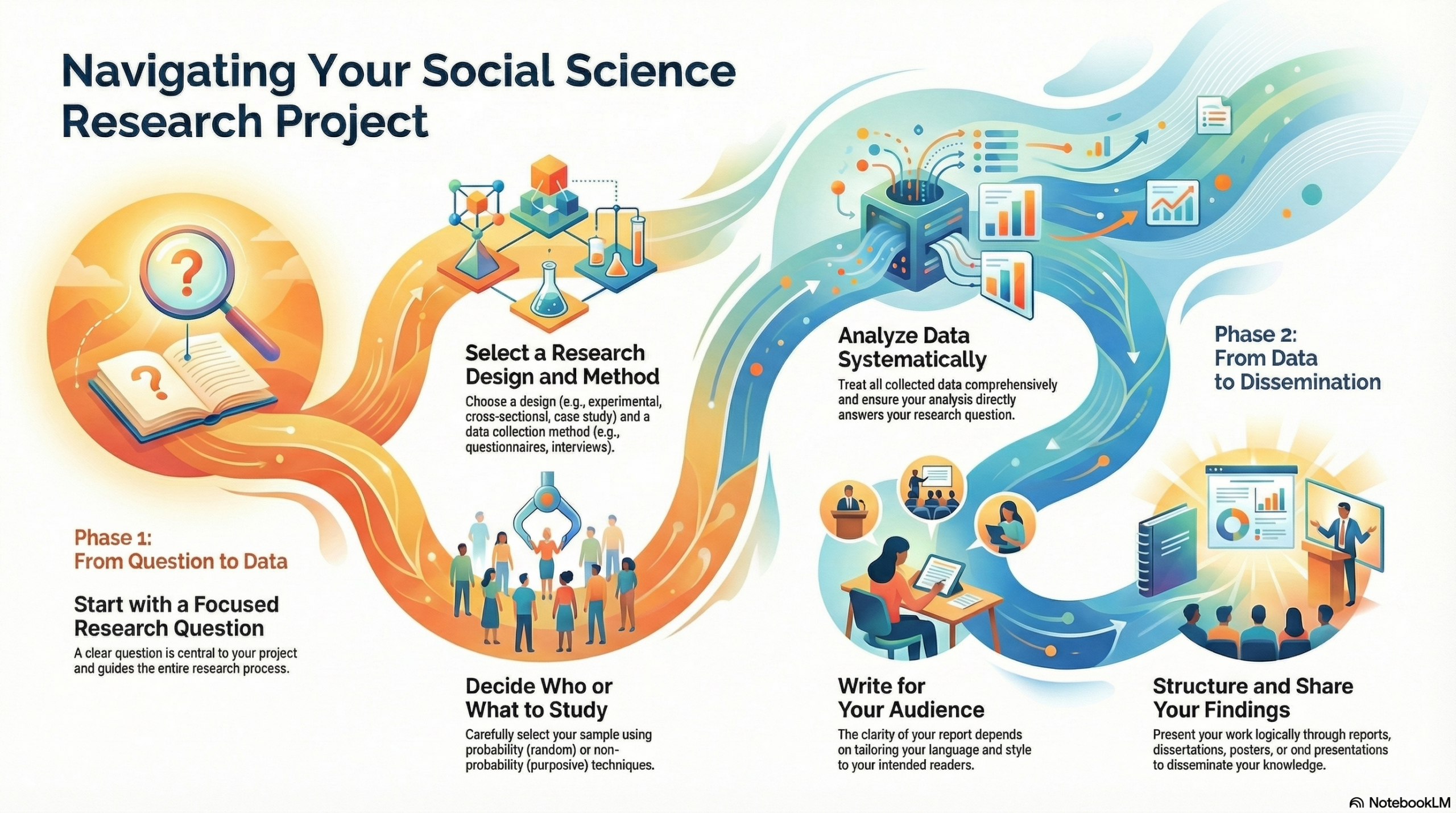

Geef een reactie
Je moet ingelogd zijn op om een reactie te plaatsen.