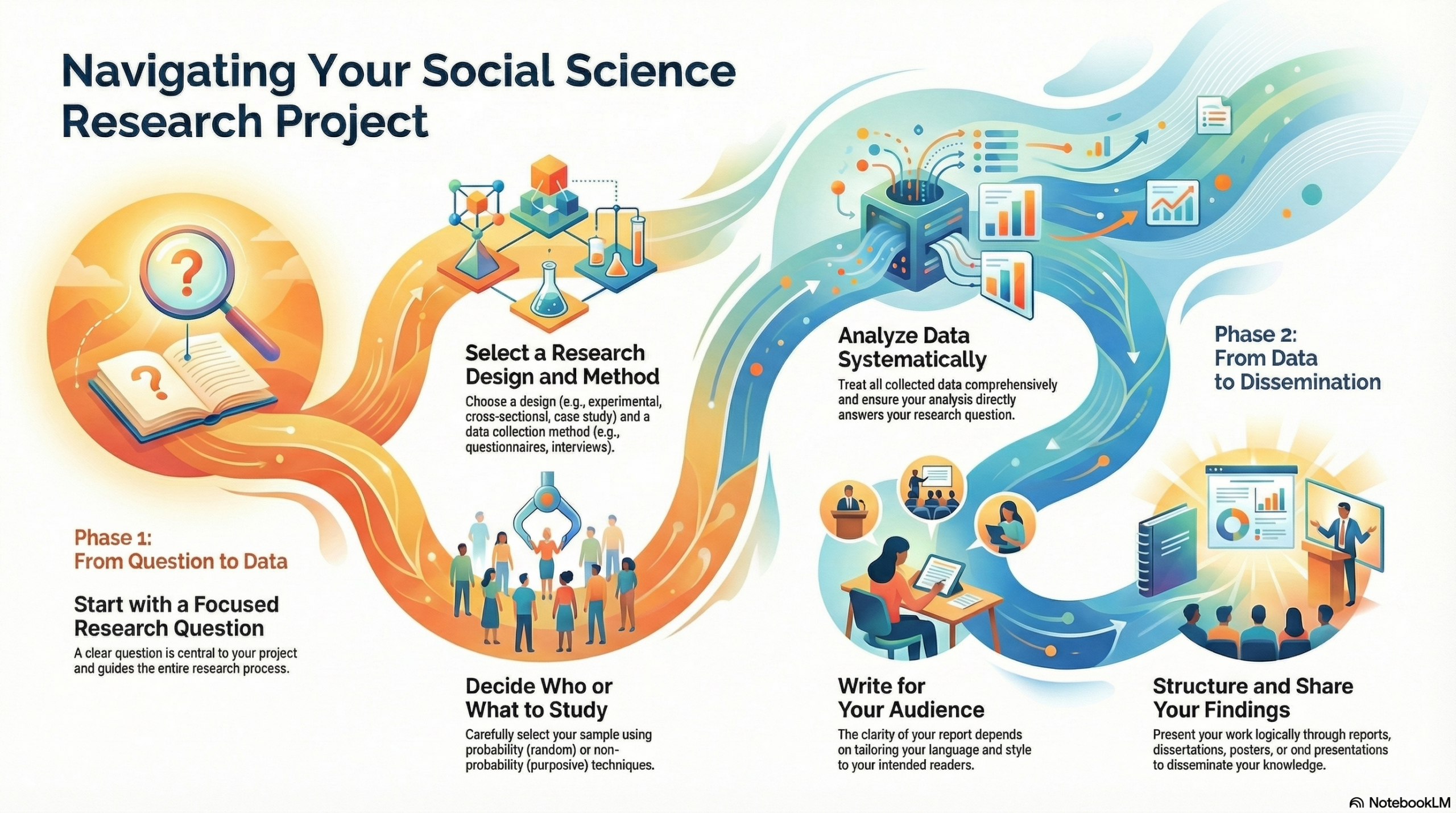
Based on Chapter B6 Bob Matthews and Liz Ross
-
How to Cite Other Authors:
A Practical Guide for Media Students
Frank Weissman,
Whether you’re writing a research paper, production report, script analysis, or academic blogpost, citing your sources correctly is essential. In media studies, referencing isn’t just a bureaucratic requirement—it shows academic honesty, strengthens your arguments, and lets others trace your ideas back to reliable sources.
In this guide, you’ll learn the most common citation methods, see side-by-side examples, and understand how to incorporate sources smoothly into your writing.
Why Do We Cite?
You cite to:
- Give credit to original creators
- Strengthen your credibility
- Avoid plagiarism
- Show the depth of your research
- Allow readers to find the original source
Citing properly is a professional skill—one you’ll also use in scriptwriting, journalism, production reports, and academic essays
The Main Citation Method
three ways commonly used in academic writing:
- Direct quotation (short quote)
- Block quotation (long quote)
- Paraphrasing
- Summarising
For each method, you’ll get:
- The original text
- The APA reference
- An example of the correctly cited version in your writing
Direct Quotation (Short Quote)
Use when you want to reproduce the author’s exact words (under 40 words in APA style).
Original Text
“The relationship between audiences and media platforms has fundamentally changed, with participation becoming a key element of modern media cultures.”
(Jenkins, 2006, p. 3)
How to cite it in your text (APA, short quote)
Parenthetical citation:
Media usage has changed significantly, as “participation [has become] a key element of modern media cultures” (Jenkins, 2006, p. 3).
Narrative citation:
Jenkins (2006) argues that “participation [has become] a key element of modern media cultures” (p. 3).
Block Quotation (Long Quote)
Use for quotes 40+ words. The text starts on a new line, indented, without quotation marks.
Original Text (long)
“Transmedia storytelling represents a process where integral elements of a fiction get dispersed systematically across multiple delivery channels for the purpose of creating a unified and coordinated entertainment experience. Ideally, each medium makes its own unique contribution to the unfolding of the story.”
(Jenkins, 2007, p. 1)
How to cite it in your text (APA, block quote)
Jenkins (2007) describes the concept of transmedia storytelling as:
Transmedia storytelling represents a process where integral elements of a fiction get dispersed systematically across multiple delivery channels for the purpose of creating a unified and coordinated entertainment experience. Ideally, each medium makes its own unique contribution to the unfolding of the story. (p. 1)
Paraphrasing (Restating in Your Own Words)
Paraphrasing is not shorter; it is expressing the same idea with new wording. Use it most of the time to keep your writing smooth.
Original Text
“Participatory culture shifts the role of audiences from passive consumers to active contributors.”
(Jenkins, 2009, p. 12)
Paraphrased (APA)
In a participatory culture, audiences no longer simply consume content but actively shape and expand it (Jenkins, 2009)
Summarising (Condensing the Idea)
Summaries reduce the original idea to its core message. Useful when you want to capture the broader concept rather than specific wording.
Original Text
In The Long Tail, Anderson argues that digital distribution enables media industries to profit from selling small quantities of a huge number of niche products, rather than relying solely on big hits.
(Anderson, 2004)
Summary (APA)
Anderson (2004) explains that digital markets make it profitable to sell niche products instead of focusing only on mainstream hits.
Tips for Media Students
- Use quotations sparingly—your work should contain more analysis than quoted text.
- Paraphrase when possible; quote only when wording is unique or powerful.
- Always include a reference list at the end.
- Keep track of your sources while researching to avoid confusion later.
Final Reference List (APA 7th Edition)
Anderson, C. (2004). The long tail: Why the Future of Business is selling less of more. Hyperion.
Jenkins, H. (2006). Fans, bloggers, and gamers: Exploring participatory culture. New York University Press.
Jenkins, H. (2007). Transmedia storytelling 101. Henry Jenkins Official Blog. https://henryjenkins.org
(If this were a real assignment, include the working URL.)
Jenkins, H. (2009). Confronting the challenges of participatory culture: Media education for the 21st century. MIT Press.
-
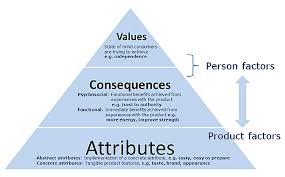
Overview of Laddering Theory
Laddering Theory, Method, Analysis, and Interpretation by Thomas J. Reynolds and Jonathan Gutman is a foundational framework in qualitative research, particularly within consumer behavior studies. Below is an overview of the key aspects of this theory and methodology:
Overview of Laddering Theory
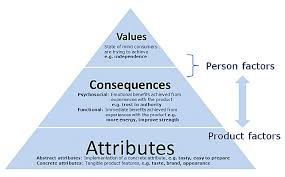
Laddering is a qualitative research technique designed to uncover the deeper motivations, values, and decision-making processes underlying consumer behavior. It is rooted in the Means-End Chain Theory, which posits that consumers make choices based on a hierarchy of perceptions involving three levels:
- Attributes (A): The tangible or intangible features of a product or service.
- Consequences (C): The outcomes or benefits derived from those attributes.
- Values (V): The personal values or life goals that these consequences serve[1][4].
The laddering process seeks to identify the connections between these levels (A → C → V) to understand how products or services align with consumers’ personal values.
Methodology
The laddering technique involves in-depth, one-on-one interviews using a structured probing approach. The primary question format revolves around asking “Why is that important to you?” repeatedly to move from surface-level attributes to deeper values. This process creates a “ladder” of associations for each respondent[1][2][4].
Steps in Laddering:
- Eliciting Attributes: Start by identifying the key features that differentiate a product or service.
- Identifying Consequences: Probe to understand the benefits or outcomes associated with these attributes.
- Uncovering Values: Further probe to reveal the personal values tied to these consequences.
Data Analysis
- Responses are analyzed using content analysis techniques to summarize key elements at each level of abstraction (A, C, V).
- Results are visualized through a Hierarchical Value Map (HVM), which graphically represents the dominant linkages across attributes, consequences, and values[1][4].
Applications
The laddering method has been widely applied in marketing and consumer research to:
- Develop effective branding strategies.
- Understand consumer decision-making processes.
- Identify opportunities for product innovation.
It provides insights into how consumers perceive products in relation to their self-concept and life goals, enabling businesses to align their offerings with consumer values[1][2][6].
Contributions by Reynolds and Gutman
- Thomas J. Reynolds: A professor and researcher specializing in strategic positioning and communication options.
- Jonathan Gutman: A marketing professor focused on developing and applying Means-End Chain methodology.
Their work has been instrumental in advancing both academic and practical applications of laddering as a robust tool for understanding consumer behavior[4].
Citations:
[1] https://is.muni.cz/el/1456/jaro2013/MPH_MVPS/39278324/LadderingTheoy_original.pdf
[2] https://www.data-panda.com/post/laddering-technique-and-5-whys
[3] https://www.businessballs.com/personal-relationships/ladder-theory-of-sexual-relationships/
[4] https://ngovietliem.com/wp-content/uploads/2022/12/Reading-3.3-Laddering-theory.pdf
[5] https://www.semanticscholar.org/paper/Laddering-theory,-method,-analysis,-and-Reynolds-Gutman/33bef1faa5f75fd54f527f95b9d1e2e4c9dd5b7b
[6] https://www.researchgate.net/publication/229053675_Discussing_laddering_application_by_the_means-end_chain_theory
[7] https://asana.com/ko/resources/ladder-of-inference
[8] https://www.studocu.com/it/document/universita-di-bologna/marketing/reynoldsladderingtheory/8042519
[9] https://media.almashhad.com/archive/1698749822629_wEaGz.pdf
[10] https://thesystemsthinker.com/the-ladder-of-inference/ -

Loss Aversion in Marketing:
Loss aversion, a cornerstone of behavioral economics, profoundly impacts consumer decision-making in marketing. It describes the tendency for individuals to feel the pain of a loss more strongly than the pleasure of an equivalent gain (Peng, 2025), (Frank, NaN), (Mrkva, 2019). This psychological principle, far from being a niche concept, permeates various aspects of consumer behavior, offering marketers powerful insights into shaping persuasive campaigns and optimizing strategies. This explanation will delve into the intricacies of loss aversion, exploring its neural underpinnings, its manifestation in diverse marketing contexts, and its implications for crafting effective marketing strategies.
Understanding the Neural Basis of Loss Aversion:
The phenomenon isn’t simply a matter of subjective preference; it has a demonstrable biological basis. Neuroscientific research, such as that conducted by Michael Frank, Adriana Galvan, Marisa Geohegan, Eric Johnson, and Matthew Lieberman (Frank, NaN), reveals that distinct neural networks respond differently to potential gains and losses. Their fMRI study showed that a broad neural network, including midbrain dopaminergic regions and their limbic and cortical targets, exhibited increasing activity as potential gains increased. Conversely, an overlapping set of regions showed decreasing activity as potential losses increased (Frank, NaN). This asymmetry in neural response underscores the heightened sensitivity to potential losses, providing a neurological foundation for the behavioral phenomenon of loss aversion. Further research by C. Eliasmith, A. Litt, and Paul Thagard (Eliasmith, NaN) delves into the interplay between cognitive and affective processes, suggesting a modulation of reward valuation by emotional arousal, influenced by stimulus saliency (Eliasmith, NaN). Their model proposes a dopamine-serotonin opponency in reward prediction error, influencing both cognitive planning and emotional state (Eliasmith, NaN). This neural model offers a biologically plausible explanation for the disproportionate weight given to losses in decision-making. The work of Benedetto De Martino, Colin F. Camerer, and Ralph Adolphs (Martino, 2010) further supports this neurobiological connection by demonstrating that individuals with amygdala damage exhibit reduced loss aversion (Martino, 2010), highlighting the amygdala’s crucial role in processing and responding to potential losses. The study by Zoe Guttman, D. Ghahremani, J. Pochon, A. Dean, and E. London (Guttman, 2021) adds another layer to this understanding by linking age-related changes in the posterior cingulate cortex thickness to variations in loss aversion (Guttman, 2021). This highlights the complex interplay between biological factors, cognitive processes, and the manifestation of loss aversion.
Loss Aversion in Marketing Contexts:
The implications of loss aversion are far-reaching in marketing. Marketers can leverage this bias to enhance consumer engagement and drive sales (Peng, 2025), (Zheng, 2024). Kedi Peng’s research (Peng, 2025) highlights the effectiveness of framing choices to emphasize potential losses rather than gains (Peng, 2025). For instance, promotional sales often emphasize the limited-time nature of discounts, creating a sense of urgency and fear of missing out (FOMO), thereby triggering a stronger response than simply highlighting the potential gains (Peng, 2025), (Zheng, 2024). This FOMO taps directly into loss aversion, motivating consumers to make impulsive purchases to avoid perceived losses (Peng, 2025), (Zheng, 2024), (Hwang, 2024). Luojie Zheng’s work (Zheng, 2024) further underscores the power of loss aversion in attracting and retaining customers (Zheng, 2024), demonstrating its effectiveness in both short-term sales boosts and long-term customer relationship building (Zheng, 2024). The application extends beyond promotional sales. Money-back guarantees and free trials (Soosalu, NaN) capitalize on loss aversion by allowing consumers to experience a product without the immediate commitment of a purchase, reducing the perceived risk of loss (Soosalu, NaN). The feeling of ownership, even partial ownership, can significantly increase perceived value and reduce the likelihood of return (Soosalu, NaN), as consumers become emotionally attached to the product and are averse to losing it (Soosalu, NaN). This principle is also evident in online auctions, where the psychological ownership developed during the bidding process drives prices higher than they might otherwise be (Soosalu, NaN).
Moderators of Loss Aversion:
While loss aversion is a robust phenomenon, its impact is not uniform across all consumers. Several factors can moderate its influence (Mrkva, 2019). Kellen Mrkva, Eric J. Johnson, S. Gaechter, and A. Herrmann (Mrkva, 2019) identified domain knowledge, experience, and education as key moderators (Mrkva, 2019). Consumers with more domain knowledge tend to exhibit lower levels of loss aversion (Mrkva, 2019), suggesting that informed consumers are less susceptible to manipulative marketing tactics that emphasize potential losses. Age also plays a role, with older consumers generally displaying greater loss aversion (Mrkva, 2019), influencing their responses to marketing messages and promotions (Mrkva, 2019). This suggests the need for tailored marketing strategies targeted at different demographic segments, considering their varying levels of susceptibility to loss aversion. The research by Michael S. Haigh and John A. List (Haigh, 2005) further supports this idea by comparing the loss aversion exhibited by professional traders and students (Haigh, 2005). Their findings revealed differences in loss aversion between these groups, highlighting the influence of experience and expertise on this psychological bias (Haigh, 2005). The impact of market share, as highlighted by M. Kallio and M. Halme (Kallio, NaN), also adds another layer of complexity (Kallio, NaN). Their research redefines loss aversion in terms of demand response rather than value response, introducing the concept of a reference price and highlighting market share as a significant factor influencing price behavior (Kallio, NaN). This emphasizes the importance of considering market dynamics and consumer expectations when analyzing loss aversion’s impact.
Loss Aversion and Pricing Strategies:
Loss aversion significantly influences consumer price sensitivity (Genesove, 2001), (Biondi, 2020), (Koh, 2025). David Genesove and Christopher Mayer (Genesove, 2001) demonstrate this in the housing market, where sellers experiencing nominal losses set asking prices significantly higher than expected market values (Genesove, 2001), reflecting their reluctance to realize losses (Genesove, 2001). This reluctance is even more pronounced among owner-occupants compared to investors (Genesove, 2001), highlighting the psychological influence on pricing decisions (Genesove, 2001). Beatrice Biondi and L. Cornelsen (Biondi, 2020) explore the reference price effect in online and traditional supermarkets (Biondi, 2020), finding that loss aversion plays a role in both settings but is less pronounced in online choices (Biondi, 2020). This suggests that the context of the purchase significantly influences the impact of loss aversion on consumer behavior. Daniel Koh and Zulklifi Jalil (Koh, 2025) introduce the Loss Aversion Distribution (LAD) model (Koh, 2025), a novel approach to understanding time-sensitive decision-making behaviors influenced by loss aversion (Koh, 2025). This model provides actionable insights for optimizing pricing strategies by capturing how perceived value diminishes over time, particularly relevant for perishable goods and time-limited offers (Koh, 2025). The work by Botond Kőszegi and Matthew Rabin (Kszegi, 2006) develops a model of reference-dependent preferences, incorporating loss aversion and highlighting how consumer expectations about outcomes impact their willingness to pay (Kszegi, 2006). Their research emphasizes the influence of market price distribution and anticipated behavior on consumer decisions, adding complexity to the understanding of pricing strategies (Kszegi, 2006). The study by Yawen Zhang, B. Li, and Ruidong Zhao (Zhang, 2021) further expands on this by examining the impact of loss aversion on pricing strategies in advance selling, showing that higher loss aversion leads to lower prices (Zhang, 2021).
Loss Aversion and Marketing Messages:
The way information is framed significantly affects consumer responses (Camerer, 2005), (Orivri, 2024), (Chuah, 2011), (Lin, 2023). Colin F. Camerer (Camerer, 2005) emphasizes the importance of prospect theory, where individuals evaluate outcomes relative to a reference point, making losses more impactful than equivalent gains (Camerer, 2005). This understanding is crucial for crafting effective marketing messages (Camerer, 2005). The study by Glory E. Orivri, Bachir Kassas, John Lai, Lisa House, and Rodolfo M. Nayga (Orivri, 2024) explores the impact of gain and loss framing on consumer preferences for gene editing (Orivri, 2024), finding that both frames can reduce aversion but that gain framing is more effective (Orivri, 2024). SweeHoon Chuah and James F. Devlin (Chuah, 2011) highlight the importance of understanding loss aversion in improving marketing strategies for financial services (Chuah, 2011). Jingwen Lin’s research (Lin, 2023) emphasizes the influence of various cognitive biases, including loss aversion, on consumer decision-making, illustrating real-world cases where loss aversion has affected consumer choices (Lin, 2023). This research underscores the significance of addressing cognitive biases like loss aversion to improve decision-making in marketing contexts (Lin, 2023). The research by Mohammed Abdellaoui, Han Bleichrodt, and Corina Paraschiv (Abdellaoui, 2007) further emphasizes the importance of accurately measuring utility for both gains and losses to create effective marketing tactics (Abdellaoui, 2007). Their parameter-free measurement of loss aversion within prospect theory provides a more nuanced understanding of consumer preferences (Abdellaoui, 2007). The study by Peter Sokol-Hessner, Ming Hsu, Nina G. Curley, Mauricio R. Delgado, Colin F. Camerer, and Elizabeth A. Phelps (SokolHessner, 2009) suggests that perspective-taking strategies can reduce loss aversion, implying that reframing losses can influence consumer choices (SokolHessner, 2009). This highlights the potential for marketers to use cognitive strategies to mitigate the negative impact of loss aversion. The research by Ola Andersson, Hkan J. Holm, Jean-Robert Tyran, and Erik Wärneryd (Andersson, 2014) further supports this by showing that deciding for others reduces loss aversion (Andersson, 2014), suggesting that framing decisions in a social context might also alleviate the impact of this bias (Andersson, 2014).
Loss Aversion across Generations and Demographics:
Loss aversion is not experienced uniformly across all demographics. Thomas Edward Hwang’s research (Hwang, 2024) explores generational differences in loss aversion and responses to limited-time discounts (Hwang, 2024). Their findings highlight varying levels of impulse buying and calculated decision-making across Baby Boomers, Gen X, Millennials, and Gen Z, influenced by urgency marketing (Hwang, 2024). This underscores the importance of tailoring marketing strategies to resonate with generational preferences and sensitivities to loss (Hwang, 2024). Aaryan Kayal’s study (Kayal, 2024) specifically addresses cognitive biases, including loss aversion, in the financial decisions of teenagers (Kayal, 2024), highlighting the importance of understanding loss aversion when designing marketing strategies targeted at younger demographics (Kayal, 2024). Simon Gaechter, Eric J. Johnson, and Andreas Herrmann (Gaechter, 2007) found a significant correlation between loss aversion and demographic factors such as age, income, and wealth (Gaechter, 2007), indicating that marketing strategies should be tailored to specific consumer segments based on these factors (Gaechter, 2007). Sudha V Ingalagi and Mamata (Ingalagi, 2024) also investigated the influence of gender and risk perception on loss aversion in investment decisions, suggesting that similar principles could be applied to consumer behavior in marketing contexts (Ingalagi, 2024). Their research highlights the importance of considering these variables when designing marketing campaigns (Ingalagi, 2024). The research by J. Nicolau, Hakseung Shin, Bora Kim, and J. F. O’Connell (Nicolau, 2022) demonstrates how loss aversion impacts passenger behavior in airline pricing strategies, with business passengers showing a greater reaction to loss aversion than economy passengers (Nicolau, 2022). This suggests that different customer segments exhibit varying degrees of sensitivity to losses, impacting the effectiveness of marketing strategies (Nicolau, 2022).
Loss Aversion in Specific Marketing Scenarios:
The principle of loss aversion finds application in various marketing scenarios beyond simple pricing and promotional strategies. The research by Wentao Zhan, Wenting Pan, Yi Zhao, Shengyu Zhang, Yimeng Wang, and Minghui Jiang (Zhan, 2023) explores how loss aversion affects customer decisions regarding return-freight insurance (RI) in e-retailing (Zhan, 2023). Their findings indicate that higher loss sensitivity leads to reduced willingness to purchase RI, impacting e-retailer profitability (Zhan, 2023). This highlights the importance of considering loss aversion when designing return policies and insurance options (Zhan, 2023). Qin Zhou, Kum Fai Yuen, and Yu-ling Ye (Zhou, 2021) examine the impact of loss aversion and brand loyalty on competitive trade-in strategies (Zhou, 2021), showing that firms recognizing consumer loss aversion can increase profits compared to those that don’t (Zhou, 2021). However, they also find that both loss aversion and brand loyalty negatively affect consumer surplus (Zhou, 2021), suggesting a complex interplay between business strategies and consumer welfare (Zhou, 2021). The research by Junjie Lin (Lin, 2024) explores the impact of loss aversion in real estate and energy conservation decisions (Lin, 2024), demonstrating how the fear of loss influences consumer choices in these areas (Lin, 2024). This suggests that similar principles might apply to other marketing fields where consumers make significant financial commitments (Lin, 2024). The study by Jiaying Xu, Qingfeng Meng, Yuqing Chen, and Zhao Jia (Xu, 2023) examines loss aversion’s impact on pricing decisions in product recycling within green supply chain operations (Xu, 2023), demonstrating that understanding consumer loss aversion can improve economic efficiency and resource conservation in marketing efforts (Xu, 2023). This highlights the applicability of loss aversion principles to sustainable marketing practices (Xu, 2023). The study by Yashi Lin, Jiaxuan Wang, Zihao Luo, Shaojun Li, Yidan Zhang, and B. Wünsche (Lin, 2023) investigates how loss aversion can be used to increase physical activity in augmented reality (AR) exergames (Lin, 2023), suggesting that this principle can be applied beyond traditional marketing contexts to encourage healthy behaviors (Lin, 2023). The research by Roland G. Fryer, Steven D. Levitt, John A. List, and Sally Sadoff (Fryer, 2012) demonstrates the effectiveness of pre-paid incentives leveraging loss aversion to improve teacher performance (Fryer, 2012), which highlights the potential of this principle in motivational contexts beyond consumer marketing (Fryer, 2012). Zhou Yong-wu and L. Ji-cai (Yong-wu, NaN) analyze the joint decision-making process of loss-averse retailers regarding advertising and order quantities (Yong-wu, NaN), showing that loss aversion influences both advertising spending and inventory management (Yong-wu, NaN). This suggests that loss aversion impacts various aspects of retail marketing strategies (Yong-wu, NaN). Lei Jiang’s research (Jiang, 2018), (Jiang, 2018), (Jiang, NaN) consistently explores the impact of loss aversion on retailers’ decision-making processes, analyzing advertising strategies in both cooperative and non-cooperative scenarios (Jiang, 2018), (Jiang, 2018), (Jiang, NaN) and highlighting how loss aversion influences order quantities and advertising expenditures (Jiang, 2018), (Jiang, NaN). This work consistently demonstrates the pervasive influence of loss aversion on various aspects of retail marketing and supply chain management. The research by Shaofu Du, Huifang Jiao, Rongji Huang, and Jiaang Zhu (Du, 2014) examines supplier decision-making behaviors during emergencies, considering consumer risk perception and loss aversion (Du, 2014). Although not directly focused on marketing, it highlights the broader impact of loss aversion on decision-making under conditions of uncertainty (Du, 2014). C. Lan and Jianfeng Zhu (Lan, 2021) explore the impact of loss aversion on consumer decisions in new product presale strategies in the e-commerce supply chain (Lan, 2021), demonstrating that understanding loss aversion can inform optimal pricing strategies (Lan, 2021). This research highlights the importance of considering consumer psychology when designing presale campaigns (Lan, 2021). The research by Shuang Zhang and Yueping Du (Zhang, 2025) applies evolutionary game theory to analyze dual-channel pricing decisions, incorporating consumer loss aversion (Zhang, 2025). Their findings suggest that a decrease in consumer loss aversion leads to more consistent purchasing behavior, impacting manufacturers’ strategies (Zhang, 2025). This study demonstrates the importance of considering behavioral economics in marketing tactics (Zhang, 2025). The study by R. Richardson (Richardson, NaN) examines the moderating role of social networks on loss aversion, highlighting how socially embedded exchanges amplify the effects of loss aversion on consumer-brand relationships (Richardson, NaN). This research underscores the importance of understanding social influence when designing marketing strategies that consider loss aversion (Richardson, NaN). Finally, Hanshu Zhuang’s work (Zhuang, 2023) explores the relationship between customer loyalty and status quo bias, which is closely tied to loss aversion, highlighting the importance of considering loss aversion when designing loyalty programs and marketing strategies that aim to retain customers (Zhuang, 2023).
Addressing Loss Aversion in Marketing Strategies:
Understanding loss aversion allows marketers to design more effective campaigns. By framing messages to emphasize potential losses, marketers can tap into consumers’ heightened sensitivity to negative outcomes, driving stronger responses than simply highlighting potential gains (Peng, 2025), (Zheng, 2024). This approach can be applied to various marketing elements, including pricing, promotions, and product messaging. However, it’s crucial to employ ethical and responsible marketing practices, avoiding manipulative tactics that exploit consumer vulnerabilities (Zamfir, 2024), (Dam, NaN). The research by Y. K. Dam (Dam, NaN) suggests that negative labelling (highlighting potential losses from unsustainable consumption) can be more effective than positive labelling (highlighting gains from sustainable consumption) in promoting sustainable consumer behavior (Dam, NaN). This research emphasizes the importance of understanding the psychological mechanisms behind consumer choices when designing marketing strategies that promote socially responsible behaviors (Dam, NaN). The paper by Christopher McCusker and Peter J. Carnevale (McCusker, 1995) examines how framing resource dilemmas influences decision-making and cooperation, highlighting the impact of loss aversion on cooperative behavior (McCusker, 1995). This research suggests that understanding loss aversion can improve marketing approaches and decision-making in various fields (McCusker, 1995). The study by Midi Xie (Xie, 2023) investigates the influence of status quo bias and loss aversion on consumer choices, using the Coca-Cola’s new Coke launch as a case study (Xie, 2023). This research emphasizes the importance of considering consumer reluctance to change when introducing new products (Xie, 2023). The research by Peter Sokol-Hessner, Colin F. Camerer, and Elizabeth A. Phelps (SokolHessner, 2012) indicates that emotion regulation strategies can reduce loss aversion (SokolHessner, 2012), suggesting that marketers can potentially influence consumers’ emotional responses to mitigate the impact of loss aversion (SokolHessner, 2012). The research by K. Selim, A. Okasha, and Heba M. Ezzat (Selim, 2015) explores loss aversion in the context of asset pricing and financial markets, finding that loss aversion can improve market quality and stability (Selim, 2015). While not directly related to marketing, this research suggests that understanding loss aversion can lead to more stable and efficient market outcomes (Selim, 2015). The study by Michael Neel (Neel, 2025) examines the impact of country-level loss aversion on investor responses to earnings news, finding that investors in more loss-averse countries are more sensitive to bad news (Neel, 2025). Although not directly marketing-related, this research illustrates the cross-cultural variations in loss aversion and its implications for investment decisions (Neel, 2025). The work by Artina Kamberi and Shenaj Haxhimustafa (Kamberi, 2024) investigates the impact of loss aversion on investment decision-making, considering demographic factors and financial literacy (Kamberi, 2024). While not directly marketing-focused, this research provides insights into how loss aversion influences risk preferences and investment choices (Kamberi, 2024). Finally, the research by Glenn Dutcher, Ellen Green, and B. Kaplan (Dutcher, 2020) explores how framing (gain vs. loss) in messages influences decision-making regarding organ donations (Dutcher, 2020), demonstrating the effectiveness of loss-framed messages in increasing commitment to donation (Dutcher, 2020). This highlights the power of framing in influencing decisions, a principle applicable to various marketing contexts (Dutcher, 2020). The research by Qi Wang, L. Wang, Xiaohang Zhang, Yunxia Mao, and Peng Wang (Wang, 2017) examines how the presentation of online reviews can evoke loss aversion, affecting consumer purchase intention and delay (Wang, 2017). This work highlights the importance of considering the psychological impact of information presentation when designing online marketing strategies (Wang, 2017). The research by Mauricio R. Delgado, A. Schotter, Erkut Y. Ozbay, and E. Phelps (Delgado, 2008) investigates why people overbid in auctions, linking it to the neural circuitry of reward and loss contemplation (Delgado, 2008). This research demonstrates how framing options to emphasize potential loss can heighten bidding behavior, illustrating principles of loss aversion in a tangible context (Delgado, 2008). Finally, the research by Zhilin Yang and Robin T. Peterson (Yang, 2004) examines the moderating effects of switching costs on customer satisfaction and perceived value, which can indirectly relate to loss aversion as switching costs can represent a perceived loss for customers (Yang, 2004).
Loss aversion is a powerful and pervasive psychological force that significantly influences consumer behavior in marketing. Understanding its neural underpinnings and its manifestation across various contexts, demographics, and marketing strategies is essential for creating effective and ethical campaigns. By acknowledging and strategically addressing loss aversion, marketers can design more persuasive messages, optimize pricing strategies, and foster stronger consumer engagement. However, it is equally crucial to employ these insights responsibly, avoiding manipulative tactics that exploit consumer vulnerabilities. A thorough understanding of loss aversion empowers marketers to create campaigns that resonate deeply with consumers while upholding ethical standards. Further research into the nuances of loss aversion, its interaction with other cognitive biases, and its cross-cultural variations will continue to refine our understanding and its application in marketing.
References
Abdellaoui, M., Bleichrodt, H., & Paraschiv, C. (2007). Loss aversion under prospect theory: a parameter-free measurement. Institute for Operations Research and the Management Sciences. https://doi.org/10.1287/mnsc.1070.0711
Andersson, O., Holm, H. J., Tyran, J., & Wengstrm, E. (2014). Deciding for others reduces loss aversion. Institute for Operations Research and the Management Sciences. https://doi.org/10.1287/mnsc.2014.2085
Biondi, B. & Cornelsen, L. (2020). Reference price effect on consumer choicein online and traditional supermarkets: anapplication of discrete choice model onhome scan data. None. https://doi.org/10.6092/UNIBO/AMSACTA/6424
Camerer, C. F. (2005). Three cheerspsychological, theoretical, empiricalfor loss aversion. SAGE Publishing. https://doi.org/10.1509/jmkr.42.2.129.62286
Chuah, S. & Devlin, J. F. (2011). Behavioural economics and financial services marketing: a review. Emerald Publishing Limited. https://doi.org/10.1108/02652321111165257
Dam, Y. K. (NaN). Sustainable consumption and marketing. None. https://doi.org/10.18174/370623
Delgado, M. R., Schotter, A., Ozbay, E. Y., & Phelps, E. (2008). Understanding overbidding: using the neural circuitry of reward to design economic auctions. Science. https://doi.org/10.1126/science.1158860
Du, S., Jiao, H., Huang, R., & Zhu, J. (2014). Emergency-dependent supply decisions with risk perception and price control. None. https://doi.org/10.1155/2014/965395
Dutcher, G., Green, E., & Kaplan, B. (2020). Using behavioral economics to increase transplantation through commitments to donate.. Transplantation. https://doi.org/10.1097/TP.0000000000003182
Eliasmith, C., Litt, A., & Thagard, P. (NaN). Why losses loom larger than gains: modeling neural mechanisms of cognitive-affective interaction. None. https://doi.org/None
Frank, M., Galvan, A., Geohegan, M., Johnson, E., & Lieberman, M. (NaN). Supplementary materials for : losses loom larger than gains in the brain : neural loss aversion predicts behavioral loss aversion. None. https://doi.org/None
Fryer, R. G., Levitt, S. D., List, J. A., & Sadoff, S. (2012). Enhancing the efficacy of teacher incentives through loss aversion: a field experiment. None. https://doi.org/10.3386/w18237
Gaechter, S., Johnson, E. J., & Herrmann, A. (2007). Individual-level loss aversion in riskless and risky choices. RELX Group (Netherlands). https://doi.org/10.2139/ssrn.1010597
Genesove, D. & Mayer, C. (2001). Loss aversion and seller behavior: evidence from the housing market. None. https://doi.org/10.3386/w8143
Guttman, Z., Ghahremani, D., Pochon, J., Dean, A., & London, E. (2021). Age influences loss aversion through effects on posterior cingulate cortical thickness. Frontiers in Neuroscience. https://doi.org/10.3389/fnins.2021.673106
Haigh, M. S. & List, J. A. (2005). Do professional traders exhibit myopic loss aversion? an experimental analysis. Wiley. https://doi.org/10.1111/j.1540-6261.2005.00737.x
Hwang, T. E. (2024). Generational variations in loss aversion: analyzing purchase decisions under limited-time discounts. Journal of World Economy. https://doi.org/10.56397/jwe.2024.12.05
Ingalagi, S. V. & Mamata, (2024). Implications of loss aversion and investment decisions. None. https://doi.org/10.61808/jsrt90
Jiang, L. (2018). Cooperative advertising and order strategy between the risk neutral manufacturer and the loss averse retailer. International Conferences on Computers in Management and Business. https://doi.org/10.1145/3232174.3232188
Jiang, L. (2018). Game in two kinds of situations based on the loss averse retailer. None. https://doi.org/10.1145/3271972.3271999
Jiang, L. (NaN). Supply chain cooperative advertising and ordering model for the loss averse retailer. None. https://doi.org/10.17706/IJAPM.2018.8.3.31-44
Kallio, M. & Halme, M. (NaN). Redefining loss averse and gain seeking. None. https://doi.org/None
Kamberi, A. & Haxhimustafa, S. (2024). Loss aversion: the unseen force shaping investment decisions. None. https://doi.org/10.62792/ut.evision.v11.i21-22.p2705
Kayal, A. (2024). Cognitive biases in financial decisions made by teenagers. INTERANTIONAL JOURNAL OF SCIENTIFIC RESEARCH IN ENGINEERING AND MANAGEMENT. https://doi.org/10.55041/ijsrem37474
Koh, D. & Jalil, Z. (2025). An application framework for the loss aversion distribution: insights for marketing, education, and digital adoption. International journal of business management. https://doi.org/10.5539/ijbm.v20n2p1
Kszegi, B. & Rabin, M. (2006). A model of reference-dependent preferences*. Oxford University Press. https://doi.org/10.1162/qjec.121.4.1133
Lan, C. & Zhu, J. (2021). New product presale strategies considering consumers loss aversion in the e-commerce supply chain. Discrete Dynamics in Nature and Society. https://doi.org/10.1155/2021/8194879
Lin, J. (2023). The impact of anchoring effects, loss aversion, and belief perseverance on consumer decision-making. Advances in Economics, Management and Political Sciences. https://doi.org/10.54254/2754-1169/62/20231321
Lin, J. (2024). Exploring the impact and decisions of loss aversion psychology in the real estate field and energy conservation. Advances in Economics, Management and Political Sciences. https://doi.org/10.54254/2754-1169/2024.18448
Lin, Y., Wang, J., Luo, Z., Li, S., Zhang, Y., & Wnsche, B. (2023). Dragon hunter: loss aversion for increasing physical activity in ar exergames. Australasian Computer Science Week. https://doi.org/10.1145/3579375.3579403
Martino, B. D., Camerer, C. F., & Adolphs, R. (2010). Amygdala damage eliminates monetary loss aversion. National Academy of Sciences. https://doi.org/10.1073/pnas.0910230107
McCusker, C. & Carnevale, P. J. (1995). Framing in resource dilemmas: loss aversion and the moderating effects of sanctions. Elsevier BV. https://doi.org/10.1006/obhd.1995.1015
Mrkva, K., Johnson, E. J., Gaechter, S., & Herrmann, A. (2019). Moderating loss aversion: loss aversion has moderators, but reports of its death are greatly exaggerated. None. https://doi.org/10.1002/jcpy.1156
Neel, M. (2025). Country-level loss aversion and the market response to earnings news. Social Science Research Network. https://doi.org/10.2139/ssrn.4768248
Nicolau, J., Shin, H., Kim, B., & O”Connell, J. F. (2022). The impact of loss aversion and diminishing sensitivity on airline revenue: price sensitivity in cabin classes. Journal of Travel Research. https://doi.org/10.1177/00472875221093014
Orivri, G. E., Kassas, B., Lai, J., House, L., & Nayga, R. M. (2024). The impacts of message framing on consumer preferences for gene editing. Canadian Journal of Agricultural Economics-Revue Canadienne D”Agroeconomie. https://doi.org/10.1111/cjag.12380
Peng, K. (2025). The impact of loss aversion on decision-making in marketing and financial markets. Advances in Economics, Management and Political Sciences. https://doi.org/10.54254/2754-1169/2024.19247
Richardson, R. (NaN). The moderating role of social networks in loss aversion: testing how consumption in network subcultures can strengthen consumer-brand relationships. None. https://doi.org/None
Selim, K., Okasha, A., & Ezzat, H. M. (2015). Loss aversion, adaptive beliefs, and asset pricing dynamics. Advances in Decision Sciences. https://doi.org/10.1155/2015/971269
SokolHessner, P., Camerer, C. F., & Phelps, E. A. (2012). Emotion regulation reduces loss aversion and decreases amygdala responses to losses. University of Oxford. https://doi.org/10.1093/scan/nss002
SokolHessner, P., Hsu, M., Curley, N. G., Delgado, M. R., Camerer, C. F., & Phelps, E. A. (2009). Thinking like a trader selectively reduces individuals” loss aversion. National Academy of Sciences. https://doi.org/10.1073/pnas.0806761106
Soosalu, G. (NaN). O-prime, a new semantic tool. None. https://doi.org/None
Wang, Q., Wang, L., Zhang, X., Mao, Y., & Wang, P. (2017). The impact research of online reviews” sentiment polarity presentation on consumer purchase decision. Information Technology and People. https://doi.org/10.1108/ITP-06-2014-0116
Xie, M. (2023). The influence of status quo bias on the behavior of micro subject. Advances in Economics, Management and Political Sciences. https://doi.org/10.54254/2754-1169/10/20230434
Xu, J., Meng, Q., Chen, Y., & Jia, Z. (2023). Dual-channel pricing decisions for product recycling in green supply chain operations: considering the impact of consumer loss aversion. Multidisciplinary Digital Publishing Institute. https://doi.org/10.3390/ijerph20031792
Yang, Z. & Peterson, R. T. (2004). Customer perceived value, satisfaction, and loyalty: the role of switching costs. Wiley. https://doi.org/10.1002/mar.20030
Yong-wu, Z. & Ji-cai, L. (NaN). Joint decision-making of order quantities and advertising expenditure for loss-averse retailers. None. https://doi.org/None
Zamfir, M. D. (2024). Scarcity effect and consumer decision biases: how urgency influences the perceived value of products. Journal of World Economy. https://doi.org/10.56397/jwe.2024.12.04
Zhan, W., Pan, W., Zhao, Y., Zhang, S., Wang, Y., & Jiang, M. (2023). The optimal decision of e-retailer based on return-freight insurance – considering the loss aversion of customers. Kybernetes. https://doi.org/10.1108/k-07-2023-1187
Zhang, S. & Du, Y. (2025). Application of evolutionary game to analyze dual-channel decisions: taking consumer loss aversion into consideration. Mathematics. https://doi.org/10.3390/math13020234
Zhang, Y., Li, B., & Zhao, R. (2021). Resale or agency: pricing strategy for advance selling in a supply chain considering consumers loss aversion. None. https://doi.org/10.1093/IMAMAN/DPAB012
Zheng, L. (2024). The power of loss aversion: enhancing customer engagement and retention in business. Advances in Economics, Management and Political Sciences. https://doi.org/10.54254/2754-1169/2024.18268
Zhou, Q., Yuen, K. F., & Ye, Y. (2021). The effect of brand loyalty and loss aversion on competitive trade-in strategies. Total Quality Management and Business Excellence. https://doi.org/10.1080/14783363.2021.1933423
Zhuang, H. (2023). Customer loyalty and status quo bias. Advances in Economics, Management and Political Sciences. https://doi.org/10.54254/2754-1169/12/20230655
-
Writing a Research Report
A research report is a structured document that presents the findings of a study or investigation. It typically consists of several key parts, each serving a specific purpose in communicating the research process and results.
The report begins with a title page, which includes the title of the research, author’s name, and institutional affiliation. Following this is an abstract, a concise summary of the entire paper, highlighting the purpose, methods, results, and conclusions. This provides readers with a quick overview of the study’s significance.
The introduction serves as the foundation of the report, presenting the research problem or question, providing relevant background information, and establishing the study’s purpose and significance. It often concludes with a clear thesis statement or research objective.
A literature review typically follows, surveying and evaluating existing research related to the topic. This section helps contextualize the current study within the existing body of knowledge and identifies gaps or areas for further investigation.
The methodology section is crucial, as it explains the research design, data collection methods, and analysis techniques used in the study. It should provide sufficient detail to allow others to replicate the study if desired.
The results section presents the findings of the study, often through text, tables, or figures. It should be objective and organized logically, highlighting key findings and supporting them with appropriate evidence.
The discussion section interprets and analyzes the results, relating them to the research objectives and previous literature. It explores the implications, limitations, and potential future directions of the study.
The conclusion summarizes the main points of the research paper, restates the thesis or research objective, and discusses the overall significance of the findings[4]. It should leave the reader with a clear understanding of the study’s contributions[4].
Finally, the report includes a references section, listing all sources cited in the research paper using a specific citation style. This is essential for acknowledging and giving credit to the works of others.
Some research reports may also include additional sections such as recommendations, which suggest actions based on the findings, and appendices, which provide supplementary information that supports the main text.
I
-
Research Proposals (Chapter B6)
Research proposals play a crucial role in the social sciences, serving as a roadmap for researchers and a tool for gaining approval or funding. Matthews and Ross (2010) emphasize the importance of research proposals in their textbook “Research Methods: A Practical Guide for the Social Sciences,” highlighting their role in outlining the scope, methodology, and significance of a research project.
The choice of research method in social research is a critical decision that depends on various factors, including the research question, available resources, and ethical considerations. Matthews and Ross (2010) discuss several key research methods, including quantitative, qualitative, and mixed methods approaches.
Quantitative methods involve collecting and analyzing numerical data, often using statistical techniques. These methods are particularly useful for testing hypotheses and identifying patterns across large populations. On the other hand, qualitative methods focus on in-depth exploration of phenomena, often using techniques such as interviews, focus groups, or participant observation (Creswell & Creswell, 2018).
Mixed methods research, which combines both quantitative and qualitative approaches, has gained popularity in recent years. This approach allows researchers to leverage the strengths of both methodologies, providing a more comprehensive understanding of complex social phenomena (Tashakkori & Teddlie, 2010).
When choosing a research method, researchers must consider the nature of their research question and the type of data required to answer it effectively. For example, a study exploring the prevalence of a particular behavior might be best suited to a quantitative approach, while an investigation into the lived experiences of individuals might benefit from a qualitative methodology.
Ethical considerations also play a significant role in method selection. Researchers must ensure that their chosen method minimizes harm to participants and respects principles such as informed consent and confidentiality (Israel, 2014).
Structure
Introduction: This section sets the stage for your research by introducing the research problem or topic, clearly stating the research question(s), and outlining the objectives of your project3. It also establishes the context and significance of your research, highlighting its potential contributions and who might benefit from its findings
Literature Review: This section demonstrates your understanding of the existing knowledge and research related to your topic4. It involves critically evaluating relevant literature and synthesizing key themes and findings, providing a foundation for your research questions and methodology.
Methodology/Methods: This crucial section details how you plan to conduct your research4. It outlines the research design, the data collection methods you will employ, and the sampling strategy used to select participants or cases5. The methodology should align with your research questions and the type of data needed to address them.
Dissemination: This section describes how you intend to share your research findings with relevant audiences. It may involve outlining plans for presentations, publications, or other forms of dissemination, ensuring the research reaches those who can benefit from it.
Timetable: A clear timetable provides a realistic timeline for your research project, outlining key milestones and deadlines for each stage, including data collection, analysis, and writing6. It demonstrates your understanding of the time required to complete the research successfully.
References:
Creswell, J. W., & Creswell, J. D. (2018). Research design: Qualitative, quantitative, and mixed methods approaches. Sage publications.
Israel, M. (2014). Research ethics and integrity for social scientists: Beyond regulatory compliance. Sage.
Matthews, B., & Ross, L. (2010). Research methods: A practical guide for the social sciences. Pearson Education.
Tashakkori, A., & Teddlie, C. (Eds.). (2010). Sage handbook of mixed methods in social & behavioral research. Sage.
Citations:
[1] https://www.bol.com/nl/nl/f/research-methods/39340982/
[2] https://search.worldcat.org/title/Research-methods-:-a-practical-guide-for-the-social-sciences/oclc/867911596
[3] https://www.pearson.com/en-gb/subject-catalog/p/research-methods-a-practical-guide-for-the-social-sciences/P200000004950/9781408226186
[4] https://search.worldcat.org/title/Research-methods-:-a-practical-guide-for-the-social-sciences/oclc/780979587
[5] https://www.studeersnel.nl/nl/document/tilburg-university/methodologie-4-ects/summary-research-methods-bob-matthews-liz-ross/109770
[6] https://books.google.com/books/about/Research_Methods.html?id=g2mpBwAAQBAJ
[7] https://books.google.com/books/about/Research_Methods.html?id=7s4ERAAACAAJ
[8] https://academic.oup.com/bjc/article-abstract/52/5/1017/470134?login=false&redirectedFrom=fulltext -
Data Collection (Part C)
Research Methods in Social Research: A Comprehensive Guide to Data Collection
Part C of “Research Methods: A Practical Guide for the Social Sciences” by Matthews and Ross focuses on the critical aspect of data collection in social research. This section provides a comprehensive overview of various data collection methods, their applications, and practical considerations for researchers.
The authors emphasize that data collection is a practical activity, building upon the concept of data as a representation of social reality (Matthews & Ross, 2010). They introduce three key continua to help researchers select appropriate tools for their studies:
- Structured/Semi-structured/Unstructured Data
- Present/Absent Researcher
- Active/Passive Researcher
These continua highlight the complexity of choosing data collection methods, emphasizing that it’s not a simple binary decision but rather a nuanced process considering multiple factors[1].
The text outlines essential data collection skills, including record-keeping, format creation, note-taking, communication skills, and technical proficiency. These skills are crucial for ensuring the quality and reliability of collected data[1].
Chapters C3 through C10 explore specific data collection methods in detail:
- Questionnaires: Widely used for collecting structured data from large samples[1].
- Semi-structured Interviews: Offer flexibility for gathering in-depth data[1].
- Focus Groups: Leverage group dynamics to explore attitudes and opinions[1].
- Observation: Involves directly recording behaviors in natural settings[1].
- Narrative Data: Focuses on collecting and analyzing personal stories[1].
- Documents: Valuable sources for insights into past events and social norms[1].
- Secondary Sources of Data: Utilizes existing datasets and statistics[1].
- Computer-Mediated Communication (CMC): Explores new avenues for data collection in the digital age[1].
Each method is presented with its advantages, disadvantages, and practical considerations, providing researchers with a comprehensive toolkit for data collection.
The choice of research method in social research depends on various factors, including the research question, the nature of the data required, and the resources available. As Bryman (2016) notes in “Social Research Methods,” the selection of a research method should be guided by the research problem and the specific aims of the study[2].
Creswell and Creswell (2018) in “Research Design: Qualitative, Quantitative, and Mixed Methods Approaches” emphasize the importance of aligning the research method with the philosophical worldview of the researcher and the nature of the inquiry[3]. They argue that the choice between qualitative, quantitative, or mixed methods approaches should be informed by the research problem and the researcher’s personal experiences and worldviews.
Part C of Matthews and Ross’s “Research Methods: A Practical Guide for the Social Sciences” provides a comprehensive foundation for understanding and implementing various data collection methods in social research. By considering the three key continua and exploring the range of available methods, researchers can make informed decisions about the most appropriate approaches for their specific research questions and contexts.
References:
Matthews, B., & Ross, L. (2010). Research methods: A practical guide for the social sciences. Pearson Education.
Bryman, A. (2016). Social research methods. Oxford University Press.
Creswell, J. W., & Creswell, J. D. (2018). Research design: Qualitative, quantitative, and mixed methods approaches. Sage publications.
Citations:
[1] https://www.bol.com/nl/nl/f/research-methods/39340982/
[2] https://search.worldcat.org/title/Research-methods-:-a-practical-guide-for-the-social-sciences/oclc/867911596
[3] https://www.pearson.com/en-gb/subject-catalog/p/research-methods-a-practical-guide-for-the-social-sciences/P200000004950/9781408226186
[4] https://search.worldcat.org/title/Research-methods-:-a-practical-guide-for-the-social-sciences/oclc/780979587
[5] https://www.studeersnel.nl/nl/document/tilburg-university/methodologie-4-ects/summary-research-methods-bob-matthews-liz-ross/109770
[6] https://books.google.com/books/about/Research_Methods.html?id=g2mpBwAAQBAJ
[7] https://books.google.com/books/about/Research_Methods.html?id=7s4ERAAACAAJ
[8] https://academic.oup.com/bjc/article-abstract/52/5/1017/470134?login=false&redirectedFrom=fulltext -
Research Design (Chapter B3)
Research Methods in Social Research: Choosing the Right Approach
The choice of research method in social research is a critical decision that shapes the entire study. Matthews and Ross (2010) emphasize the importance of aligning the research method with the research questions and objectives. They discuss various research methods, including experimental designs, quasi-experimental designs, cross-sectional studies, longitudinal studies, and case studies.
Experimental designs, while offering strong causal inferences, are often challenging to implement in social research due to the complexity of real-world situations[1]. Quasi-experimental designs provide a more practical alternative, allowing researchers to approximate experimental conditions in natural settings[1].
Cross-sectional studies offer a snapshot of a phenomenon at a specific point in time, useful for describing situations or comparing groups[1]. In contrast, longitudinal studies track changes over time, providing insights into trends and potential causal relationships[1]. However, as Bryman (2016) notes, longitudinal studies can be resource-intensive and may face challenges with participant attrition over time[2].
Case studies, as highlighted by Yin (2018), offer in-depth exploration of specific instances, providing rich, contextual data[3]. While case studies may lack broad generalizability, they can offer valuable insights into complex social phenomena[3].
The choice of research method should be guided by several factors:
- Research questions and objectives
- Available resources and time constraints
- Ethical considerations
- Nature of the phenomenon being studied
- Desired level of generalizability
Creswell and Creswell (2018) emphasize the growing importance of mixed methods research, which combines qualitative and quantitative approaches to provide a more comprehensive understanding of social phenomena[4].
The selection of research method in social research is a nuanced decision that requires careful consideration of multiple factors. As Matthews and Ross (2010) stress, there is no one-size-fits-all approach, and researchers must critically evaluate the strengths and limitations of each method in relation to their specific research context[1].
References:
Matthews, B., & Ross, L. (2010). Research methods: A practical guide for the social sciences. Pearson Education.
Bryman, A. (2016). Social research methods. Oxford University Press.
Yin, R. K. (2018). Case study research and applications: Design and methods. Sage publications.
Creswell, J. W., & Creswell, J. D. (2018). Research design: Qualitative, quantitative, and mixed methods approaches. Sage publications.
Citations:
[1] https://www.bol.com/nl/nl/f/research-methods/39340982/
[2] https://search.worldcat.org/title/Research-methods-:-a-practical-guide-for-the-social-sciences/oclc/867911596
[3] https://www.pearson.com/en-gb/subject-catalog/p/research-methods-a-practical-guide-for-the-social-sciences/P200000004950/9781408226186
[4] https://search.worldcat.org/title/Research-methods-:-a-practical-guide-for-the-social-sciences/oclc/780979587
[5] https://www.studeersnel.nl/nl/document/tilburg-university/methodologie-4-ects/summary-research-methods-bob-matthews-liz-ross/109770
[6] https://books.google.com/books/about/Research_Methods.html?id=g2mpBwAAQBAJ
[7] https://books.google.com/books/about/Research_Methods.html?id=7s4ERAAACAAJ
[8] https://academic.oup.com/bjc/article-abstract/52/5/1017/470134?login=false&redirectedFrom=fulltext -
Choosing Method(Chapter B4)
The choice of research method in social research is a critical decision that shapes the entire research process. Matthews and Ross (2010) emphasize the importance of aligning research methods with research questions and objectives. This alignment ensures that the chosen methods effectively address the research problem and yield meaningful results.
Quantitative and qualitative research methods represent two distinct approaches to social inquiry. Quantitative research deals with numerical data and statistical analysis, aiming to test hypotheses and establish generalizable patterns[1]. It employs methods such as surveys, experiments, and statistical analysis of existing data[3]. Qualitative research, on the other hand, focuses on non-numerical data like words, images, and sounds to explore subjective experiences and attitudes[3]. It utilizes techniques such as interviews, focus groups, and observations to gain in-depth insights into social phenomena[1].
The debate between quantitative and qualitative approaches has evolved into a recognition of their complementary nature. Mixed methods research, which combines both approaches, has gained prominence in social sciences. This approach allows researchers to leverage the strengths of both methodologies, providing a more comprehensive understanding of complex social issues[4]. For instance, a study might use surveys to gather quantitative data on trends, followed by in-depth interviews to explore the underlying reasons for these trends.
When choosing research methods, several practical considerations come into play. Researchers must consider the type of data required, their skills and resources, and the specific research context[4]. The nature of the research question often guides the choice of method. For example, if the goal is to test a hypothesis or measure the prevalence of a phenomenon, quantitative methods may be more appropriate. Conversely, if the aim is to explore complex social processes or understand individual experiences, qualitative methods might be more suitable[2].
It’s important to note that the choice of research method is not merely a technical decision but also reflects epistemological and ontological assumptions about the nature of social reality and how it can be studied[1]. Researchers should be aware of these philosophical underpinnings when selecting their methods.
In conclusion, the choice of research method in social research is a crucial decision that requires careful consideration of research objectives, practical constraints, and philosophical assumptions. By thoughtfully selecting appropriate methods, researchers can ensure that their studies contribute meaningful insights to the field of social sciences.
References:
Matthews, B., & Ross, L. (2010). Research methods: A practical guide for the social sciences. Pearson Education.
Scribbr. (n.d.). Qualitative vs. Quantitative Research | Differences, Examples & Methods.
Simply Psychology. (2023). Qualitative vs Quantitative Research: What’s the Difference?
National University. (2024). What Is Qualitative vs. Quantitative Study?
Citations:
[1] https://www.scribbr.com/methodology/qualitative-quantitative-research/
[2] https://researcher.life/blog/article/qualitative-vs-quantitative-research/
[3] https://www.simplypsychology.org/qualitative-quantitative.html
[4] https://www.nu.edu/blog/qualitative-vs-quantitative-study/
[5] https://pmc.ncbi.nlm.nih.gov/articles/PMC3327344/
[6] https://www.thesoundhq.com/qualitative-vs-quantitative-research-better-together/
[7] https://www.fullstory.com/blog/qualitative-vs-quantitative-data/
[8] https://accelerate.uofuhealth.utah.edu/improvement/understanding-qualitative-and-quantitative-approac -
Guide SPSS How to: Correlation
Calculating Correlation in SPSS
Step 1: Prepare Your Data
- Enter your data into SPSS, with each variable in a separate column.
- Ensure your variables are measured on an interval or ratio scale for Pearson’s r, or ordinal scale for Spearman’s rho
Step 2: Access the Correlation Analysis Tool
- Click on “Analyze” in the top menu.
- Select “Correlate” from the dropdown menu.
- Choose “Bivariate” from the submenu
Step 3: Select Variables
- In the new window, move your variables of interest into the “Variables” box.
- You can select multiple variables to create a correlation matrix
Step 4: Choose Correlation Coefficient
- For Pearson’s r: Ensure “Pearson” is checked (it’s usually the default).
- For Spearman’s rho: Check the “Spearman” box
Step 5: Additional Options
- Under “Test of Significance,” select “Two-tailed” unless you have a specific directional hypothesis.
- Check “Flag significant correlations” to highlight significant results
Step 6: Run the Analysis
- Click “OK” to generate the correlation output
Interpreting the Results
Correlation Coefficient
- The value ranges from -1 to +1.
- Positive values indicate a positive relationship, negative values indicate an inverse relationship[1].
- Strength of correlation:
- 0.00 to 0.29: Weak
- 0.30 to 0.49: Moderate
- 0.50 to 1.00: Strong
Statistical Significance
- Look for p-values less than 0.05 (or your chosen significance level) to determine if the correlation is statistically significant.
Sample Size
- The output will also show the sample size (n) for each correlation.
Remember, correlation does not imply causation. Always interpret your results in the context of your research question and theoretical framework.
To interpret the results of a Pearson correlation in SPSS, focus on these key elements:
- Correlation Coefficient (r): This value ranges from -1 to +1 and indicates the strength and direction of the relationship between variables
- Positive values indicate a positive relationship, negative values indicate an inverse relationship.
- Strength interpretation:
- 0.00 to 0.29: Weak correlation
- 0.30 to 0.49: Moderate correlation
- 0.50 to 1.00: Strong correlation
- Statistical Significance: Look at the “Sig. (2-tailed)” value
- If this value is less than your chosen significance level (typically 0.05), the correlation is statistically significant.
- Significant correlations are often flagged with asterisks in the output.
- Sample Size (n): This indicates the number of cases used in the analysis
Example Interpretation
Let’s say you have a correlation coefficient of 0.228 with a significance value of 0.060:
- The correlation coefficient (0.228) indicates a weak positive relationship between the variables.
- The significance value (0.060) is greater than 0.05, meaning the correlation is not statistically significant
- This suggests that while a small positive correlation was observed in the sample, there’s not enough evidence to conclude that this relationship exists in the population
- Remember, correlation does not imply causation. Always interpret results in the context of your research question and theoretical framework.
-
Concepts and Variables
Concepts and variables are important components of scientific research (Trochim, 2006). Concepts refer to abstract or general ideas that describe or explain phenomena, while variables are measurable attributes or characteristics that can vary across individuals, groups, or situations. Concepts and variables are used to develop research questions, hypotheses, and operational definitions, and to design and analyze research studies. In this essay, I will discuss the concepts and variables that are commonly used in scientific research, with reference to relevant literature.
One important concept in scientific research is validity, which refers to the extent to which a measure or test accurately reflects the concept or construct it is intended to measure (Carmines & Zeller, 1979). Validity can be assessed in different ways, including face validity, content validity, criterion-related validity, and construct validity. Face validity refers to the extent to which a measure appears to assess the concept it is intended to measure, while content validity refers to the degree to which a measure covers all the important dimensions of the concept. Criterion-related validity involves comparing a measure to an established standard or criterion, while construct validity involves testing the relationship between a measure and other related constructs.
Another important concept in scientific research is reliability, which refers to the consistency and stability of a measure over time and across different contexts (Trochim, 2006). Reliability can be assessed in different ways, including test-retest reliability, inter-rater reliability, and internal consistency. Test-retest reliability involves measuring the same individuals on the same measure at different times and examining the degree of consistency between the scores. Inter-rater reliability involves comparing the scores of different raters who are measuring the same variable. Internal consistency involves examining the extent to which different items on a measure are consistent with each other.
Variables are another important component of scientific research (Shadish, Cook, & Campbell, 2002). Variables are classified into independent variables, dependent variables, and confounding variables. Independent variables are variables that are manipulated by the researcher in order to test their effects on the dependent variable. Dependent variables are variables that are measured by the researcher in order to assess the effects of the independent variable. Confounding variables are variables that may affect the relationship between the independent and dependent variables and need to be controlled for in order to ensure accurate results.
In summary, concepts and variables are important components of scientific research, providing a framework for developing research questions, hypotheses, and operational definitions, and designing and analyzing research studies. Validity and reliability are important concepts that help to ensure the accuracy and consistency of research measures, while independent, dependent, and confounding variables are important variables that help to assess the effects of different factors on outcomes. Understanding these concepts and variables is essential for conducting rigorous and effective scientific research.
-
Immersiveness Measuring with Scales
Immersiveness is a key aspect of film that refers to the degree to which viewers feel engaged and absorbed in the cinematic experience (Tamborini, Bowman, Eden, & Grizzard, 2010). Measuring immersiveness in film can be challenging, as it is a subjective experience that can vary across individuals and films (Calleja, 2014). In this discussion, I will explore some of the methods that have been used to measure immersiveness in film, with reference to relevant literature.
One way to measure immersiveness in film is through the use of self-report measures, which ask viewers to rate their subjective experience of immersion. For example, Tamborini et al. (2010) developed a multidimensional scale of perceived immersive experience in film, which includes items related to spatial presence (e.g., “I felt like I was in the same physical space as the characters”), narrative transportation (e.g., “I was completely absorbed in the story”), and emotional involvement (e.g., “I felt emotionally connected to the characters”). Participants rate each item on a 7-point Likert scale, with higher scores indicating greater levels of immersiveness. Other self-report measures of immersiveness include the Immersive Experience Questionnaire (Chen, Huang, & Huang, 2020) and the Immersion Questionnaire (Jennett et al., 2008).
Another way to measure immersiveness in film is through the use of physiological measures, which assess changes in bodily responses associated with immersion. For example, Galvanic Skin Response (GSR) is a measure of the electrical conductance of the skin that can indicate arousal and emotional responses (Kreibig, 2010). Heart Rate Variability (HRV) is another measure that can be used to assess physiological changes associated with immersion, as it reflects the variability in time between successive heartbeats, and is influenced by both parasympathetic and sympathetic nervous system activity (Laborde, Mosley, & Thayer, 2017).
In addition to self-report and physiological measures, behavioral measures can also be used to assess immersiveness in film. For example, eye-tracking can be used to measure the extent to which viewers focus their attention on different elements of the film, such as the characters or the environment (Bulling et al., 2016). Eye-tracking data can also be used to infer cognitive processes associated with immersion, such as mental workload and engagement (Munoz-Montoya, Bohil, Di Stasi, & Gugerty, 2014).
Overall, measuring immersiveness in film is a complex and multifaceted process that involves subjective, physiological, and behavioral components. Self-report measures are commonly used to assess viewers’ subjective experience of immersion, while physiological measures can provide objective indicators of bodily responses associated with immersion. Behavioral measures, such as eye-tracking, can provide insights into cognitive processes associated with immersion. Combining these different methods can help to provide a more comprehensive and accurate assessment of immersiveness in film.
References
Bulling, A., Mansfield, A., & Elsden, C. (2016). Eye tracking and the moving image. Springer.
Calleja, G. (2014). In-game: From immersion to incorporation. MIT Press.
Chen, Y.-W., Huang, Y.-J., & Huang, C.-H. (2020). The Immersive Experience Questionnaire: Scale development and validation. Journal of Computer-Mediated Communication, 25(1), 49-61.
Jennett, C., Cox, A. L., Cairns, P., Dhoparee, S., Epps, A., Tijs, T., & Walton, A. (2008). Measuring and defining the experience of immersion in games. International Journal of Human-Computer Studies, 66(9), 641-661.
Kreibig, S. D. (2010). Autonomic nervous system activity in emotion: A review. Biological Psychology, 84(3), 394-421.
Laborde, S., Mosley, E., & Thayer, J. F. (2017). Heart rate variability and cardiac vagal tone in psychophysiological research–recommendations for experiment planning, data analysis, and data reporting. Frontiers in Psychology, 8, 213.
Munoz-Montoya, F., Bohil, C. J., Di Stasi, L. L., & Gugerty, L. (2014). Using eye tracking to evaluate the cognitive workload of image processing in a simulated tactical environment. Displays, 35(3), 167-174.
Tamborini, R., Bowman, N. D., Eden, A., & Grizzard, M. (2010). Organizing the perception of narrative events: Psychological need satisfaction and narrative immersion. In P. Vorderer, D. Friedrichsen, & J. Bryant (Eds.), Playing video games: Motives, responses, and consequences (pp. 165-184). Routledge.
-
Cultivation Theory
Cultivation theory is a theoretical framework in the field of media studies that explains how long-term exposure to media can shape people’s perceptions of reality. According to this theory, the more an individual is exposed to media content, the more their perceptions of reality become shaped by the media, resulting in the cultivation of shared beliefs and attitudes among heavy media users.
The theory has been widely studied and applied in the field of media studies. For example, a study by Gross and colleagues (2004) investigated the impact of television on people’s perceptions of crime. The study found that heavy viewers of crime dramas were more likely to overestimate the prevalence of crime in society and to have a more negative view of the police than light viewers. The study provided evidence for the impact of media exposure on people’s perceptions of reality, as predicted by cultivation theory.
Another study that has applied cultivation theory to the analysis of media effects on young people is the study by Lee and colleagues (2014). The study investigated the impact of media exposure on young people’s attitudes towards appearance and body image. The results of the study showed that heavy users of social media and television were more likely to have negative attitudes towards their own bodies and to compare themselves unfavorably to others. The study supported the idea that media exposure can shape attitudes and beliefs over time, as predicted by cultivation theory.
Critics of cultivation theory have argued that the theory may overestimate the impact of media on individuals and underestimate the role of other factors, such as socialization and personal experiences. Furthermore, some critics contend that cultivation theory tends to focus on the effects of media on particular groups of people, such as heavy viewers of violent content, rather than on the wider population.
Despite these criticisms, cultivation theory remains a useful framework for analyzing media effects on attitudes, beliefs, and behaviors. One way that cultivation theory has been refined is through the concept of “cultural indicators”, which refers to the recurring themes and messages in media content that can shape people’s perceptions of reality (Gerbner, 1969).
In conclusion, cultivation theory is a valuable theoretical framework that has been used to explain the impact of media on people’s perceptions of reality over time. While the theory has been criticized for its focus on particular groups and its potential to overestimate the impact of media, it remains a useful tool for analyzing media effects on attitudes, beliefs, and behaviors.
Reference
Gerbner, G. (1969). Toward “cultural indicators”: The analysis of mass mediated public message systems. AV Communication Review, 17(2), 137-148.
Gross, K., Morgan, M., & Signorielli, N. (2004). “You’re it”: Reality TV, cruelty, and privacy. Journal of Broadcasting & Electronic Media, 48(3), 387-402.
Lee, M., Lee, H., & Moon, S. I. (2014). Social media, body image, and self-esteem: A study of predictors and moderators among young women. Journal of Health Communication, 19(10), 1138-1153.
Morgan, M., & Shanahan, J. (2010). The state of cultivation. Journal of Broadcasting & Electronic Media, 54(2), 337-355.
Shrum, L. J. (2012). The psychology of entertainment media: Blurring the lines between entertainment and persuasion. Routledge.
Signorielli, N. (2014). Cultivation theory. The International Encyclopedia of Media Studies, 1-12.
Tukachinsky, R., Slater, M. D., & Choi, Y. H. (2016). The role of media exposure in agenda setting: A longitudinal study. Journalism & Mass Communication Quarterly, 93(1), 39-60.
-
Indepth Interview
Qualitative research interviews are a method used to gather information about people’s experiences, beliefs, attitudes, and perceptions. There are several different types of qualitative research interviews that you can use, each with its own strengths and weaknesses. Here’s an overview of the most common methods:

- Structured Interviews: Structured interviews are highly standardized and follow a pre-determined set of questions. This type of interview is often used in surveys, and is best for gathering quantitative data.
- Unstructured Interviews: Unstructured interviews are more informal and less standardized. The interviewer does not have a set list of questions, but rather engages in conversation with the interviewee to gather information. This type of interview is best for exploring complex and sensitive topics.
- Semi-Structured Interviews: Semi-structured interviews are a compromise between structured and unstructured interviews. They have a general outline of topics to be covered, but the interviewer has the flexibility to delve deeper into specific topics as they arise during the interview.
- Focus Group Interviews: Focus group interviews involve bringing together a small group of people to discuss a particular topic or issue. The interviewer facilitates the discussion, but the group dynamic allows for the sharing of different perspectives and experiences.
- In-Depth Interviews: In-depth interviews are similar to unstructured interviews, but they tend to be longer and more in-depth. The interviewer will often use open-ended questions and follow-up questions to gather as much information as possible from the interviewee.
When conducting a qualitative research interview, it is important to follow ethical guidelines and to make sure that the interviewee is comfortable and able to provide informed consent. You should also ensure that the interview is conducted in a private and confidential setting, and that you have a plan for transcribing and analyzing the data you collect. In conclusion, there are several different types of qualitative research interviews, each with its own strengths and weaknesses. The method you choose will depend on the research question, the population you are studying, and the type of data you want to gather. By following ethical guidelines and being respectful of the interviewee, you can conduct effective qualitative research interviews that yield valuable insights and data
-
Conducting effective Focus Groups
A focus group is a qualitative research method that involves a small, diverse group of people who are brought together to discuss a particular topic or product. The purpose of a focus group is to gather opinions, thoughts, and feedback from the participants in an informal, conversational setting. Conducting a successful focus group requires careful planning and execution, as well as the ability to facilitate and guide the conversation effectively. Here is a step-by-step guide on how to conduct a focus group:
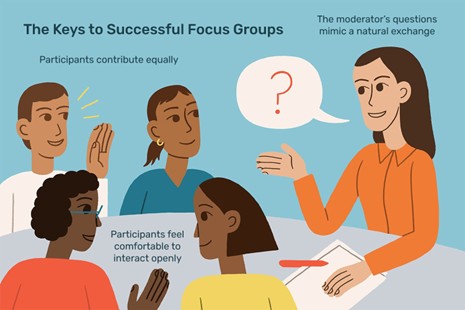
- Define the objective: Before conducting a focus group, it is important to have a clear understanding of the purpose and objective of the discussion. This will help guide the selection of participants, the questions to be asked, and the overall structure of the session.
- Select participants: Participants should be selected based on the research objectives and the target audience. A diverse group of people with different backgrounds, perspectives, and opinions is ideal, as this can lead to more meaningful discussions.
- Choose a location: The location for the focus group should be comfortable, quiet, and private. This will help ensure that participants feel relaxed and can freely express their opinions without distractions.
- Prepare questions: Develop a list of open-ended questions that will help guide the discussion. These questions should be relevant to the research objectives and designed to encourage participants to share their opinions and thoughts.
- Set the agenda: Establish an agenda for the focus group, including the timing for each question, and any additional activities or exercises that will be conducted. This will help keep the session on track and ensure that all the objectives are met.
- Facilitate the discussion: The facilitator should guide the discussion by introducing the objectives and asking questions. It is important to create an open and inclusive environment where all participants feel comfortable sharing their opinions. The facilitator should also encourage active listening and respectful disagreement among participants.
- Document the session: Take detailed notes or use audio or video recording equipment to capture the discussion. This will help ensure that the data gathered is accurate and can be used for analysis.
- Analyze the data: After the focus group is completed, the data should be analyzed to identify key themes and insights. This information can be used to inform decision-making, product design, and marketing strategies.
-
Think Out Loud
Qualitative research involves the exploration of individuals’ experiences, attitudes, beliefs, and perceptions to generate insights that can inform various fields. To get the most out of qualitative research, researchers employ various methods to collect, analyze and interpret data. One such method is the think-out-loud method. This page will explain what the think-out-loud method is and how it is used in qualitative research.
What is the think-out-loud method?
The think-out-loud method is a qualitative research method that involves asking participants to verbalize their thoughts and feelings as they engage in a particular activity or task. Essentially, participants are asked to “think aloud” as they perform the task, describing their thought processes, decisions, and feelings in real-time. The method is also known as the verbal protocol method, the concurrent verbalization method, or the stimulated recall method.
How is the think-out-loud method used in qualitative research?
The think-out-loud method is often used in various fields to collect data that would otherwise be difficult to obtain using other methods. For example, researchers in psychology may use the method to explore cognitive processes, such as decision-making or problem-solving. Market researchers may use the method to understand how consumers make purchasing decisions. Educational researchers may use the method to understand how students approach learning tasks.
To use the think-out-loud method, researchers typically begin by selecting a task or activity for the participant to complete. The task should be something that the participant can perform without excessive instruction or guidance, such as reading a paragraph or solving a simple math problem. Participants are then asked to verbalize their thoughts and feelings as they complete the task. Researchers can either record the verbalizations for later analysis or transcribe them in real-time.
Once the data has been collected, researchers can analyze the verbalizations to gain insights into the participants’ thought processes, decision-making strategies, and feelings. Analysis typically involves identifying themes, patterns, and categories that emerge from the data. Researchers may also use the data to generate hypotheses or inform the development of interventions or training programs.
Benefits and limitations of the think-out-loud method:
The think-out-loud method has several advantages over other qualitative research methods. One advantage is that it allows researchers to access participants’ thought processes and feelings in real-time, providing a more accurate and detailed picture of how participants approach a task or activity. The method is also relatively easy to administer and does not require extensive training or equipment.
However, there are also limitations to the think-out-loud method. One limitation is that it may not be suitable for all research questions or tasks. For example, if the task is too complex, participants may struggle to verbalize their thought processes, leading to incomplete or inaccurate data. The method is also time-consuming, and it may be difficult to recruit participants who are willing to engage in the verbalization process.
-
Observation
Observation is one of the most commonly used research methods in media studies. It involves collecting data by watching and recording the behavior and interactions of people in specific situations. Observations can take many forms, including participant observation, non-participant observation, and structured observation.
Participant observation is when the researcher becomes an active member of the group they are studying. For example, a researcher might join a fan club or attend a film festival to observe and participate in the group’s activities. This method allows the researcher to gain a deeper understanding of the group’s culture and behavior.
Non-participant observation, on the other hand, involves observing a group without becoming a member. This method is useful for studying groups that may not allow outsiders to join, or for situations where the researcher wants to maintain a level of objectivity.
Structured observation involves creating a specific plan for observing and recording data. For example, a researcher might create a checklist of behaviors to observe, or use a coding system to categorize behaviors.
Observation is useful for media studies because it allows researchers to study real-world behavior in a natural setting. This method is particularly effective for studying media audiences and their behaviors. For example, a researcher might observe how people interact with social media platforms or how they consume news media.
Observations can be qualitative or quantitative, depending on the research question and the data being collected. Qualitative observations involve collecting data in the form of detailed descriptions of behavior and interactions, while quantitative observations involve counting and categorizing behaviors.
In order to conduct observations effectively, researchers must carefully plan and prepare for their research. This includes choosing an appropriate method of observation, developing a research question, selecting a sample of people to observe, and designing a data collection plan.
Overall, observation is a valuable research method for media studies that allows researchers to gain a deeper understanding of media audiences and their behaviors. By carefully planning and executing their observations, researchers can collect rich and meaningful data that can inform their research and contribute to the field of media studies.
-
Six analysis methods for Qualitative Research
Qualitative interviews are a powerful tool for gathering rich and detailed information on participants’ experiences, attitudes, and beliefs. However, analyzing qualitative interview data can be complex and challenging. In this essay, we will discuss six methods of analysis for qualitative interviews, elaborate on each method, and provide examples related to media research.
- Thematic Analysis Thematic analysis is a widely used method that involves identifying patterns and themes within the data. It begins with a systematic review of the data to identify key ideas, concepts, or words, which are then organized into themes. These themes can be further refined and sub-categorized. For example, a study examining how people perceive news media bias might identify themes such as political affiliations, sensationalism, and selectivity in news coverage.
- Narrative Analysis Narrative analysis examines how participants construct their narratives and how they use language to convey their experiences. It is particularly useful in exploring personal experiences and identities. For example, a study analyzing how news media shape public perceptions of climate change might analyze the narratives of climate change skeptics to understand the role of media in shaping their beliefs.
- Discourse Analysis Discourse analysis examines the ways in which language is used to construct meaning in social interactions. It focuses on how people use language to negotiate power, identity, and social relationships. For example, a study analyzing social media posts related to the Black Lives Matter movement might use discourse analysis to explore how language is used to shape the public perception of the movement and its goals.
- Grounded Theory Grounded theory is an inductive method of analysis that involves identifying patterns and concepts within the data. It does not start with a preconceived hypothesis or research question but rather emerges from the data. For example, a study exploring how people use social media during crises might use grounded theory to develop a theory of how social media can be used to disseminate information and coordinate relief efforts.
- Content Analysis Content analysis involves systematically categorizing and coding text-based data, including media content such as news articles, TV shows, and social media posts. It can be used to explore a wide range of research questions related to media, including media representations of social issues and public opinion on media coverage. For example, a study analyzing media representations of the COVID-19 pandemic might use content analysis to identify themes such as fear-mongering, misinformation, and the impact of media coverage on public perception.
- Interpretative Phenomenological Analysis Interpretative phenomenological analysis (IPA) is a method that focuses on understanding how individuals make sense of their experiences. It involves analyzing the data in detail to identify the key themes and concepts that are important to the participants. For example, a study exploring how individuals use social media to express their political beliefs might use IPA to identify themes such as the role of social media in facilitating political activism and the impact of social media echo chambers on political discourse.
In conclusion, qualitative interview data analysis methods provide researchers with various tools to gain insights into participants’ experiences, attitudes, and beliefs. Each method offers a unique perspective on the data, and the choice of method depends on the research question, the nature of the data, and the researcher’s expertise. In media research, these methods can be applied to analyze media representations, public opinion on media coverage, and the impact of media on individuals’ beliefs and attitudes.
-
Validity
Validity is a fundamental concept in research, particularly in media studies, which involves analyzing various forms of media, such as film, television, print, and digital media. In media studies, validity refers to the extent to which a research method, data collection tool, or research finding accurately measures what it claims to measure or represents. In other words, validity measures the degree to which a research study is able to answer the research question or hypothesis it aims to address. This essay will explain the concept of validity in media studies and provide examples to illustrate its importance.
In media studies, validity can be divided into two types: internal validity and external validity. Internal validity refers to the accuracy and integrity of the research design, methodology, and data collection process. It concerns the extent to which a study can rule out alternative explanations for the findings. For example, in a study examining the effects of violent media on aggression, internal validity would be threatened if the study did not control for other variables that could explain the findings, such as prior aggression, exposure to other types of media, or social context.
External validity, on the other hand, refers to the generalizability of the findings beyond the specific research context. It concerns the extent to which the findings can be applied to other populations, settings, or conditions. For example, a study that examines the effects of social media on political participation may have high internal validity if it uses a rigorous research design, but if the study only includes a narrow sample of individuals, it may have low external validity, as the findings may not be applicable to other groups of people.
The concept of validity is essential in media studies, as it helps researchers ensure that their findings are accurate, reliable, and applicable to the real world. For instance, a study that examines the effects of advertising on consumer behavior must have high validity to make accurate conclusions about the relationship between advertising and consumer behavior. Validity is also crucial in media studies because of the potential social and cultural impact of media on individuals and society. If research findings are not valid, they may lead to incorrect or harmful conclusions that could influence media policy, regulation, and practice. To ensure the validity of research findings, media students should employ rigorous research designs and methods that control for alternative explanations and increase the generalizability of the findings. For example, they can use randomized controlled trials, longitudinal studies, or meta-analyses to minimize the effects of confounding variables and increase the precision of the findings. They can also use qualitative research methods, such as focus groups or interviews, to gather in-depth and nuanced data about media consumption and interpretation
-
Concepts and Variables
Concepts and variables are two key terms that play a significant role in media studies. While the two terms may appear similar, they serve distinct purposes and meanings. Understanding the differences between concepts and variables is essential for media studies scholars and students. In this blog post, we will explore the distinctions between concepts and variables in the context of media studies.
Concepts:
Concepts are abstract ideas that help to classify and describe phenomena. They are essential in media studies as they help in creating an understanding of the objects of study. Concepts are used to develop mental models of media objects, to analyze and critique them. For example, concepts such as “representation” and “power” are used to describe and understand how media texts work (Kellner, 2015).
Variables:
Variables, on the other hand, are used to store data in a program or research. They are crucial in media studies research as they help in collecting and analyzing data. Variables are named containers that hold a specific value, such as numerical or textual data. Variables can be manipulated and changed during the research process. For example, variables such as age, gender, and socio-economic status can be used to collect data and analyze the relationship between media and society (Morgan & Shanahan, 2010).
Differences:
One of the significant differences between concepts and variables is that concepts are abstract while variables are concrete. Concepts are used to create mental models that help to understand and analyze media objects, while variables are used to collect and analyze data in research. Another difference is that concepts are broader and at a higher level than variables. Concepts are used to describe the overall structure and design of media texts, while variables are used to study specific aspects of media objects.
In addition, concepts are often used to group together related variables in media studies research. For example, the concept of “media effects” might be used to group variables such as exposure to media, attitude change, and behavior change. By grouping related variables together, researchers can have a better understanding of the complex relationships between variables and concepts in media studies research.
Concepts and Variables are two essential components of media studies research. Concepts help to develop mental models of media objects, while variables are used to collect and analyze data in research. By understanding the differences between these two terms, media studies scholars and students can create more effective and efficient research.
-
Type I and Type II errors
Type I and Type II errors are two statistical concepts that are highly relevant to the media industry. These errors refer to the mistakes that can be made when interpreting data, which can have significant consequences for media reporting and analysis.
Type I error, also known as a false positive, occurs when a researcher or analyst concludes that there is a statistically significant result, when in fact there is no such result. This error is commonly associated with over-interpreting data, and can lead to false or misleading conclusions being presented to the public. In the media industry, Type I errors can occur when journalists or media outlets report on studies or surveys that claim to have found a significant correlation or causation between two variables, but in reality, the relationship between those variables is weak or non-existent.
For example, a study may claim that there is a strong link between watching violent TV shows and aggressive behavior in children. If the study’s findings are not thoroughly scrutinized, media outlets may report on this correlation as if it is a causal relationship, potentially leading to a public outcry or calls for increased censorship of violent media. In reality, the study may have suffered from a Type I error, and the relationship between violent TV shows and aggressive behavior in children may be much weaker than initially suggested.
Type II error, also known as a false negative, occurs when a researcher or analyst fails to identify a statistically significant result, when in fact there is one. This error is commonly associated with under-interpreting data, and can lead to important findings being overlooked or dismissed. In the media industry, Type II errors can occur when journalists or media outlets fail to report on studies or surveys that have found significant correlations or causations between variables, potentially leading to important information being missed by the public.
An example of a Type II error in the media industry could be conducting a study on the impact of a certain type of advertising on consumer behavior, but failing to detect a statistically significant effect, even though there may be a true effect present in the population.
For instance, a media company may conduct a study to determine if their online ads are more effective than their TV ads in generating sales. The study finds no significant difference in sales generated by either type of ad. However, in reality, there may be a significant difference in sales generated by the two types of ads, but the sample size of the study was too small to detect this difference. This would be an example of a Type II error, as a significant effect exists in the population, but was not detected in the sample studied.
If the media company makes decisions based on the results of this study, such as reallocating their advertising budget away from TV ads and towards online ads, they may be making a mistake due to the failure to detect the true effect. This could lead to missed opportunities for revenue and reduced effectiveness of their advertising campaigns.
In summary, a Type II error in the media industry could occur when a study fails to detect a significant effect that is present in the population, leading to potential missed opportunities and incorrect decision-making.
To avoid Type I and Type II errors in the media industry, here are some suggestions:
- Careful study design: It is important to carefully design studies or surveys in order to avoid Type I and Type II errors. This includes considering sample size, control variables, and statistical methods to be used.
- Thorough data analysis: Thoroughly analyzing data is crucial in order to identify potential errors or biases. This can include using appropriate statistical methods and tests, as well as conducting sensitivity analyses to assess the robustness of findings.
- Peer review: Having studies or reports peer-reviewed by experts in the field can help to identify potential errors or biases, and ensure that findings are accurate and reliable.
- Transparency and replicability: Being transparent about study methods, data collection, and analysis can help to minimize the risk of errors or biases. It is also important to ensure that studies can be replicated by other researchers, as this can help to validate findings and identify potential errors.
- Independent verification: Independent verification of findings can help to confirm the accuracy and validity of results. This can include having studies replicated by other researchers or having data analyzed by independent experts.
By following these suggestions, media professionals can help to minimize the risk of Type I and Type II errors in their reporting and analysis. This can help to ensure that the public is provided with accurate and reliable information, and that important decisions are made based on sound evidence
-
Transperancy
Transparency in research is a vital aspect of ensuring the validity and credibility of the findings. A transparent research process means that the research methods, data, and results are openly available to the public and can be easily replicated and verified by other researchers. In this section, we will elaborate on the different aspects that lead to transparency in research.
Research Design and Methods: Transparency in research begins with a clear and concise description of the research design and methods used. This includes stating the research question, objectives, and hypothesis, as well as the sampling techniques, data collection methods, and statistical analysis procedures. Researchers should also provide a detailed explanation of any potential limitations or biases in the study, including any sources of error.
Data Availability: One of the critical aspects of transparency in research is data availability. Providing access to the raw data used in the research allows other researchers to verify the findings and conduct further analysis on the data. Data sharing should be done in a secure and ethical manner, following relevant data protection laws and regulations. Open access to data can also facilitate transparency and accountability, promoting public trust in the research process.
Reporting of Findings: To ensure transparency, researchers should provide a clear and detailed report of their findings. This includes presenting the results in a way that is easy to understand, providing supporting evidence such as graphs, charts, and tables, and explaining any potential confounding variables or alternative explanations for the findings. A transparent reporting of findings also means acknowledging any limitations or weaknesses in the research process.
Conflicts of Interest: Transparency in research also requires that researchers disclose any conflicts of interest that may influence the research process or findings. This includes any funding sources, affiliations, or personal interests that may impact the research. Disclosing conflicts of interest maintains the credibility of the research and prevents any perception of bias.
Open Communication: Finally, researchers should engage in open and transparent communication with other researchers and the public. This includes sharing findings through open access publications and presenting findings at conferences and public events. Researchers should also be open to feedback and criticism, as this can help improve the quality of the research. Open communication also promotes accountability, transparency, and trust in the research process.
In conclusion, transparency in research is essential to ensure the validity and credibility of the findings. To achieve transparency, researchers should provide a clear description of the research design and methods, make data openly available, provide a detailed report of findings, disclose any conflicts of interest, and engage in open communication with others. Following these practices enhances the quality and impact of the research, promoting public trust in the research process.
Examples
- Research Design and Methods: Example: A study on the impact of a new teaching method on student performance clearly states the research question, objectives, and hypothesis, as well as the sampling techniques, data collection methods, and statistical analysis procedures used. The researchers also explain any potential limitations or biases in the study, such as the limited sample size or potential confounding variables.
- Data Availability: Example: A study on the effects of a new drug on a particular disease makes the raw data available to other researchers, including any code used to clean and analyze the data. The data is shared in a secure and ethical manner, following relevant data protection laws and regulations, and can be accessed through an online data repository.
- Reporting of Findings: Example: A study on the relationship between social media use and mental health provides a clear and detailed report of the findings, presenting the results in a way that is easy to understand and providing supporting evidence such as graphs and tables. The researchers also explain any potential confounding variables or alternative explanations for the findings and acknowledge any limitations or weaknesses in the research process.
- Conflicts of Interest: Example: A study on the safety of a new vaccine discloses that the research was funded by the vaccine manufacturer. The researchers acknowledge the potential for bias and take steps to ensure the validity and credibility of the findings, such as involving independent reviewers in the research process.
- Open Communication: Example: A study on the effectiveness of a new cancer treatment presents the findings at a public conference, engaging in open and transparent communication with other researchers and the public. The researchers are open to feedback and criticism, responding to questions and concerns from the audience and taking steps to address any limitations or weaknesses in the research process. The findings are also published in an open access journal, promoting transparency and accountability.
-
Tip Sheet Research Paper
You may read this TIP Sheet from start to finish before you begin your paper, or skip to the steps that are causing you the most grief.
1. Choosing a topic: Interest, information, and focus
Your job will be more pleasant, and you will be more apt to retain information if you choose a topic that holds your interest. Even if a general topic is assigned (“Write about impacts of GMO crops on world food supply”), as much as possible find an approach that suits your interests. Your topic should be one on which you can find adequate information; you might need to do some preliminary research to determine this. Go to the Reader’s Guide to Periodical Literature in the reference section of the library, or to an electronic database such as Proquest or Wilson Web, and search for your topic. The Butte College Library Reference Librarians are more than happy to assist you at this (or any) stage of your research. Scan the results to see how much information has been published. Then, narrow your topic to manageable size:Too Broad: Childhood diseases Too Broad: Eating disorders Focused: Juvenile Diabetes Focused: Anorexia Nervosa Once you have decided on a topic and determined that enough information is available, you are ready to proceed. At this point, however, if you are having difficulty finding adequate quality information, stop wasting your time; find another topic.
2. Preliminary reading & recordkeeping
Gather some index cards or a small notebook and keep them with you as you read. First read a general article on your topic, for example from an encyclopedia. On an index card or in the notebook, record the author, article and/or book title, and all publication information in the correct format (MLA or APA, for example) specified by your instructor. (If you need to know what publication information is needed for the various types of sources, see a writing guide such as SF Writer.) On the index cards or in your notebook, write down information you want to use from each identified source, including page numbers. Use quotation marks on anything you copy exactly, so you can distinguish later between exact quotes and paraphrasing. (You will still attribute information you have quoted or paraphrased.)Some students use a particular index card method throughout the process of researching and writing that allows them great flexibility in organizing and re-organizing as well as in keeping track of sources; others color-code or otherwise identify groups of facts. Use any method that works for you in later drafting your paper, but always
start with good recordkeeping.3. Organizing: Mind map or outline
Based on your preliminary reading, draw up a working mind map or outline. Include any important, interesting, or provocative points, including your own ideas about the topic. A mind map is less linear and may even include questions you want to find answers to. Use the method that works best for you. The object is simply to group ideas in logically related groups. You may revise this mind map or outline at any time; it is much easier to reorganize a paper by crossing out or adding sections to a mind map or outline than it is to laboriously start over with the writing itself.4. Formulating a thesis: Focus and craftsmanship
Write a well defined, focused, three- to five-point thesis statement, but be prepared to revise it later if necessary. Take your time crafting this statement into one or two sentences, for it will control the direction and development of your entire paper.For more on developing thesis statements, see the TIP Sheets “Developing a Thesis and Supporting Arguments” and “How to Structure an Essay.”
5. Researching: Facts and examples
Now begin your heavy-duty research. Try the internet, electronic databases, reference books, newspaper articles, and books for a balance of sources. For each source, write down on an index card (or on a separate page of your notebook) the publication information you will need for your works cited (MLA) or bibliography (APA) page. Write important points, details, and examples, always distinguishing between direct quotes and paraphrasing. As you read, remember that an expert opinion is more valid than a general opinion, and for some topics (in science and history, for example), more recent research may be more valuable than older research. Avoid relying too heavily on internet sources, which vary widely in quality and authority and sometimes even disappear before you can complete your paper.Never copy-and-paste from internet sources directly into any actual draft of your paper. For more information on plagiarism, obtain from the Butte College Student Services office a copy of the college’s policy on plagiarism, or attend the Critical Skills Plagiarism Workshop given each semester.
6. Rethinking: Matching mind map and thesis
After you have read deeply and gathered plenty of information, expand or revise your working mind map or outline by adding information, explanations, and examples. Aim for balance in developing each of your main points (they should be spelled out in your thesis statement). Return to the library for additional information if it is needed to evenly develop these points, or revise your thesis statement to better reflect what you have learned or the direction your paper seems to have taken.7. Drafting: Beginning in the middle
Write the body of the paper, starting with the thesis statement and omitting for now the introduction (unless you already know exactly how to begin, but few writers do). Use supporting detail to logically and systematically validate your thesis statement. For now, omit the conclusion also.For more on systematically developing a thesis statement, see TIP sheets “Developing a Thesis and Supporting Arguments” and “How to Structure an Essay.”
8. Revising: Organization and attribution
Read, revise, and make sure that your ideas are clearly organized and that they support your thesis statement. Every single paragraph should have a single topic that is derived from the thesis statement. If any paragraph does not, take it out, or revise your thesis if you think it is warranted. Check that you have quoted and paraphrased accurately, and that you have acknowledged your sources even for your paraphrasing. Every single idea that did not come to you as a personal epiphany or as a result of your own methodical reasoning should be attributed to its owner.For more on writing papers that stay on-topic, see the TIP Sheets “Developing a Thesis and Supporting Arguments” and “How to Structure an Essay.” For more on avoiding plagiarism, see the Butte College Student Services brochure, “Academic Honesty at Butte College,” or attend the Critical Skills Plagiarism Workshop given each semester.
9. Writing: Intro, conclusion, and citations
Write the final draft. Add a one-paragraph introduction and a one-paragraph conclusion. Usually the thesis statement appears as the last sentence or two of the first, introductory paragraph. Make sure all citations appear in the correct format for the style (MLA, APA) you are using. The conclusion should not simply restate your thesis, but should refer to it. (For more on writing conclusions, see the TIP Sheet “How to Structure an Essay.”) Add a Works Cited (for MLA) or Bibliography (for APA) page.10. Proofreading: Time and objectivity
Time permitting, allow a few days to elapse between the time you finish writing your last draft and the time you begin to make final corrections. This “time out” will make you more perceptive, more objective, and more critical. On your final read, check for grammar, punctuation, correct word choice, adequate and smooth transitions, sentence structure, and sentence variety. For further proofreading strategies, see the TIP Sheet “Revising, Editing, and Proofreading.” -
Sampling Error
Sampling error is a statistical concept that occurs when a sample of a population is used to make inferences about the entire population, but the sample doesn’t accurately represent the population. This can happen due to a variety of reasons, such as the sample size being too small or the sampling method being biased. In this essay, I will explain sampling error to media students, provide examples, and discuss the effects it can have.
When conducting research in media studies, it’s essential to have a sample that accurately represents the population being studied. For example, if a media student is researching the viewing habits of teenagers in the United States, it’s important to ensure that the sample of teenagers used in the study is diverse enough to represent the larger population of all teenagers in the United States. If the sample isn’t representative of the population, the results of the study can be misleading, and the conclusions drawn from the study may not be accurate.
One of the most common types of sampling error is called selection bias. This occurs when the sample used in a study is not randomly selected from the population being studied, but instead is selected in a way that skews the results. For example, if a media student is conducting a study on the viewing habits of teenagers in the United States, but the sample is taken only from affluent suburbs, the results of the study may not be representative of all teenagers in the United States.
Another type of sampling error is called measurement bias. This occurs when the measurements used in the study are not accurate or precise enough to provide an accurate representation of the population being studied. For example, if a media student is conducting a study on the amount of time teenagers spend watching television, but the measurement tool used only asks about prime time viewing habits, the results of the study may not accurately represent the total amount of time teenagers spend watching television.
Sampling error can have a significant effect on the conclusions drawn from a study. If the sample used in a study is not representative of the population being studied, the results of the study may not accurately reflect the true state of the population. This can lead to incorrect conclusions being drawn from the study, which can have negative consequences. For example, if a media student conducts a study on the viewing habits of teenagers in the United States and concludes that they watch more reality TV shows than any other type of programming, but the sample used in the study was biased toward a particular demographic, such as affluent suburban teenagers, the conclusions drawn from the study may not accurately reflect the true viewing habits of all teenagers in the United States. Sampling error is a significant issue in media studies and can have a profound effect on the conclusions drawn from a study. Media students need to ensure that the samples used in their research are representative of the populations being studied and that the measurements used in their research are accurate and precise. By doing so, media students can ensure that their research accurately reflects the state of the populations being studied and that the conclusions drawn from their research are valid.
-
Replicabilty
Replicability is a key aspect of scientific research that ensures the validity and reliability of results. In media studies, replicability is particularly important because of the subjective nature of many of the topics studied. This essay will discuss the importance of replicability in research for media students and provide examples of studies that have successfully achieved replicability.
Replicability is the ability to reproduce the results of a study by using the same methods and procedures as the original study. It is an important aspect of scientific research because it ensures that the findings of a study are reliable and can be used to make informed decisions. Replicability also allows researchers to test the validity of their findings and helps to establish a foundation of knowledge that can be built upon by future research.
In media studies, replicability is particularly important because of the subjective nature of the topics studied. Media studies often focus on the interpretation of media content by audiences and the effects of media on society. These topics can be difficult to study because they are influenced by a variety of factors, including culture, personal beliefs, and individual experiences. Replicability ensures that studies in media studies are conducted in a systematic and controlled manner, which reduces the impact of these factors on the results.
One example of a study that successfully achieved replicability in media studies is the cultivation theory developed by George Gerbner. Cultivation theory proposes that television viewers’ perceptions of reality are shaped by the amount and nature of the content they are exposed to on television. In a series of studies conducted over several decades, Gerbner and his colleagues found that heavy television viewers are more likely to overestimate the amount of crime and violence in society and have a more fearful view of the world. These findings have been replicated in numerous studies, which has helped to establish the cultivation theory as a robust and reliable explanation of the effects of television on viewers.
Another example of a study that achieved replicability in media studies is the uses and gratifications theory developed by Elihu Katz and Jay Blumler. The uses and gratifications theory proposes that audiences actively choose and use media to fulfill specific needs, such as information, entertainment, or social interaction. In a series of studies conducted over several decades, Katz and his colleagues found that audiences’ media use is influenced by a variety of factors, including individual needs, social and cultural norms, and media characteristics. These findings have been replicated in numerous studies, which has helped to establish the uses and gratifications theory as a robust and reliable explanation of audience behavior.
Replicability is a critical aspect of scientific research that ensures the validity and reliability of results. In media studies, replicability is particularly important because of the subjective nature of many of the topics studied. Successful examples of replicability in media studies include the cultivation theory and the uses and gratifications theory, which have been replicated in numerous studies and have become robust and reliable explanations of media effects and audience behavior. By striving for replicability, media students can help to establish a foundation of knowledge that can be built upon by future research and contribute to a deeper understanding of the role of media in society.
-
APA Style
APA 7 style is a comprehensive formatting and citation system widely used in academic and professional writing. This essay will cover key aspects of APA 7, including in-text referencing, reference list formatting, and reporting statistical results, tables, and figures.
In-Text Referencing
In-text citations in APA 7 style provide brief information about the source directly in the text. The basic format includes the author’s last name and the year of publication. For example:
- One author: (Smith, 2020)
- Two authors: (Smith & Jones, 2020)
- Three or more authors: (Smith et al., 2020)
When quoting directly, include the page number: (Smith, 2020, p. 25).
Reference List
The reference list appears at the end of the paper on a new page. Key formatting rules include:
- Double-space all entries
- Use a hanging indent for each entry
- Alphabetize entries by the first author’s last name
Example reference list entry for a journal article:
Smith, J. D., & Jones, A. B. (2020). Title of the article. Journal Name, 34, 123-145. https://doi.org/10.1234/example
Reporting Statistical Results
When reporting statistical results in APA 7 style:
- Use italics for statistical symbols (e.g., M, SD, t, F, p)
- Report exact p values to two or three decimal places
- Use APA-approved abbreviations for statistical terms
Example: The results were statistically significant (t(34) = 2.45, p = .019).
Tables and Figures
Tables and figures in APA 7 style should be:
- Numbered consecutively (Table 1, Table 2, Figure 1, Figure 2, etc.)
- Referenced in the text
- Placed after the reference list
Table example:
Variable Group A Group B Mean 25.3 28.7 SD 4.2 3.9 Table 1. Comparison of means between Group A and Group B.
For figures, include a clear and concise caption below the figure.
-
Plagiarism
Even though most student plagiarism is probably unintentional, it is in students’ best interests to become aware that failing to give credit where it is due can have serious consequences. For example, at Butte College, a student caught in even one act of academic dishonesty may face one or more of the following actions by his instructor or the college:
- Receive a failing grade on the assignment
- Receive a failing grade in the course
- Receive a formal reprimand
- Be suspended
- Be expelled
My paraphrasing is plagiarized?
Of course, phrases used unchanged from the source should appear in quotation marks with a citation. But even paraphrasing must be attributed to the source whence it came, since it represents the ideas and conclusions of another person. Furthermore, your paraphrasing should address not only the words but the form, or structure, of the statement. The example that follows rewords (uses synonyms) but does not restructure the original statement:Original:
To study the challenge of increasing the food supply, reducing pollution, and encouraging economic growth, geographers must ask where and why a region’s population is distributed as it is. Therefore, our study of human geography begins with a study of population (Rubenstein 37).Inadequately paraphrased (word substitution only) and uncited:
To increase food supplies, ensure cleaner air and water, and promote a strong economy, researchers must understand where in a region people choose to live and why. So human geography researchers start by studying populations.This writer reworded a two-sentence quote. That makes it his, right? Wrong. Word substitution does not make a sentence, much less an idea, yours. Even if it were attributed to the author, this rewording is not enough; paraphrasing requires that you change the sentence structure as well as the words. Either quote the passage directly, or
substantially change the original by incorporating the idea the sentences represent into your own claim:Adequately, substantially paraphrased and cited:
As Rubenstein points out, distribution studies like the ones mentioned above are at the heart of human geography; they are an essential first step in planning and controlling development (37).Perhaps the best way to avoid the error of inadequate paraphrasing is to know clearly what your own thesis is. Then, before using any source, ask yourself, “Does this idea support my thesis? How?” This, after all, is the only reason to use any material in your paper. If your thesis is unclear in your own mind, you are more likely to lean too heavily on the statements and ideas of others. However, the ideas you find in your sources may not replace your own well thought-out thesis.
Copy & paste is plagiarism?
Copy & paste plagiarism occurs when a student selects and copies material from Internet sources and then pastes it directly into a draft paper without proper attribution. Copy & paste plagiarism may be partly a result of middle school and high school instruction that is unclear or lax about plagiarism issues. In technology-rich U.S. classrooms, students are routinely taught how to copy & paste their research from Internet sources into word processing documents. Unfortunately, instruction and follow-up in how to properly attribute this borrowed material tends to be sparse. The fact is, pictures and text (like music files) posted on the Internet are the intellectual property of their creators. If the authors make their material available for your use, you must give them credit for creating it. If you do not, you are stealing.How will my instructor know?
If you imagine your instructor will not know that you have plagiarized, imagine it at your own risk. Some schools subscribe to anti-plagiarism sites that compare submitted papers to vast online databases very quickly and return search results listing “hits” on phrases found to be unoriginal. Some instructors use other methods of searching online for suspicious phrases in order to locate source material for work they suspect may be plagiarized.College instructors read hundreds of pages of published works every year. They know what is being written about their subject areas. At the same time, they read hundreds of pages of student-written papers. They know what student writing looks like. Writers, student or otherwise, do not usually stray far from their typical vocabulary and sentence structure, so if an instructor finds a phrase in your paper that does not “read” like the rest of the paper, he or she may become suspicious.
Why cite?
If you need reasons to cite beyond the mere avoidance of disciplinary consequences, consider the following:- Citing is honest. It is the right thing to do.
- Citing allows a reader interested in your topic to follow up by accessing your sources and reading more. (Hey, it could happen!)
- Citing shows off your research expertise-how deeply you read, how long you spent in the library stacks, how many different kinds of sources (books, journals, databases, and websites) you waded through.
How can I avoid plagiarism?
From the earliest stages of research, cultivate work habits that make accidental or lazy plagiarism less likely:- Be ready to take notes while you research. Distinguish between direct quotes and your own summaries. For example, use quotation marks or a different color pen for direct quotes, so you don’t have to guess later whether the words were yours or another author’s. For every source you read, note the author, title, and publication information before you start taking notes. This way you will not be tempted to gloss over a citation just because it is difficult to retrace your steps.
- If you are reading an online source, write down the complete Internet address of the page you are reading right away (before you lose the page) so that you can go back later for bibliographic information. Look at the address carefully; you may have followed links off the website you originally accessed and be on an entirely different site. Many online documents posted on websites (rather than in online journals, for example) are not clearly attributed to an author in a byline. However, even if a website does not name the author in a conspicuous place, it may do so elsewhere–at the very bottom/end of the document, for example, or in another place on the website. Try clicking About Us to find the author. (At any rate, you should look in About Us for information about the site’s sponsor, which you need to include in Works Cited. The site sponsor may be the only author you find; you will cite it as an “institutional” author.) Even an anonymous Web source needs attribution to the website sponsor.
Of course, instead of writing the above notes longhand you could copy & paste into a “Notes” document for later use; just make sure you copy & paste the address and attribution information, too, and not directly into your research paper - Try searching online for excerpts of your own writing. Search using quotation marks around some of your key sentences or phrases; the search engine will search for the exact phrase rather than all the individual words in the phrase. If you get “hits” suggesting plagiarism, even unintentional plagiarism, follow the links to the source material so that you can properly attribute these words or ideas to their authors.
- Early in the semester, ask your instructors to discuss plagiarism and their policies regarding student plagiarism. Some instructors will allow rewrites after a first offense, for example, though many will not. And most instructors will report even a first offense to the appropriate dean.
- Be aware of the boundary between your own ideas and the ideas of other people. Do your own thinking. Make your own connections. Reach your own conclusions. There really is no substitute for this process. No one else but you can bring your particular background and experience to bear on a topic, and your paper should reflect that.
Works Cited
Rubenstein, James M. The Cultural Landscape: An Introduction to Human Geography. Upper Saddle River, NJ: Pearson Education. 2003. -
Inductive versus Deductive
As a media student, you are likely to come across two primary research methods: inductive and deductive research. Both approaches are important in the field of media research and have their own unique advantages and disadvantages. In this essay, we will explore these two methods of research, along with some examples to help you understand the differences between the two.
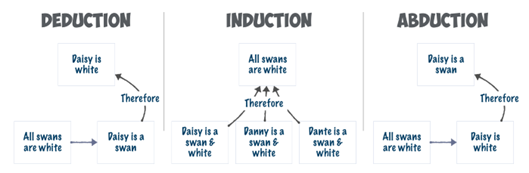
Inductive research is a type of research that involves starting with specific observations or data and then moving to broader generalizations and theories (Theories, Models and Concepts) It is a bottom-up approach to research that focuses on identifying patterns and themes in the data to draw conclusions. Inductive research is useful when the research problem is new, and there is no existing theoretical framework to guide the study. This method is commonly used in qualitative research methods like ethnography, case studies, and grounded theory.
An example of inductive research in media studies would be a study of how social media has changed the way people interact with news. The researcher would start by collecting data from social media platforms and observing how people engage with news content. From this data, the researcher could identify patterns and themes, such as the rise of fake news or the tendency for people to rely on social media as their primary news source. Based on these observations, the researcher could then develop a theory about how social media has transformed the way people consume and interact with news.
On the other hand, deductive research involves starting with a theory or hypothesis (Developing a Hypothesis: A Guide for Researchers) and then testing it through observations and data. It is a top-down approach to research that begins with a general theory and seeks to prove or disprove it through empirical evidence. Deductive research is useful when there is an existing theory or hypothesis to guide the study. This method is commonly used in quantitative research methods like surveys and experiments.
An example of deductive research in media studies would be a study of the impact of violent media on aggression. The researcher would start with a theory that exposure to violent media leads to an increase in aggressive behavior. The researcher would then test this theory through observations, such as measuring the aggression of participants who have been exposed to violent media versus those who have not. Based on the results of the study, the researcher could either confirm or reject the theory.
Both inductive and deductive research are important in the field of media studies. Inductive research is useful when there is no existing theoretical framework, and the research problem is new. Deductive research is useful when there is an existing theory or hypothesis to guide the study. By understanding the differences between these two methods of research and their applications, you can choose the most appropriate research method for your media research project.
-
How to use citations in your research
- In-text citations: In-text citations are used to give credit to the original author(s) of a source within the body of your writing. In media studies, in-text citations may include the name of the author, the title of the article or book, and the date of publication. For example:
According to Jenkins (2006), “convergence culture represents a shift in the relations between media and culture, as consumers take control of the flow of media” (p. 2).
In her book The Presentation of Self in Everyday Life, Goffman (1959) discusses the ways in which individuals present themselves to others in social interactions.
- Direct quotations: Direct quotations are used to include the exact words from a source within your writing, usually to provide evidence or support for a particular argument or idea. In media studies, direct quotations may be enclosed in quotation marks and followed by an in-text citation that includes the author’s last name and the date of publication. For example:
As Jenkins (2006) argues, “convergence represents a cultural shift as consumers are encouraged to seek out new information and make connections among dispersed media content” (p. 3).
In their article “The Future of Media Literacy in a Digital Age,” Hobbs and Jensen (2009) assert that “media literacy education must evolve to keep pace with changing technologies and new media practices” (p. 22).
- Paraphrasing: Paraphrasing involves restating information from a source in your own words, while still giving credit to the original author(s). In media studies, paraphrased information should be followed by an in-text citation that includes the author’s last name and the date of publication. For example:
Jenkins (2006) argues that convergence culture is characterized by a shift in power from media producers to consumers, as individuals take an active role in creating and sharing content.
According to Hobbs and Jensen (2009), media literacy education needs to adapt to keep up with changing media practices and new technologies.
- Secondary sources: In some cases, you may want to cite a source that you have not read directly, but have found through another source. In media studies, you should always try to locate and cite the original source, but if this is not possible, you can use the phrase “as cited in” before the secondary source. For example:
In her analysis of gender and media representation, Smith (2007) argues that women are often portrayed in stereotypical and limiting roles (as cited in Jones, 2010).
When writing in media studies, there are different citation methods you can use to give credit to the original author(s) and provide evidence to support your arguments. In-text citations, direct quotations, paraphrasing, and secondary sources can all be effective ways to incorporate citations into your writing. Remember to use citations appropriately and sparingly, and always consult the specific citation guidelines for your chosen citation style.
-
Examples of Measurement Tools
ANOVA Bi-variate Broadcast Central Tendency Chi Square test Concepts Correlation cross sectional dependent t-test Dispersion Distributions Example Literature Review Marketing Mean Media Median Media Research Mode Models Podcast Qualitative Quantitative Reliable Replicability Reporting Research Areas Research Design Research General Research Methods Sampling Scales SPSS Standard Deviation Statistics Streaming Study design t-test Television Testing Thematic Analysis Theory Topics Variables Video
In media studies, it is important to choose the appropriate measurement tools to gather data on attitudes, perceptions, brain activity, and arousal. Here are some potential measurement tools that can be used to gather data in each of these areas:
- Attitude:
- Likert scales: This is a commonly used tool to measure attitudes. Participants are presented with a statement and asked to rate how much they agree or disagree with the statement on a scale.
- Semantic differential scales: These scales ask participants to rate an object or concept using bipolar adjectives, such as “good-bad,” “happy-sad,” or “friendly-hostile.” The ratings can be used to determine participants’ attitudes toward the object or concept.
- Implicit Association Test (IAT): This test measures the strength of automatic associations between mental representations of objects in memory. IAT has been widely used to assess implicit attitudes that are hard to capture with explicit self-report measures.
- Perception:
- Eye tracking: This measurement tool tracks the movement of participants’ eyes as they view media content. Eye tracking can provide data on where participants are looking, how long they are looking, and how quickly they are moving their eyes. This can be used to gather data on how participants perceive media content.
- Psychophysics: Psychophysics can be used to measure perceptual thresholds and sensitivity to stimuli. For example, researchers can use psychophysical measurements to determine the minimum amount of stimulation necessary to detect a change in media content.
- Reaction time: Reaction time can be used to measure how quickly participants respond to stimuli, such as images or sounds. Reaction time can be used to gather data on how participants perceive and react to media content.
- Brain activity:

- Electroencephalography (EEG): This is a non-invasive measurement tool that records the electrical activity of the brain. EEG can provide data on how the brain responds to media content and can be used to identify specific brain activity associated with certain perceptions or attitudes.
- Functional Magnetic Resonance Imaging (fMRI): This is an imaging technique that measures changes in blood flow in the brain in response to specific stimuli. fMRI can provide data on how different regions of the brain respond to media content and can be used to identify the neural correlates of perceptions and attitudes.
- Near-infrared spectroscopy (NIRS): This is a non-invasive measurement tool that measures changes in blood flow in the brain similar to fMRI, but uses near-infrared light rather than magnets. NIRS can provide data on the neural activity associated with perceptions and attitudes.
- Arousal:

- Skin conductance response (SCR): This is a measurement tool that measures changes in the electrical conductance of the skin in response to emotional stimuli. SCR can be used to gather data on the arousal levels of participants in response to media content.
- Heart rate variability (HRV): This measurement tool measures the variation in time between heartbeats. HRV can be used to gather data on participants’ arousal levels and emotional state in response to media content.
- Galvanic skin response (GSR): This is a measurement tool that measures changes in the electrical conductance of the skin in response to emotional stimuli, similar to SCR. GSR can be used to gather data on participants’ arousal levels in response to media content.
In conclusion, there are a variety of potential measurement tools that can be used in media studies experiments to gather data on attitudes, perceptions, brain activity, and arousal. The choice of measurement tool will depend on the specific research question and the variables being studied. Researchers should carefully consider the strengths and limitations of each measurement tool and choose the most appropriate tool for their study.

Geef een reactie
Je moet ingelogd zijn op om een reactie te plaatsen.